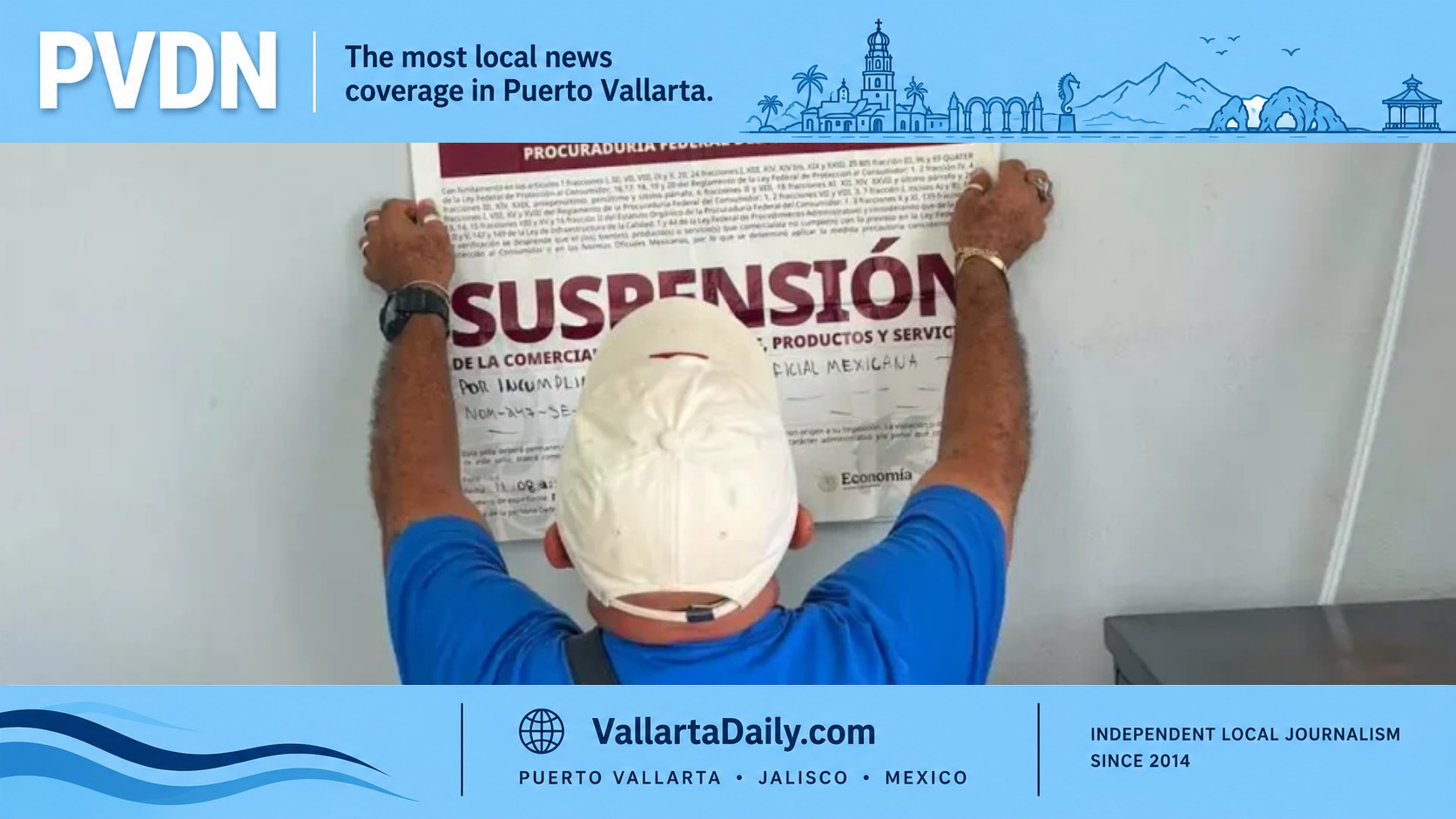
A worker died after a high fall on Avenida Mexico in Puerto Vallarta, putting fresh attention on job safety rules and local construction oversight.
A construction shift on Avenida Mexico ended in tragedy on Friday afternoon, when a worker fell from the upper floors of a high-rise under construction and died at the scene in Puerto Vallarta.
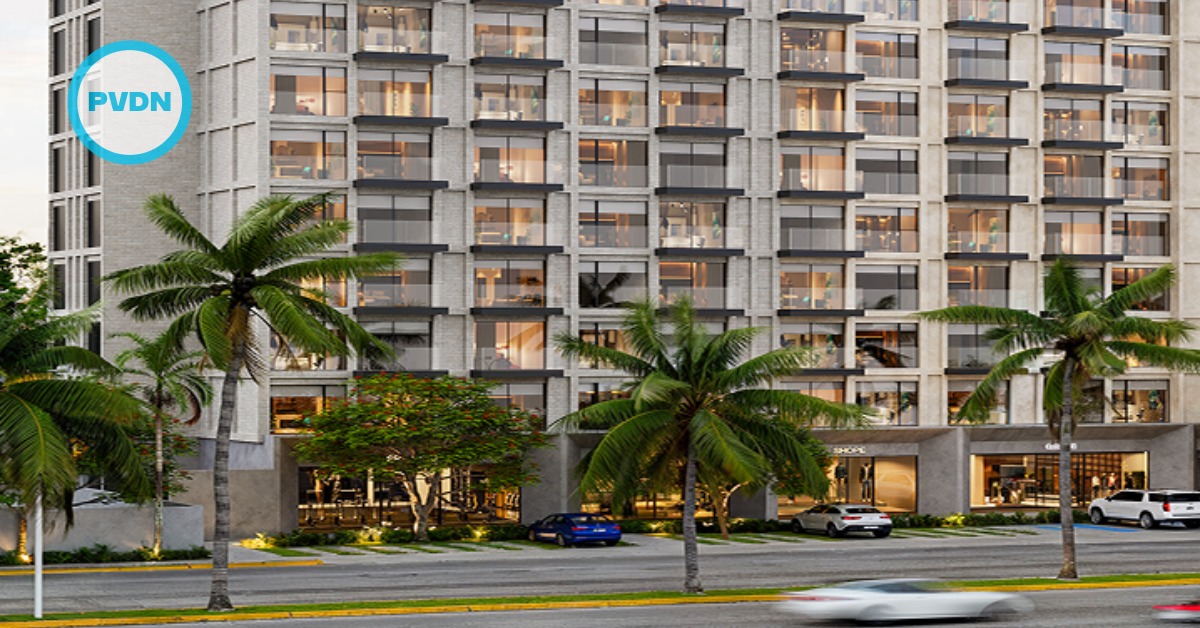
The accident occurred at The Lighthouse condo building under construction on Avenida Mexico, between María Montessori and Prisciliano Sánchez streets, next to the Universidad de Veracruz campus. Coworkers raised the alarm and called the emergency number after seeing their colleague plunge inside the structure.
Municipal police officers and crews from Civil Protection and Firefighters entered the site and found the man lying on a slab inside the building, with severe injuries from the fall. Paramedics confirmed that he had no vital signs. Authorities have not yet released his identity or age.
The area around the worksite was quickly cordoned off while investigators from the state prosecutor’s office and the Jalisco Forensic Institute carried out their standard procedures. Traffic on Avenida Mexico slowed as drivers passed by the rows of patrol cars and rescue trucks outside the fenced-in project.
Avenida Mexico construction death exposes safety gaps
Civil Protection inspectors have opened a file to review what safety measures were in place on the site and whether the crew was working under the protections required for jobs at height. That includes basic questions that any construction worker in Mexico knows too well: were there guardrails at the edges, safety lines anchored to solid points, and trained spotters watching the work?
Mexico’s safety rules for working at height are not new. The Federal Labor Law and an official standard on jobs in altitude require companies to assess risks, train their crews and provide protective gear such as harnesses and lifelines when people work more than a meter and a half above the ground. Those rules also call for collective protections like railings and safety nets whenever possible, before relying only on individual gear.
Yet deaths from falls keep happening. Federal labor statistics show that falls make up more than a quarter of all workplace accidents nationwide, and the construction sector is one of the main sources of these cases. Data from the social security system indicate that in 2024 alone there were more than 22,000 work accidents in construction across the country, with dozens of workers losing their lives and hundreds more left with permanent injuries.
Local watchdogs have also warned that Mexico’s building boom has a human cost. A recent review of fatal accidents in one major metro area in Jalisco found that many deaths occurred on high-rise residential projects similar to those now reshaping the skyline of tourist cities. Behind each case is a worker whose day began with a simple goal to earn a wage and ended in a fall that no one on site could reverse.
On Avenida Mexico, investigators will now have to determine whether the crew followed the law or whether there were gaps in training, supervision or equipment. That process can take months. For the coworkers who watched the fall and the family that will receive the body, the consequences were immediate.
Vertical growth, human risk
The site where the worker died sits in a corridor of Puerto Vallarta that has changed rapidly in recent years. Long known mainly as a traffic route linking neighborhoods and schools, Avenida Mexico has filled in with shopping centers, campuses and now tall residential and mixed-use towers.
City officials have said that, in just the first months of the current municipal administration, at least 15 new condominium buildings have been authorized in different parts of the city as part of a push toward vertical growth. Supporters argue that this kind of development uses land more efficiently and responds to demand from investors and buyers. For workers, each new tower is also another high-risk job where a mistake, a missing board or a loose anchor point can mean a fatal drop.
National data point in the same direction. Studies based on social security records show that, across Mexico, a work accident happens roughly every minute and a construction worker dies from job-related injuries roughly every few hours. Many of those deaths are from falls at building sites.
Mexico has tried to respond by tightening rules and offering new tools to report abuses. In recent years the Labor Ministry has promoted its standard on work at heights and has rolled out digital platforms that let workers file anonymous complaints about unsafe conditions or missing safety gear. Labor inspectors are supposed to carry out visits and order immediate corrections when they see workers exposed to a serious and imminent risk.
Even with those tools, enforcement often falls short, especially in medium-sized cities where construction is booming but inspection teams are small. Workers may hesitate to report unsafe conditions if they fear losing their jobs. Subcontracting can blur the lines of responsibility between the company that owns the project, the main contractor, and the small crews actually pouring concrete and tying rebar on the upper floors.
The Avenida Mexico construction death highlights that tension clearly. On paper, the rules are strict: companies must design safe work plans, inspect their gear and stop activity when there is a risk of falling. On the ground, a man walked onto a slab several stories above the street and never made it home.
For Puerto Vallarta, a city that prides itself on growth and modern towers, the incident is a reminder that progress is measured not only in new square meters of construction, but also in whether the people who build them finish their day alive and unhurt. The investigation into this fall will show if the rules on paper were followed or ignored. The bigger question is whether the city and its builders are ready to treat worker safety as non-negotiable every time a new tower rises along Avenida Mexico.