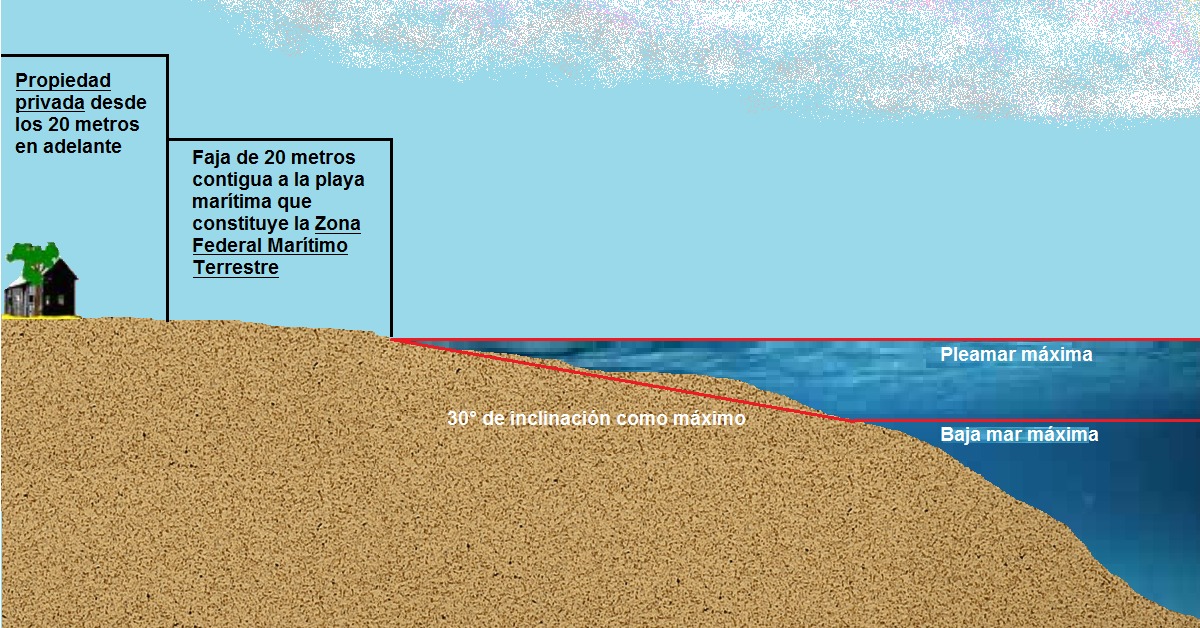
Mexico names beaches as goods of the Nation. The twenty-meter strip of firm land next to the sea—ZOFEMAT—is a public space under federal control. Access and transit to both cannot be blocked, restricted, or conditioned. That language entered the law in 2020, and it matters at every gate.
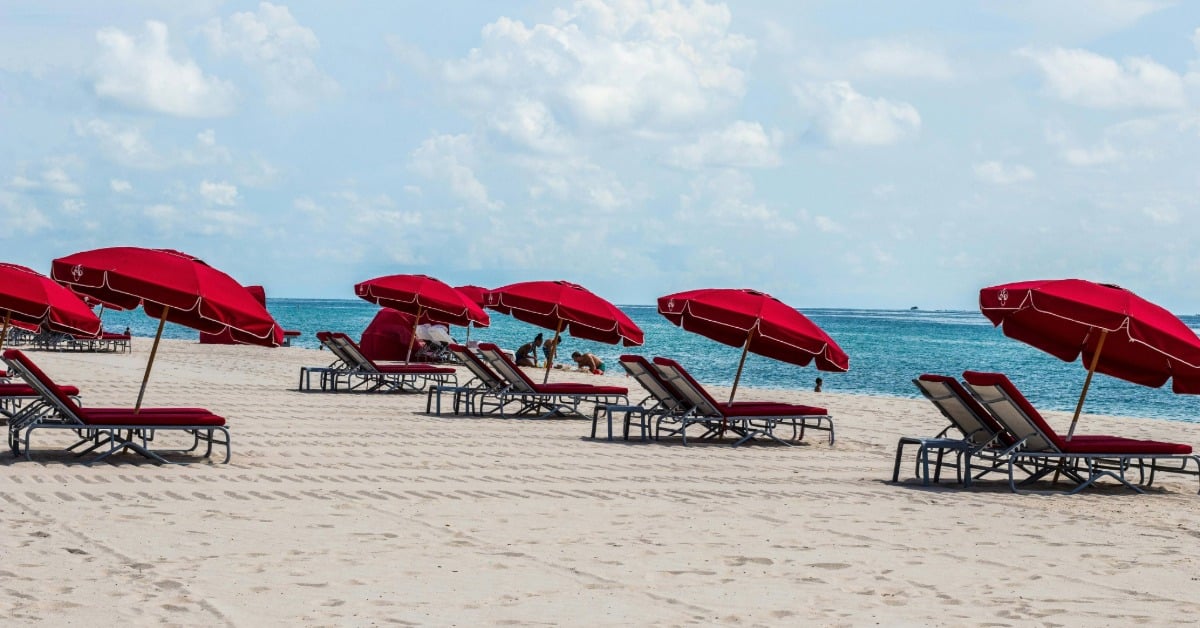
Rows of camastros do not erase that rule. Furniture sits by permission, not ownership. Businesses may use the strip only with a concession or permit. A concession authorizes a use and a footprint. It does not create a private beach.
You feel the difference at high tide. Towels and feet can cross the strip without paying. Staff can rent you a chair if you want one. They cannot charge you to touch the sand.
Puerto Vallarta’s version of the same fight
Here, the friction is visible where the city meets the bay. It shows up north of the pier when clubs line up in tight formation. You find it on Playa Camarones when the corridor narrows on busy days. It shows up near Playa de Oro, where hotel rows face a popular public entry. The scene repeats because visitors see chairs and assume ownership. The law says the opposite, and it applies in Vallarta as much as in Cancún or Los Cabos.
When it works, it is quiet. Chairs stop short of the waterline. Paths to the sea stay open. When it fails, a cellphone video travels faster than any municipal memo. Federal inspectors run seasonal operations across all coastal states to keep transit open and to halt illegal works in ZOFEMAT. Puerto Vallarta sits inside that net. Complaints in other beach cities have already triggered on-site checks. The pattern is clear.
What the law actually says
The General Law of National Goods is the backbone. It defines beaches as national goods and ZOFEMAT as the twenty-meter, walkable strip that borders them. It bars any act that inhibits, restricts, obstructs, or conditions access and transit. This is not guidance. It is enforceable law.
Sanctions carry weight because they are tied to the UMA. Blocking access can bring fines of three to twelve thousand UMAs. The UMA updates each year. In 2025 the daily value is 113.14 pesos. That pushes maximum fines well into seven figures. The point is deterrence, not headlines.
Enforcement sits with PROFEPA. The agency inspects during peak seasons and acts on reports all year. When people file clear complaints—photos, location, dates—inspectors show up. Recent cases in Baja California Sur illustrate the cycle. Public pressure opens gates. Fences come down. The law backs that outcome.
How concessions work in practice
Concessions live on paper. They identify a holder, a shoreline length, a term, and a purpose. Concessions are conditional. They are revocable. They do not convert public space into private property. You can verify them. SEMARNAT publishes concession titles, extensions, and modifications under its “transparencia focalizada.” The lookup settles arguments faster than any viral clip.
If a manager says “we have a permit,” ask to see the scope. A concession for furniture is not a license to fence off the shore. It is permission to place objects inside a defined area while respecting access and transit. That line applies in Bahía de Banderas, the Riviera Maya, and the Cape beaches the same way it applies on Los Muertos.
If you are blocked
Stay factual. Ask for the concession and the clause that authorizes blocking passage. Photograph the gate, the sign, and a map pin—file with PROFEPA. Use the hotline 800-PROFEPA or the published email. Clear details move a case from “someday” to “soon.” You are not making trouble. You are enforcing the public nature of the shore.
Inspections do not always land the same day. They occur more often when multiple reports describe the same spot in the same way. Holiday operations expand coverage, but weekday checks matter too. The more precise the complaint, the shorter the life of a blockade.
Why this matters beyond Puerto Vallarta
Travelers flying to Cancún, Playa del Carmen, or Tulum face the same rules and the same temptations to ignore them. So do tourists in Los Cabos, La Paz, Mazatlán, and Sayulita. As well as people on Oaxaca’s coast in Puerto Escondido and Huatulco. The mix changes—some towns depend on private entries, others mark corridors well—but the core remains. The beach is a national space. ZOFEMAT is public. Concessions add comfort. They do not cancel the right to pass or use the beach.
Destinations that make access visible win trust. They also avoid the slow reputational leak that follows every viral video of a blocked path. Vallarta benefits from that visibility. So do the big names and the hidden bays. The line between chair and shore is where a place decides who it is.