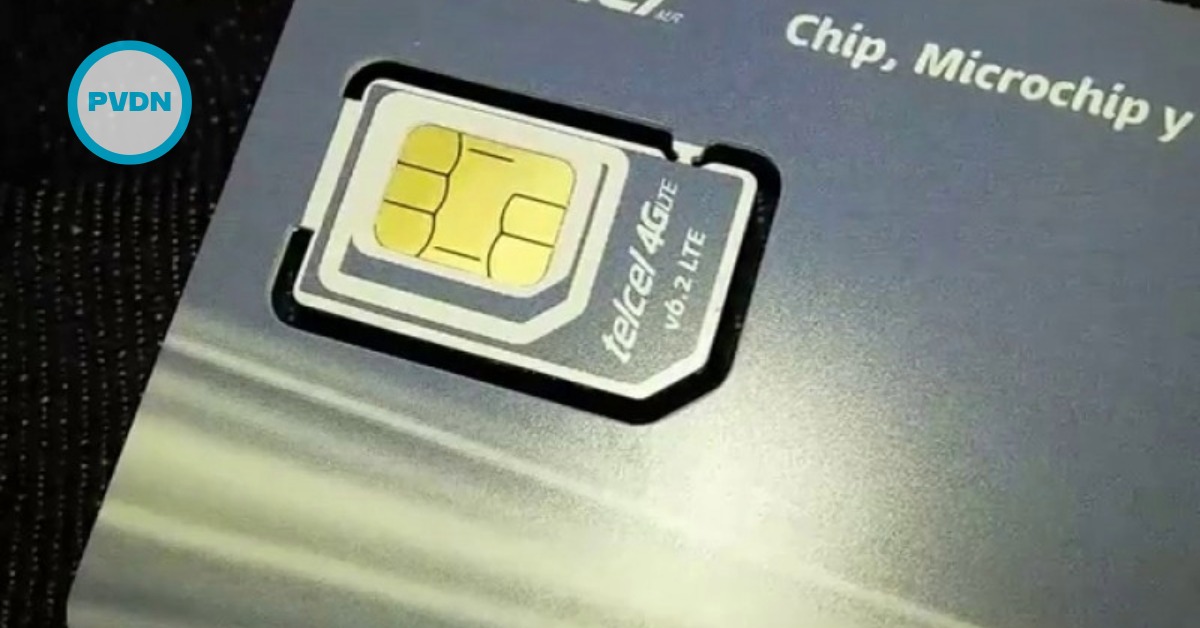
Just days after Mexico enacted a new rule requiring all mobile numbers to be linked to an official ID, an illicit workaround has popped up on social media. On Facebook Marketplace and other platforms, sellers are advertising SIM cards they claim are “pre-registered” and ready for immediate use, letting buyers skip the mandated registration process. The authorities have taken notice, flagging these online listings to the cyber police. How will the government enforce the new law – and how far will people go to avoid compliance?
New Law Sparks a SIM Card Black Market
A sweeping new telecom rule took effect in Mexico on January 9, 2026, requiring every cellphone line to be registered to its owner’s official ID. Each new SIM card must be activated with ID at purchase, and existing lines must be registered by June 30, 2026, or face service suspension. The measure aims to end the use of anonymous “burner” phones, often used in crimes such as extortion. But barely a week into the policy, a black market for already-registered SIM cards has sprung to life on social media.
On Facebook Marketplace, at least a dozen listings began offering SIM “chips” said to be “ya registrados” (already registered) and “listos para usarse” (ready to use). One seller’s post blared, “No te quedes sin línea” – “Don’t be left without a line” – referencing the new mandatory registration. These vendors entice buyers by saying no paperwork is needed because they’ve “taken care of it” in advance. In effect, they are pitching a shortcut to keep phone service without handing over personal data.
The black-market SIMs are cheap and plentiful. Some ads offer cards for as little as 24 or 27 pesos each (about US $1.50), though prices can reach 1,000 pesos for premium services. Deals often require buying in bulk – one offer specified a minimum purchase of 10 SIM cards. Many listings were traced to Mexico City, with others in the neighboring State of Mexico and Puebla. Buyers and sellers typically arrange meet-ups at Metro stations in the capital for the hand-off. In one case, a seller in Polanco quietly delivered a packet of 10 “ready-to-use” Telcel SIMs to a journalist posing as a customer. When asked to confirm the cards were already registered, the young vendor nodded and said, “Sí, ya están listos para usarse” (“Yes, they’re all set to use”) before hustling off to make more deliveries. Sure enough, when the purchaser later tried to register those numbers through the official channels, the system wouldn’t allow it – a sign that the SIMs were indeed already linked to someone’s ID.
Fake IDs and Illicit Registration Services
Selling pre-registered SIM cards is only one part of this emerging underground market. Some enterprising profiles on Facebook are offering a more bespoke service: getting any phone line registered without the real user ever handing over their data. One ad asks, “Don’t want to lose your phone line, but also don’t want to give your data to the government? We can help.” The “help” on offer is essentially identity fraud-as-a-service. These vendors claim they will supply a credible official identification and use it to register your SIM for you – keeping your real name off the books.
In messages with one such seller, it was revealed that the service involves forging a Mexican voter ID card (credencial INE) under any name the client chooses. The fake IDs are sold in digital form for around 450 pesos, or about 1,000 pesos for a physical card “with all the holograms and security seals,” according to the seller. They even boasted that the physical forgeries pass ultraviolet light tests and other verifications. To create a completely fictitious identity, the provider offers to generate a new CURP (Mexico’s personal ID code) and even register it in government databases, so that the bogus ID appears legitimate if checked. Buyers are asked to provide a photo and some basic details for the alias, or even use their real information if they simply prefer not to deal directly with the phone company. The seller emphasized that no payment is taken upfront: they complete the “job” first, then ask for the money, presumably to build trust with wary customers.
These tactics underscore the lengths to which people will go to evade the new cellphone registry. They also highlight a troubling reality: by exploiting loopholes and stolen or fabricated data, such schemes could allow criminals or fraudsters to maintain untraceable phone lines – exactly what the registration law was supposed to prevent.
Authorities Raise the Alarm
Mexico’s government has expressed concern about the rise of the SIM card black market. Officials say they have reported the social media listings to the Policía Cibernética (Cyber Police) for investigation. The aim is to track down those behind the illegal sales and prevent anonymous lines from proliferating. Regulators and law enforcement are also urging the public not to fall for these schemes. While buying a pre-registered SIM might seem like an easy fix for the new requirements, it is illegal and far from risk-free.
Using or selling an already-registered SIM card likely involves identity theft or document fraud – serious offenses in Mexico. The “registered” status of these chips means someone else’s personal data (real or fabricated) was used to activate them. If real individuals’ CURP numbers or ID details have been misused, innocent people could discover mobile lines linked to their names without their consent. (In fact, under the new rules, anyone can check a government portal to see what phone numbers are linked to their ID and report any they don’t recognize.) Forging an official ID, meanwhile, is a criminal act that can lead to prison time. Just this month, unrelated arrests in Chiapas showed authorities cracking down on officials who produced fake documents for profit – a sign that the government is keen to enforce identity laws.
Cyber Police investigators will now likely try to identify the Facebook sellers and their supply chain. It’s possible that some of these SIMs were registered using loopholes in the system. Experts note that current regulations allow businesses or individuals with certain tax statuses to register multiple lines in bulk. This could enable a person to activate dozens or even thousands of SIM cards legitimately and then resell them – blurring the line between legal and illicit. Stolen personal data could also be playing a role; past attempts at phone registries in Mexico were undermined when criminals used identities from hacked databases to activate countless burner phones.
Will the New Registry Backfire?
The emergence of an underground market so soon after the SIM registration mandate took effect has fueled debate about the policy’s effectiveness. Digital rights advocates and telecom analysts had warned that strict ID requirements might drive some users to seek illegal alternatives. Mexico has a history with this issue: a previous national mobile registry over a decade ago was eventually scrapped after criminals found ways around it and privacy concerns mounted. Now, the government insists that this new registry – with data stored by carriers rather than a central database and no biometrics stored – will be more secure and useful for law enforcement. Indeed, the intent is to make it harder for kidnappers, extortionists, and scammers to operate anonymously via disposable phones.
However, the cat-and-mouse dynamic is already on display. As one telecom lawyer predicted, a “secondary market” for activated SIMs was bound to appear if the rollout was rushed or left segments of the population without easy compliance options. Some of the people buying these black-market chips may not be hardened criminals at all, but ordinary folks who lack a valid ID or are afraid to share personal information. In Mexico, there are rural inhabitants and undocumented migrants who might not have an official ID on hand, as well as individuals skeptical of how their data might be used. If the legal registration process doesn’t reach these groups, the black market will happily fill that gap – at the cost of undermining the policy.
From a security standpoint, the risk is clear: if thousands of SIM cards end up registered under phony names or one-off fake credentials, tracing illicit calls will be as difficult as ever. Black-market chips could become burners in disguise, undermining the very purpose of the new rules. Law enforcement will then face the challenge of not only implementing the registry but also actively policing fraudulent registrations in real time.
What Expats and Users Should Know
For foreign residents and visitors in Mexico, it’s important to note that the new mobile line registration requirement applies to everyone – including tourists and expats. Fortunately, complying is straightforward: foreigners can register their SIM cards using a passport or a temporary CURP issued for foreign nationals. Mobile providers have set up both online portals and in-store processes for registration, often including a quick selfie or other verification steps. If you have a Mexican SIM (whether prepaid or on a plan), make sure to link it to your ID before the June 30 deadline to avoid losing service. Weekly text reminders are being sent out to nudge users about this obligation.
As tempting as a “ready-to-use” SIM card from an online seller might sound, engaging with these offers is highly inadvisable. Beyond the legal issues, there’s a significant fraud risk – you could pay for a chip that ends up deactivated or linked to someone with a sketchy background. And if you’re using a phone number that isn’t properly registered to you, resolving any issues (or reclaiming the number if it’s shut off) could be a nightmare. The safer course is to go through the legitimate registration process or to consult your carrier if you need help with a foreign passport.
Enforcement Efforts Underway
Mexican authorities are in a race to shut down this nascent SIM-card bazaar before it grows. The coming weeks and months will test how effectively the new law can be enforced. Telecom companies, for their part, are required to report unregistered lines and help verify customer IDs, acting as gatekeepers. The national cyber police, working with other agencies, will monitor online platforms for illegal sales and investigate those offering counterfeit IDs. It’s a complex enforcement puzzle, but the government appears determined to protect the integrity of the mobile registry.
Whether the crackdown succeeds may depend on addressing the root causes behind the black market. Experts suggest that making the registration process accessible and convenient for all users, including those without documentation, is key. Otherwise, the promise of anonymity at a low price will continue to lure people away from official channels. The next few months are critical as millions of Mexicans, including expats, navigate the registration requirement. It’s a high-stakes balancing act between public security objectives and the practical realities of implementation.
In the meantime, buyers beware: if someone on Facebook promises you a shortcut around Mexico’s new SIM card law, remember that the deal comes with strings attached. The quick fix of an already-registered chip could land you in an illegal transaction, with all the attendant risks. As Mexico’s experience shows, when phone numbers and personal data become currency on the black market, it creates a tangle that can ensnare unwitting users and undermine the fight against phone-based crimes. The hope is that vigilant enforcement – and a bit of public caution – can prevent a flood of ghost lines from overwhelming the system.