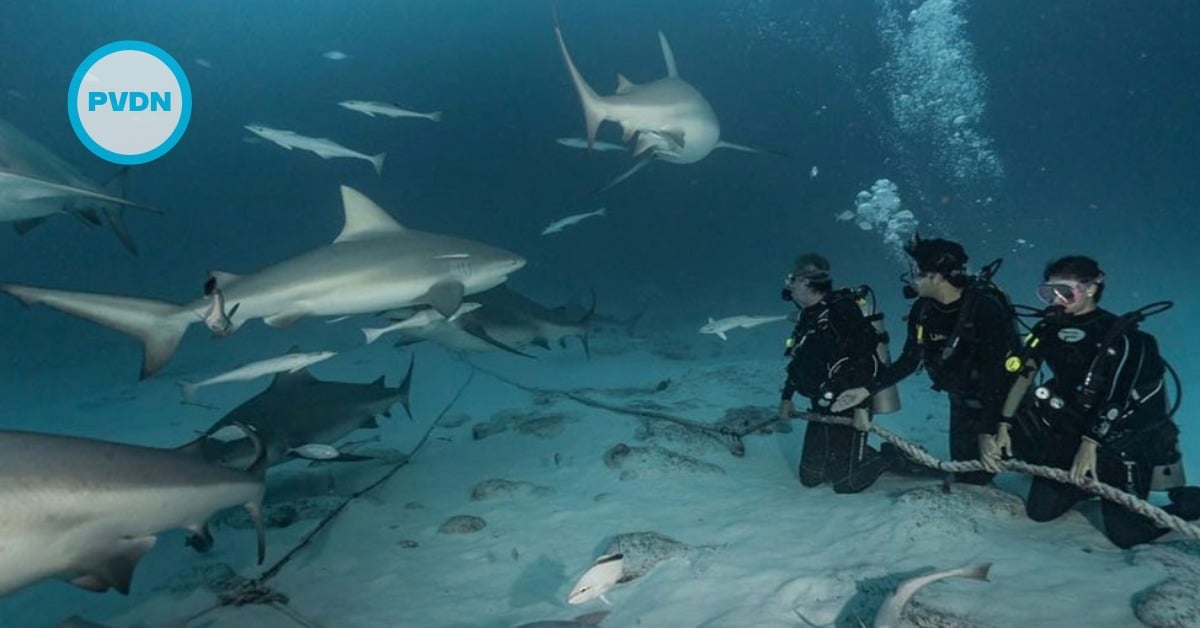
The sharks are back — and so are the questions. Each November through March, pregnant bull sharks gather off Playa del Carmen, turning the Riviera Maya into one of the world’s most-watched shark spots. Local officials are urging simple precautions, such as checking beach flags and booking with certified operators. We dug through advisories, science, and recent seasons to explain why the sharks show up now, why sightings have jumped in recent years, and what that actually means for swimmers and divers.
The Mexican Caribbean’s bull shark season has begun. From now through March, pregnant females cruise the sandy flats off Playa del Carmen, the region’s most reliable vantage point for sightings. Local authorities and dive operators are leaning on a familiar message: enjoy the ocean, but use common sense and go with professionals. A new public advisory circulating this week underscores that rhythm and highlights Playa as the focal point for observation in the months ahead.
Bull shark season
If you’re new to it, the calendar is predictable. Cooler months bring mature females close to shore, where currents are calmer and food is steady. That’s why November marks the unofficial opener every year. Dive boats will follow strict depth, distance, and briefing rules, and reputable shops will be upfront about conditions and whether a dive is appropriate for your experience. The headline here isn’t danger; it’s respect. Sharks do what sharks do. Humans can plan around that.
For most beachgoers, the basics don’t change. Swim near lifeguards. Read the beach flags. Avoid dawn or dusk when visibility is low and prey is active. Skip murky water after storms. Leave shiny jewelry in the room; the flash can mimic fish scales and draw the wrong kind of curiosity. None of this is new, but it matters more during a season when big animals are around and the water fills with visitors.
The perception of risk is often louder than the numbers. Mexico’s long coastline sees remarkably few incidents each year, and Quintana Roo’s count over more than a century is in the single digits according to the International Shark Attack File, the longtime global database maintained by the Florida Museum (ISAF country and state maps). That context helps. It doesn’t minimize the ocean’s power; it grounds our choices in facts rather than fear.
Practical safety for this season
Lifeguards and Protección Civil crews will continue using the color flag system to alert of changing conditions. Green is calm, yellow means caution, red signals rough surf or strong currents, and black is a hard no. A purple flag may be raised when marine life — jellyfish, rays, or sharks — is present. When in doubt, ask the guard tower and stick to guarded swim zones. The goal is simple: zero surprises on a day that should be about sun and saltwater. Quintana Roo’s civil protection office posts frequent reminders about those flags and how to interpret them; look for the signage at beach entrances and official updates on municipal feeds.
Divers will see a different checklist. Certified operators will give thorough briefings, limit group sizes, and maintain a position at the bottom to avoid surface splashing. They’ll also warn you that sightings are never guaranteed. Some days, the sharks glide in and out for twenty minutes. Other days, nothing. It’s nature, not an aquarium. Reputable shops will say so before you book, and they’ll cancel if currents, visibility, or behavior aren’t right. That’s not a letdown; it’s how you know you picked the right shop.
Even if you never touch a tank, seasonality shapes the shoreline. Cooler North American winters funnel visitors to warm Caribbean water, and more people in the ocean means lifeguards will close areas more often and more quickly. Don’t read drama into a red or black flag. It is the system working as intended. And if you see a purple flag, take a breath and have a conversation at the tower. You may shift to a different swim area, move your snorkel to midday, or opt for a pool day. That’s the privilege of a destination with options.
There’s a conservation thread here too. Bull sharks are apex predators that maintain healthy food webs. Professional, non-feeding encounters — with strict rules and a light footprint — can support research and local jobs while discouraging harmful practices. Visitors vote with their pesos. Choose shops that talk about codes of conduct, how they brief photographers, and how they space boats on the site. Responsible demand creates responsible supply.