Cabo San Lucas is putting its heart on the map. City officials have unveiled a new walking route meant to pull visitors into the real center—away from the marina’s neon—by spotlighting plazas, museums, and modest landmarks that anchor the town’s story. The plan arrives with a promise: safer, clearer paths and a reason to stay a little longer in Cabo, where it began.
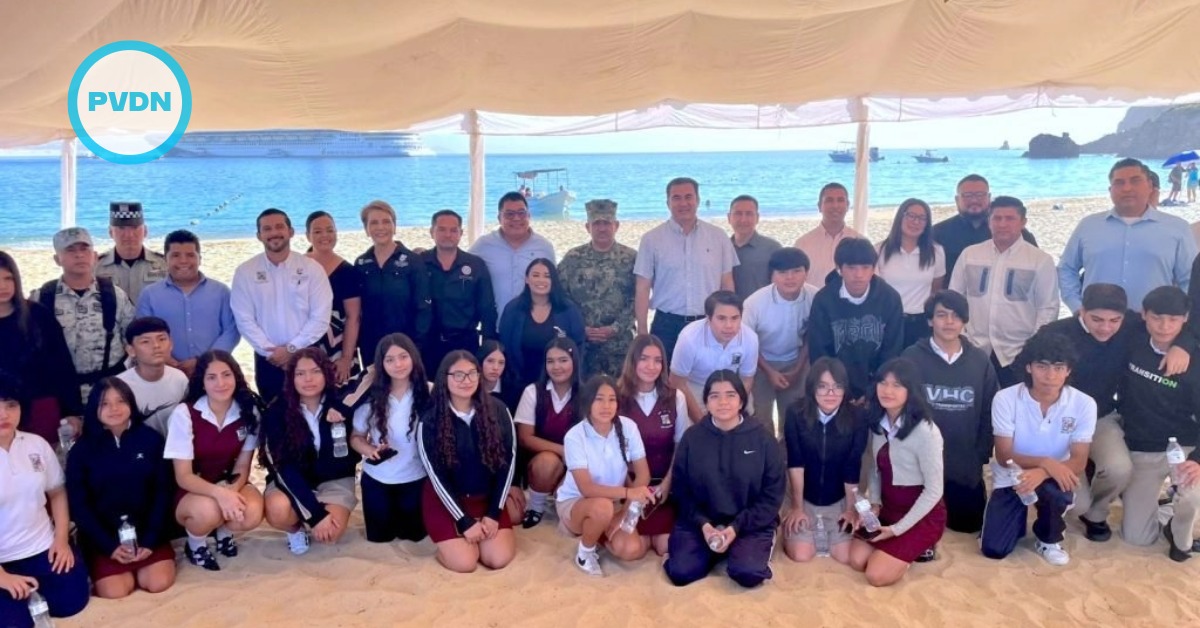
The municipal announcement frames the route as part of a broader push that includes a “Ruta Instagrameable” and a “Ruta Gastronómica.” This corridor, though, focuses on lived history—legends, traditions, and a guided stroll through the historic core—rolled out by the city’s tourism office with security partners at the table and a new information module for cruise passengers. It’s a small but telling shift toward culture-first tourism in a destination famous for nightlife and sea arches.
Local coverage underscores the goal: highlight the historic-cultural spaces in downtown so tourists actually see them, not just the marina. The story notes the route’s role within a season of arts programming, a reminder that Cabo’s cultural calendar can be as busy as its surf calendar.
Cabo Cultural Historic Route
What does a cultural route look like in practice? Start with the anchors locals already know. Plaza Amelia Wilkes is the social square at the literal center; it’s where community life still takes a breath between festival days and market nights. Across the plaza, the Natural History Museum provides a compact but revealing look at the region’s geology, marine life, and human past—exactly the kind of stop that gives a walk meaning. The museum sits on the plaza; recent state listings show hours Tuesday–Friday 10:00–20:00 and Saturday 10:00–17:00, with symbolic entry fees.
The parish church off the same grid is another quiet marker. It’s not grand. It doesn’t need to be. For many families, it’s where weddings, farewells, and ordinary Sundays share the same walls—proof that heritage here is lived, not staged.
Why build a route now? Look at the numbers that shape a day downtown. Cabo is a major cruise port; in early 2025 alone, the local tourism observatory counted months with well over 70,000 cruise passengers stepping ashore, with February peaking around 148,000. National industry tallies put Cabo among the country’s busiest cruise destinations this year. A clear, signed cultural walk—plus a staffed information point for day-trippers—could keep more of those visitors in the center long enough to buy lunch, peek into a gallery, and remember Cabo as more than a pier.
City hall is pitching safety alongside culture—an important pairing in a place that earns both headlines and hearsay. Officials say the Mesa de Seguridad is involved, and the route is being presented as a confident, walkable loop rather than a scavenger hunt. Visibility, signage, and a predictable path go a long way for travelers who might only have five hours in port or who are used to staying within sight of the harbor.
The choice of the plaza and museum as focal points isn’t accidental. The state’s own records describe Plaza Amelia Wilkes as the heart of Cabo, named for a local educator who helped knit civic identity here. Earlier public-works briefings laid out accessibility upgrades, façade improvements, and plaza restorations—moves that set the stage for a formal cultural route long before the ribbon-cutting.
What this means for downtown
For years, San José del Cabo’s weekly Art Walk proved that curated, walkable culture can move visitors off resort shuttles and into the streets. Cabo San Lucas, the louder sibling, is now seeking its own version—less wine-and-white-walls, more plazas, museums, and lived memory. If the city follows through with reliable signage, docents on busy days, and a kiosk ready for cruise timetables, the route could rebalance how people meet the destination.
There’s also a deeper promise here: pride. The municipal release emphasizes identity and inclusion, not just promotion. That’s smart politics and good tourism. It acknowledges Cabo’s workers and families as the keepers of the story—and invites visitors to see themselves as guests in that story, not just consumers of a view.
The next test is practical. Will guides and small businesses be looped into the rollout? Will maps show accessible pathways and shade stops? Will docents be trained to answer the same ten questions cruise passengers always ask? The city’s commitment to a staffed information module for people disembarking each morning is a start. So is naming the route for what it is: an invitation to slow down and meet the place. Cabo Cultural Historic Route isn’t a new attraction; it’s Cabo San Lucas finally sketching its own center line—and asking the world to walk it.