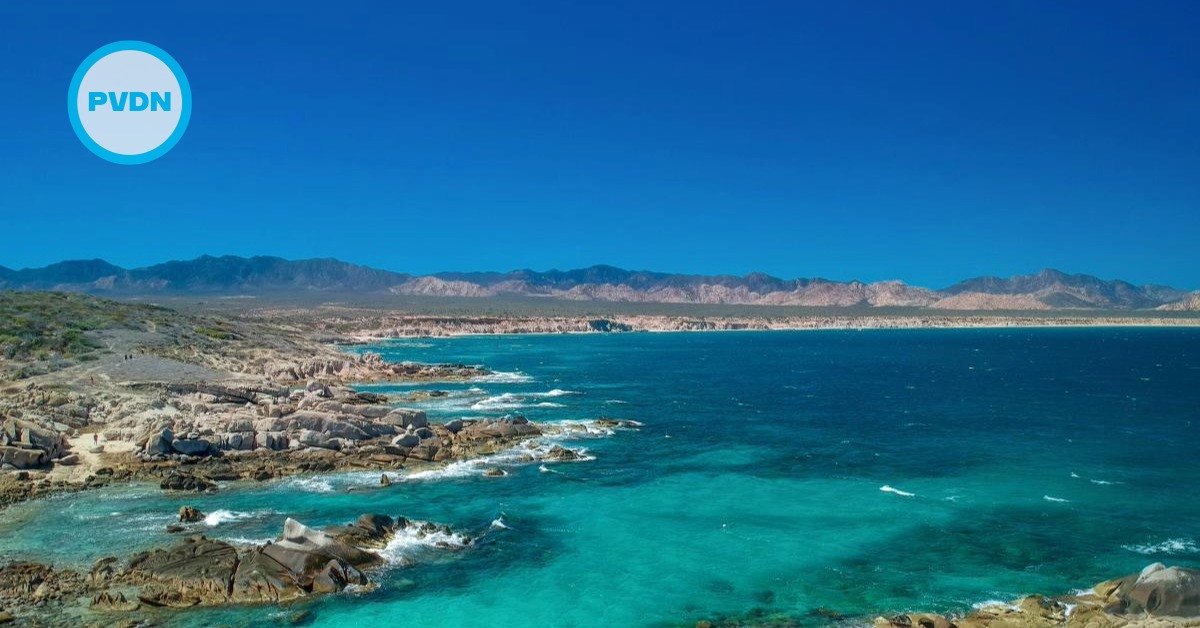
Los Cabos wants Cabo del Este branded as a low-impact micro destination, balancing new tourism projects with fragile ecosystems and local voices.
Cabo del Este, the long East Cape coastline between La Paz and San José del Cabo, is stepping into the spotlight. Los Cabos tourism officials want to turn the area into a branded “micro destination,” a place that feels distinct from the busy resort corridor yet remains part of the wider municipality. The promise is simple on paper: more tourism income for rural communities, without sacrificing the wild character that draws visitors in the first place.
The region already has a tourism identity. It runs along Bahía de las Palmas from Punta Pescadero to Cabo Frailes, mixing long beaches, low-slung hotels, sport-fishing fleets and small communities such as Los Barriles, Buena Vista, La Ribera and Cabo Pulmo. Sport fishing has dominated for decades, with hundreds of charter boats chasing marlin, dorado and other prized species during the warm months. At the same time, wind and waves have brought in kitesurfers, divers and travelers who come for the slower rhythm missing in Cabo San Lucas.
Tourism leaders now speak of adding a new layer rather than starting from scratch. Rodrigo Esponda Cascajares, director of the Los Cabos Tourism Board (FITURCA), recently described a plan to knit together communities like Miraflores and Santiago with the coastal corridor through a shared tourism offer. That work already includes the first birdwatching guide for the area and closer coordination with local guides in the Sierra de la Laguna. This mountain range rises just inland and feeds aquifers across southern Baja California Sur.
A fragile corner of Los Cabos
The stakes are high because this is not just any coastline. Cabo del Este borders the Gulf of California, often called one of the most biodiverse seas on Earth. Scientists estimate the Gulf hosts around 40 percent of the world’s marine mammal species, along with hundreds of fish and invertebrates found nowhere else.
Part of that richness is protected inside Cabo Pulmo National Park, at the southern end of the East Cape. The park shelters the largest coral reef in the Gulf of California and has become a flagship example of community-led marine conservation. Since its creation in the mid-1990s, scientific monitoring has documented the dramatic recovery of fish biomass and the return of sharks and other large species. Ecotourism built around diving and snorkeling now sustains many local families, but the park also receives tens of thousands of visitors each year, pushing its capacity and testing how much “success” a small reef can absorb.
On land, the Sierra de la Laguna Biosphere Reserve acts as the region’s water tower. Its pine and oak forests capture scarce rainfall and feed the underground reserves that towns and tourism projects depend on. Mexican environmental authorities have flagged the reserve as critical for water supply in the south of the state, a warning that looms over any large new development along the coast below.
Yet pressure keeps growing. Coastal research organizations describe how rapid population growth and real estate investment in the southeast of Baja California Sur have reshaped beaches, wetlands and dunes, often replacing them with roads, villas and golf courses. One recent overview points to water scarcity, sediment runoff and habitat fragmentation as mounting risks, even inside protected areas such as Cabo Pulmo. In parallel, this year’s reporting highlighted at least a dozen luxury mega-resort projects vying for a footprint in Cabo del Este, targeting high-end travelers and raising fears of a return to large-scale, high-consumption tourism along the East Cape.
Cabo del Este micro destination
Against that backdrop, the Cabo del Este micro destination idea is meant to sound different. FITURCA describes a model that adds value by diversifying what visitors do, not just by building more rooms. The focus includes birdwatching routes, hiking and canyon experiences in the Sierra de la Laguna, and cultural stops in inland communities that have often sat outside mainstream tourism circuits. The tourism board says it is working hand in hand with an initiative known as Futuro Cabo del Este, which brings together residents, scientists and private partners around a shared vision of “regenerative” development.
For local organizers, the key message is that the region is one of the “lungs” of Los Cabos and of Baja California Sur as a whole. The sea, desert and mountains meet here in a way that still feels intact compared with other parts of the municipality. They argue that any new project must start from that reality: the Gulf of California’s extraordinary biodiversity, the park and biosphere protections already in place, and the finite water coming down from the Sierra.
At the municipal level, Los Cabos is also writing its first Sustainable Tourism Municipal Plan. The process, led by local authorities with technical support from planning and sustainability institutes, aims to set clear criteria for new tourism projects. Draft elements include a local sustainability seal for hotels and developers, focused on waste management, reduced single-use plastics, efficient water use, support for local producers and genuine ecotourism activities. Officials point to more than 4.3 million visitors in 2024 and roughly 3,000 tons of solid waste in tourist zones as signs that business-as-usual is no longer an option.
Whether the micro destination label becomes a shield or a marketing slogan will depend on what follows. If it channels investment into community-run tours, smaller-scale lodging and stronger protection for land and sea, it could help Cabo del Este stay closer to the low-key place many residents still recognize. If it clears the way for water-hungry mega-resorts that wall off the shoreline, it risks eroding the very mix of desert, mountain and sea that makes the East Cape feel different from the rest of Los Cabos.
For now, the message from both tourism officials and local groups is that development will continue, but not at any cost. The coming years will show whether Cabo del Este can grow into a micro-destination that keeps its wild edges and its communities at the center of the story.