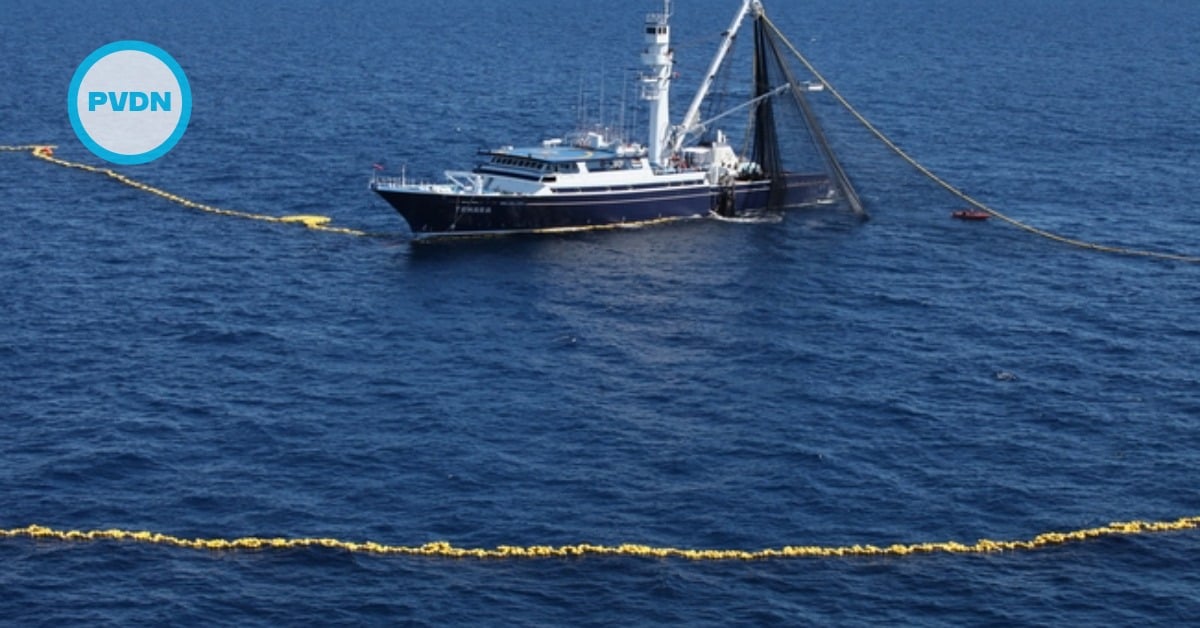
Federal inspectors backed by the Navy cut an illegal net off Cabo San Lucas, freeing sharks and a roosterfish, and seizing gear and a small vessel. The action, confirmed by a local outlet on October 21, highlights Los Cabos’ growing role as a hotspot for covert netting that captures regulated species. Mexico has tightened shark rules this month, and roosterfish remain sport-only near shore, which makes the net find even more telling. What exactly happened on the water—and what changes on land next—matters to anglers and conservationists alike.
Federal inspectors with naval support removed an illegal net off Cabo San Lucas on Tuesday, October 21, 2025, freeing several sharks and a roosterfish before seizing fishing gear and a vessel. A local outlet first reported the operation after authorities carried out an enforcement sweep near the resort city’s coastline. Cabo illegal fishing isn’t new, but cutting a live net with sharks and a prized roosterfish inside is a vivid reminder of how quickly covert gear can damage local waters.
Cabo illegal fishing
Sharks draw headlines, but the roosterfish in this case matters as much. Under Mexico’s sport-fishing rule set, roosterfish is among the species reserved exclusively for recreational fishing within 50 nautical miles of the coast—meaning commercial nets have no business landing them in nearshore waters. That standard is embedded in the federal norm for sport fishing, known as NOM-017, and applies across the Pacific coast, including Baja California Sur.
The timing also tracks with a broader federal push on shark protections. Earlier this month, Mexico formalized new measures on the incidental capture of sharks in large-vessel tuna fisheries, aligning domestic practice with international obligations. While the Cabo sweep involved a small craft and nearshore gear, the national posture is unmistakable: tighter controls, more inspections, and less tolerance for nets that entangle regulated species. For operators, that means higher odds of a dockside inspection; for anglers, it means better chances that marquee fish survive to fight another day.
Enforcement in Baja California Sur has stepped up throughout the year. Authorities have pulled illegal nets in other stretches of the peninsula and released live catch when possible, underscoring a pattern that goes beyond a single sweep in Los Cabos. Local fisheries, tourism bodies, and charter captains say the message is simple: the rules are written to protect both the fish and the economy that depends on them. In practical terms, that means fewer ghost nets, fewer dead bycatch, and more confidence among visitors booking sport-fishing trips.
What rules apply in Baja waters
For visitors chasing a bucket-list roosterfish, the framework is clear: roosterfish sits on the short list of species reserved for sport fishing near shore, and daily limits are strict. Shark fishing is tightly regulated under a separate national standard for sharks and rays, with seasonal closures and gear limits designed to curb bycatch and deter finning. The sweep off Cabo San Lucas fits squarely within that regulatory logic: stop illegal nets early, release live catch fast, and remove the gear that turns a coastal hotspot into a snare.
Authorities did not immediately release the names of those involved in the seizure or describe the nature of the net in detail. Still, the combination of live releases and a confiscated vessel signals a case that could move quickly through administrative channels. For locals who work the water, the calculation is familiar: the stricter the enforcement, the healthier the fishery—and the steadier the jobs tied to it. For visitors planning fall trips, it’s also a reminder to fish by the book and report suspicious gear when you see it.