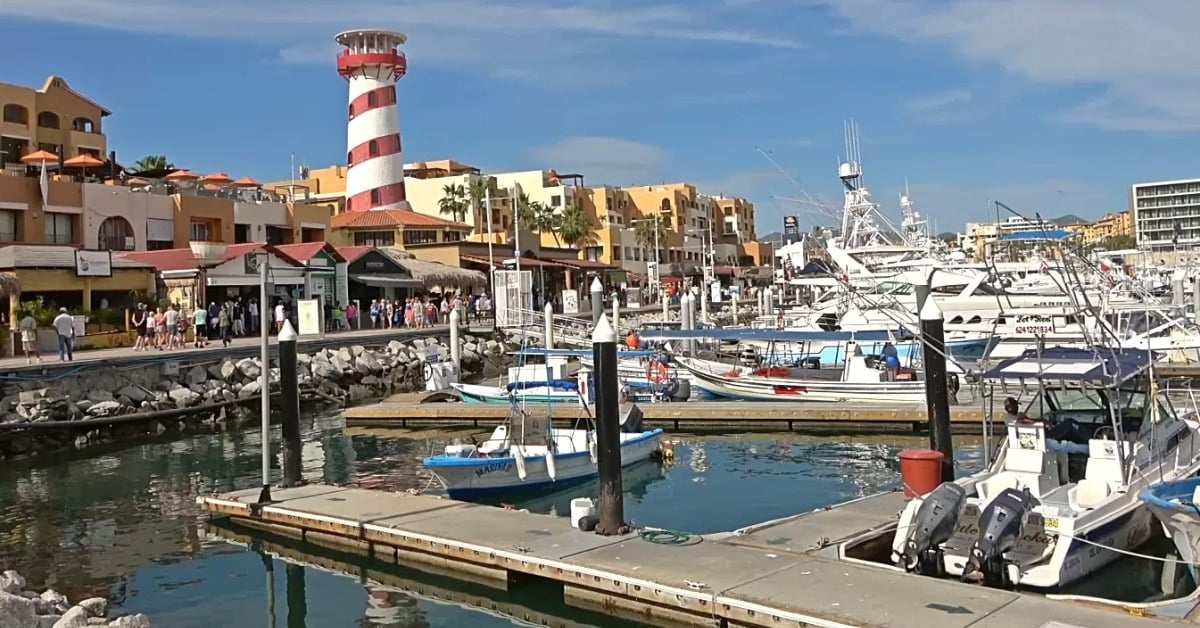
Cabo San Lucas is closer than ever to running its own city hall. Six months after residents filed a formal petition, state lawmakers met this week to review the path to creating Baja California Sur’s sixth municipality. Supporters argue the current system underserves more than 200,000 people, while opponents warn about costs and brand risks for Los Cabos. Here’s what changed inside Congress, how the process would work, and why water, budget fairness, and growth pressures are driving this debate—plus what residents can expect next if the plan advances.
Residents in Cabo San Lucas have waited years for a government that answers to their side of the corridor. This week, that push took a formal step: state legislators convened a joint working session to track the citizen-led effort to carve out a new municipality from Los Cabos. Lawmakers said they are now gathering on-the-ground data from neighborhoods to judge viability, including service coverage and budget needs.
State Congress leaders framed the discussion in terms of fairness. Alondra Torres, who presides over the chamber’s board, called municipalization a matter of “justice” for residents. A companion statement from the special plural commission described fieldwork in colonias and a focus on measurable gaps in service. Those details align with the timeline, dating back to February, when the petition was formally delivered to Congress.
Cabo San Lucas municipality
The initiative was presented to Congress on February 19, accompanied by signatures from community leaders. A stamped submission letter confirms the filing and initiates a six-month window of forums and worktables, now being reported as “advances.” The joint commissions say they are following a calendar of hearings with state agencies for health, urban planning, security, tourism, and education.
Supporters argue the Los Cabos budget structure leaves Cabo San Lucas behind. One lawmaker and local advocates say that more than 200,000 residents are effectively served with resources tailored for a far smaller population, and that most of the delegation’s funds are allocated to payroll rather than actual work. Those claims reflect deep frustration, but they are precisely what the new technical review is meant to test.
What would change for residents
Today, Los Cabos is one of five municipalities in Baja California Sur, with San José del Cabo as the seat of government and Cabo San Lucas as a delegation. Creating a sixth municipality would move CLS to its own council, treasury, and public-works structure—bringing decisions and accountability closer to residents. Any transition would establish a legal pathway for elections and the transfer of assets, personnel, and service contracts.
Under state law, the Congress has the power to create or suppress municipalities. Doing so requires a constitutional reform approved by two-thirds of the chamber, along with secondary changes to the state’s municipal government law. Lawmakers have already established a support commission to compile the technical record necessary for a vote.
The numbers behind the pressure
Los Cabos counted 351,111 residents in the 2020 census, more than 44% of the state’s population. The single largest urban area is Cabo San Lucas, with about 202,694 people. That growth has outpaced infrastructure, particularly in areas related to water and drainage. Independent reporting has documented severe water inequality in CLS and recurring protests as new desalination capacity lags demand.
In that context, the push for municipal status is about more than a new logo. It is about who sets priorities for the neighborhoods where the growth is happening, and whether a local treasury could move faster on pipes, streets, and policing than a government based 32 kilometers away.
Skepticism and brand questions
Not everyone is convinced that splitting Los Cabos is the fix. Some local officials warn about duplication, startup costs, and the risk of diluting the “Los Cabos” brand that anchors tourism. Others counter that CLS already operates a costly delegation structure, meaning the baseline expenses are already in place. These competing claims will be central to the financial impact study now underway.
Legislators say the current phase is about hard evidence, not slogans. The commissions will weigh service coverage, revenue potential, and the legal steps to redraw boundaries. If Congress issues a favorable opinion, the constitutional reform would proceed to a floor vote, and if approved, it would set a timeline for a transitional government and elections.