Lights keep flickering in Cabo San Lucas, and so does the patience of people trying to work, sell, or sleep. Shop owners describe refrigerators cycling off, card readers failing mid-sale, and electronics taking the brunt of the damage. Residents want answers from the power company, but Baja California Sur’s grid is a special case—small, isolated, and stretched by heat and growth. Officials say fixes are coming, from emergency crews to new generation projects. For now, neighbors are counting fresh outages and hoping tonight isn’t another round.
Cabo San Lucas outages
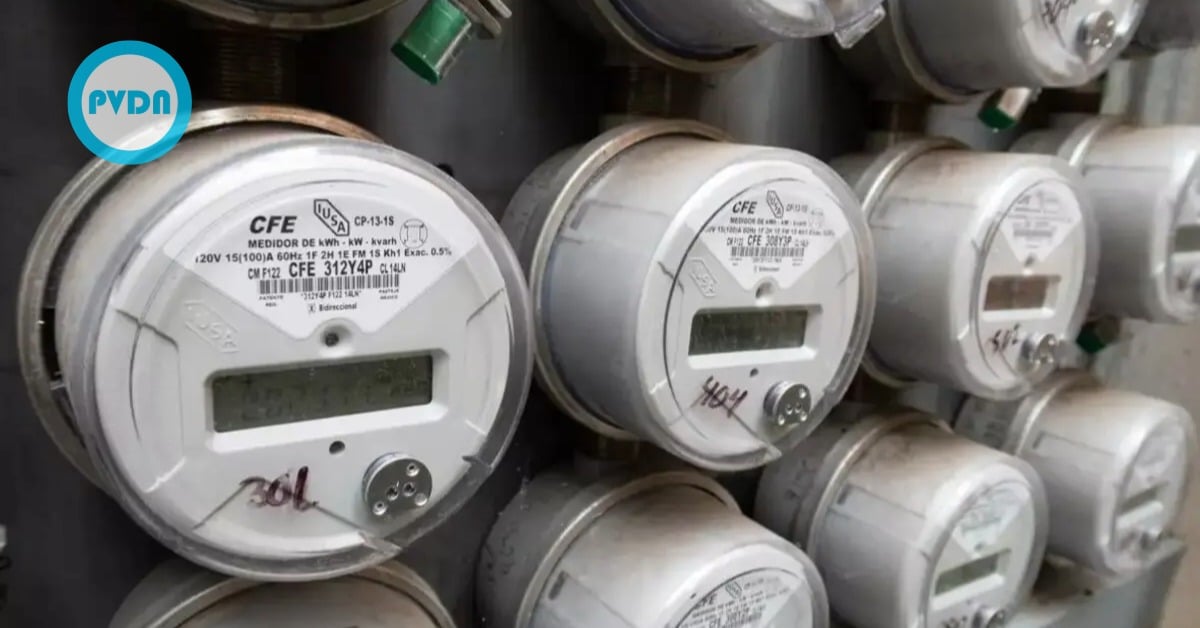
Merchants and residents in Cabo San Lucas report that rolling power cuts have been frequent this week, with complaints centering on damaged equipment, spoiled goods, and transactions lost when card terminals malfunction. The local report, published on September 25, notes that higher temperatures and increased demand have coincided with a noticeable increase in service interruptions across Los Cabos. Cabo San Lucas outages are the latest flash point in a long-running reliability problem in Baja California Sur.
A day earlier, another local piece tallied “more than 20” cuts in a single day, affecting businesses and neighborhoods, underscoring the economic bite when refrigeration cycles fail and customers walk out. That account quotes merchants urging the Federal Electricity Commission (CFE) to respond and cover damage. While the exact tally varies by colonia and hour, the picture is consistent: short, repeated drops that add up to real losses.
Unlike most of Mexico, Baja California Sur runs on a small, isolated grid. It is not tied into the larger national system, which makes peaks harder to smooth and contingencies harder to absorb. CFE’s own public materials describe BCS as a separate subsystem, which must broadly cover its own demand, as well as conditions that amplify strain during heat waves and rapid growth.
In the late afternoon of September 25, CENACE—the independent grid operator—showed BCS net demand above 560 MW, with forecasts pushing higher into the evening, a typical pattern when air-conditioning loads spike. On smaller islands of generation like BCS, even routine wear in distribution gear or a single plant’s maintenance window can ripple fast through neighborhoods.
What residents say is breaking
Neighbors describe the same rule of thumb: when the lights go out, compressors and electronics are the first to go. Small stores and restaurants complain that each “blink” risks a refrigerator, a POS terminal, or both. People also connect the timing to the hottest hours, when A/C use is unavoidable. The Meganoticias report captures that mix of rising temperatures, heavier demand, and quick, repeated cuts—exactly the profile that cooks equipment and frays tempers. The human cost here isn’t abstract; it’s food waste, lost sales, and sleepless nights.
Recent reports from Los Cabos indicate distribution-level faults—ranging from short feeders to localized incidents—rather than a system-wide blackout. In late August, for example, regional outlets documented clusters of brief outages and CFE explanations tied to specific neighborhoods or line issues. That won’t comfort a store owner staring at a dead freezer, but it does suggest that the pain is being driven by a series of local events on a stressed network, rather than a single catastrophic failure.
CFE, for its part, has been in emergency posture at times this month as storms formed in the Pacific. A September 4 bulletin detailed that crews, cranes, and mobile plants were staged for rapid restoration across at-risk states—standard practice that helps with hurricane-related faults but doesn’t eliminate routine rolling drops when demand outpaces the local margin.
What CFE says and what’s next
In the medium term, officials have floated—and in some cases announced—a new generation for BCS. In late August, the federal government touted a first-in-Mexico thermosolar project slotted for the state, designed to store heat and produce power after sunset. The pitch is clear: add clean, dispatchable capacity to a fragile, fossil-heavy fleet. Timelines are long, though; the project still needs land and bidding, with completion projected in years, not months. Residents hearing that tonight’s dinner service may be by candlelight are asking what happens now.
Separately, industry and local coverage have tracked proposals for new thermal units around Cabo San Lucas—fast-to-build engines meant to catch peaks and reduce the need for rotating cuts. Environmental groups have raised concerns about pollution; business groups emphasize reliability. Either way, the takeaway is the same: BCS must add firm capacity and shore up distribution if it wants to stop counting blinks.
In the very short term, residents and shopkeepers are urging CFE to step up claims guidance for damaged equipment and to publish tighter maintenance windows—so they can plan staffing and inventory around the worst hours. The utility has announced scheduled work in other regions this month with specific date and time windows; Los Cabos customers say they want the same clarity regarding when crews will be switching lines or replacing equipment. Transparency won’t stop the heat, but it can keep a stormy evening from becoming a lost week.