Plans for a wildlife sanctuary at the foot of Baja California Sur’s Sierra La Laguna mountains are drawing close scrutiny. The project—an ambitious conservation and education center backed by a local nonprofit—promises to protect rare wildlife and teach the public about this unique ecosystem. However, it would also require clearing part of a forested area next to a fragile biosphere reserve. Now Mexico’s environmental authorities are examining the plan, weighing its conservation benefits against potential impacts on one of the state’s most sensitive landscapes.
Wildlife Center Proposed at Sierra La Laguna
A detailed environmental impact study has been submitted to federal regulators for the Santuario del Tío Checo, a planned wildlife conservation center in the Los Cabos region. The nonprofit Hermandad en Armonía A.C. filed the application with the Secretaría de Medio Ambiente y Recursos Naturales (Semarnat) on January 22, 2026. The proposed site spans roughly nine hectares of foothill terrain near the community of La Palma, just outside San José del Cabo, at the base of Sierra La Laguna. To build the sanctuary, the project seeks approval to change the land use of a forested plot—essentially permission to clear and develop part of it for new facilities.
According to the filings, the center would devote about half of its 90,000-square-meter property to the project, though most of the land would remain unpaved open space. Plans outline 13 one-story structures totaling around 7,974 square meters of construction. These would include an educational pavilion, administrative and volunteer offices, a research laboratory, aviaries, a veterinary clinic, breeding enclosures, and other support buildings. The design also calls for a parking area and a solar panel farm to power operations. All told, the sanctuary represents an investment of approximately 100 million pesos (about $5.5 million USD), with developers projecting a lifespan of 30 to 50 years for the facility.
The Santuario del Tío Checo is envisioned as a hub for wildlife conservation, breeding, and environmental awareness. Its mission would be to conserve Baja California Sur’s native fauna—potentially breeding endangered species for reintroduction—and to educate visitors about the importance of Sierra La Laguna’s environment. Importantly, the proponents emphasize that the sanctuary is not a commercial zoo but a nonprofit endeavor focused on scientific research and conservation.
Sierra La Laguna’s Unique Ecology
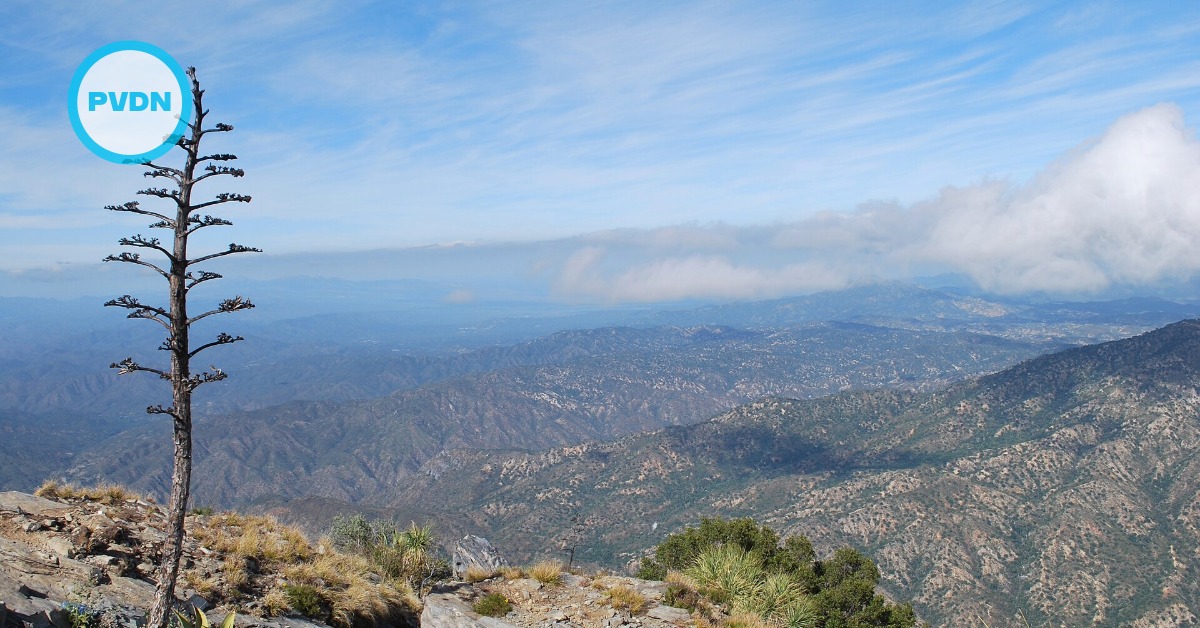
Sierra La Laguna is a protected mountain range and biosphere reserve known for its extraordinary biodiversity. Rising abruptly from the surrounding deserts at the southern tip of the Baja Peninsula, these highlands harbor the only pine–oak woodlands in Baja California Sur. The cooler, wetter conditions at elevation support numerous endemic species—plants and animals found nowhere else on Earth—alongside more familiar desert species on the lower slopes. The area’s importance extends beyond biodiversity: it serves as the region’s “green lungs” and a critical water source. Rainfall captured by the Sierra filters into aquifers that provide fresh water to communities in Los Cabos and La Paz, making the reserve indispensable for the state’s water security.
Recognizing its ecological value, Mexico designated Sierra La Laguna as a Biosphere Reserve. The reserve covers more than 112,000 hectares, divided into a strictly protected core zone and a buffer zone where limited sustainable activities are permitted. Any development in this area raises concerns because it could disrupt habitats or water resources. Local ranching families have lived in and around the Sierra for generations, coexisting with the land and often acting as informal guardians of its trails and springs. They, along with conservationists, are keenly aware that the mountain ecosystem is delicate—and that changes to land use on its periphery must be handled with great care.
Environmental Impact Under Review
Semarnat officials are now carefully reviewing the sanctuary’s environmental impact study to determine if the project can proceed without harming the Sierra La Laguna region. On January 30, 2026—just over a week after the filing—the agency issued a preliminary request for more information, a standard step signaling that evaluators found aspects of the proposal needing clarification or adjustment. This “prevention” notice effectively pauses the approval process until Hermandad en Armonía provides the requested details. It indicates that regulators are scrutinizing the plan’s specifics before moving on to a full assessment of its environmental viability.
Among the key issues is the proposed change of forest land use. To build the center, the project would clear roughly 4.5 hectares (about 11 acres) of vegetation on the property. While the design aims to leave most of the site undeveloped and permeable to rainwater, the clearing still represents a loss of habitat. The environmental study acknowledges that construction and operation could affect local air quality, groundwater recharge, and native wildlife in the San Miguelito area. Species ranging from small reptiles and birds to larger mammals could be displaced by the noise, human presence, and habitat alteration. The site itself does not contain any permanent streams or wetlands. It does, however, lie within the Sierra’s watershed, meaning that any significant change to the land could indirectly affect water flows or even trigger erosion farther downhill.
Project developers propose an array of mitigation measures to address these impacts. Before any land clearing begins, they plan to implement wildlife rescue and relocation programs to gently move animals out of harm’s way. Native plants, especially any rare or protected species, would be salvaged and replanted either on-site after construction or in nearby suitable habitats. The design includes a compact wastewater treatment plant to prevent sewage from polluting soil or groundwater. Power would be supplied by the on-site solar farm, reducing reliance on fossil fuels or the grid. Water for the facility is expected to come from sustainable sources such as rainwater collection or existing wells. The foundation has pledged not to drill new wells or otherwise deplete local aquifers. These steps, the foundation argues, will minimize the sanctuary’s ecological footprint.
Despite these assurances, environmental experts and community members have voiced reservations. Conservation scientists point out that a biosphere reserve like Sierra La Laguna is not meant to be a laboratory for untested interventions. They worry that introducing captive-bred animals into the wild, if not managed extremely carefully, could upset the balance of the existing ecosystem—particularly if any species are involved that were not originally present in this habitat. In fact, regulations for the reserve explicitly prohibit bringing in “exotic” species. Environmental lawyers have also questioned the project’s legal feasibility if any part of the development encroaches on protected land. Hermandad en Armonía maintains that the sanctuary would sit outside the official boundaries of the biosphere reserve, on private land in its vicinity. However, the initial executive summary of their impact study reportedly indicates that a portion of the planned site may overlap with the reserve’s buffer zone. If so, that overlap could trigger stricter scrutiny under federal conservation laws.
Local residents in the Sierra La Laguna area are watching the review process closely. Many families living in the mountain’s ranch communities have a deep personal connection to the land and rely on its water and wildlife. Some have expressed cautious optimism about a project that could bring in resources for conservation, but they also insist it be done right. They expect authorities to rigorously enforce environmental protections. One longtime rancher from the area stressed that local families have been caretakers of these resources for generations and will insist that any new neighbor in the Sierra do the same. That sentiment underscores the community’s intent to hold the foundation to its word and ensure Sierra La Laguna’s natural legacy remains intact.
As the evaluation continues, Semarnat will have the final say on whether the wildlife center moves forward. The agency will decide if the project complies with environmental regulations and whether the proposed safeguards are sufficient to prevent lasting harm to this irreplaceable ecosystem. Until then, the Hermandad en Armonía foundation must await a verdict and be prepared to answer further questions about how it plans to harmonize development with the delicate environment of Sierra La Laguna.
With information from Diario El Independiente, El Sudcaliforniano, Meganoticias Los Cabos, CONANP