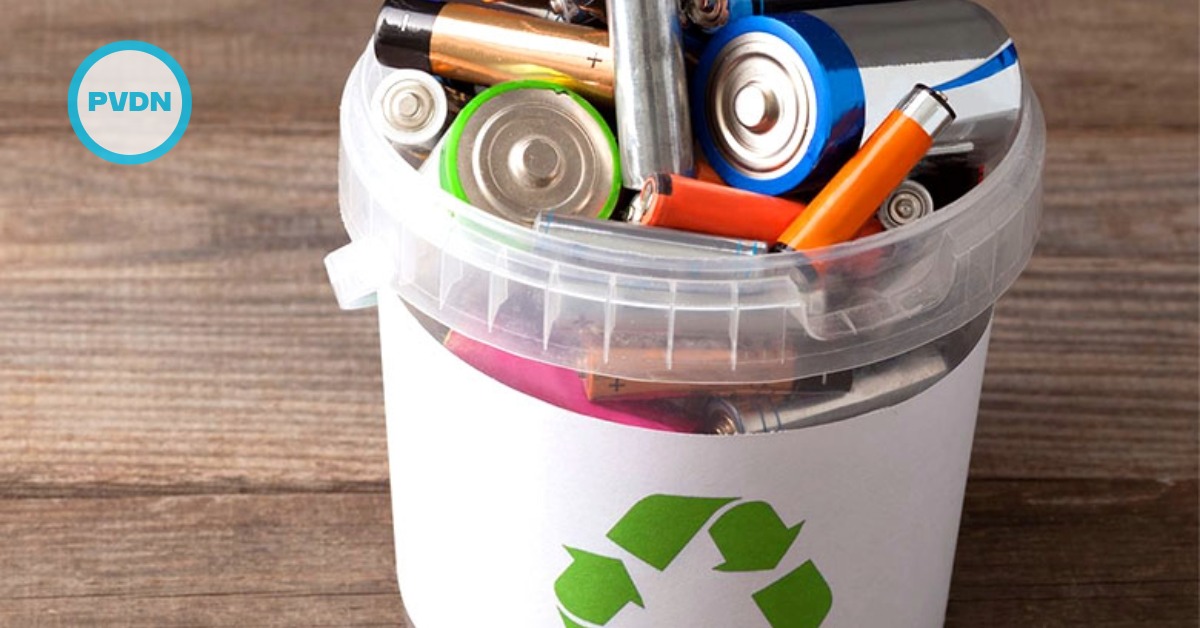
A drawer full of dead batteries. An old blender you keep meaning to toss. That bottle of cooking oil you never want down the sink. Los Cabos is opening 2026 with a one-day drop-off that targets the stuff most people don’t know how to dispose of. It’s simple, free, and designed to keep hazardous scraps out of streets, arroyos, and landfills. Here’s what’s being collected, where to go, and how to prep your items so they’re actually recyclable.
A one-day drop-off to start the year
Los Cabos is kicking off 2026 with a public collection day meant to make recycling easier and dumping less tempting. City officials say the first acopio campaign of the year will run on Friday, January 30. The drop-off window is 8:00 a.m. to 1:00 p.m. Collection will take place in the parking area of the Unidad Deportiva Rodrigo Aragón Ceseña. The site is in the Centro neighborhood of San José del Cabo. The municipality says the effort is coordinated by its environmental office. It is open to the public and focused on waste that does not belong in regular trash. For many households, that “in-between” waste piles up fast. Think of old cables, cracked glassware, empty supplement bottles, dead batteries, and oil you do not want in your drain. By concentrating the collection into one morning, the city hopes more people will participate. The goal is to keep problem materials out of streets, empty lots, and natural waterways.
What they will accept and why it matters
This drive is not limited to the obvious recyclables. Officials say they will accept expired medications, alkaline batteries, electronic waste, and used cooking oil. They will also take common recyclables, including cardboard, paper, glass, aluminum, and plastics. The notice also mentions bottle caps, cigarette butts, and appliances that are no longer in use. These are small items with outsized impact. Batteries can leak over time. E-waste breaks into sharp pieces and tiny fragments. Expired medications should not be flushed or tossed loose. Used oil can clog pipes and attract pests if it spills. When these materials are collected in one place, they can be handled with more care. That reduces the chance they end up in arroyos, beaches, or open-air dumps. It also helps keep neighborhood bins and collection routes cleaner. For many people, the hardest part is simply knowing where to start. This event gives one address and one set of hours.
How to make your drop-off count
If you plan to go, think less about volume and more about condition. Clean, separated materials are easier to manage. They are also more likely to be recycled. Let the used cooking oil cool completely. Then seal it in a leak-proof container for transport. Keep batteries together and away from anything wet. Bring electronics and appliances intact rather than broken apart. Loose pieces scatter fast in a parking lot. If you are bringing cardboard or paper, keep it dry on the way there. Plan to arrive with time to spare, since the cutoff is early afternoon. For new residents, this can be a useful reset. Many expats arrive with shipping materials, extra packaging, and spare gadgets. Clearing that out early makes it easier to keep up with local disposal practices year-round. If you are moving or clearing a rental, set aside recyclables before you donate or trash everything. A little prep helps.
A broader push beyond one Friday
Municipal officials describe the January collection day as part of a wider push to reduce pollution. They also want to build everyday habits around disposal. Los Cabos has been promoting regular community collection days. It has also publicized permanent drop-off options for certain materials, including plastic bottles. That matters in a place where the population swells seasonally, and neighborhoods can change fast. When pickup rules feel unclear, people default to what is convenient. Convenience often means sending everything to the landfill. It can also mean leaving unwanted items where the wind will take them. The city’s message is straightforward. If something can be recycled, do not improvise a disposal spot. Use an official collection point instead. One trip will not solve the region’s waste problem. Still, it can keep a few risky materials out of the wrong places at the start of the year. It is a small act of local stewardship that adds up when many households do it together.
With information from BCS Noticias, H. XV Ayuntamiento de Los Cabos, CaboVision