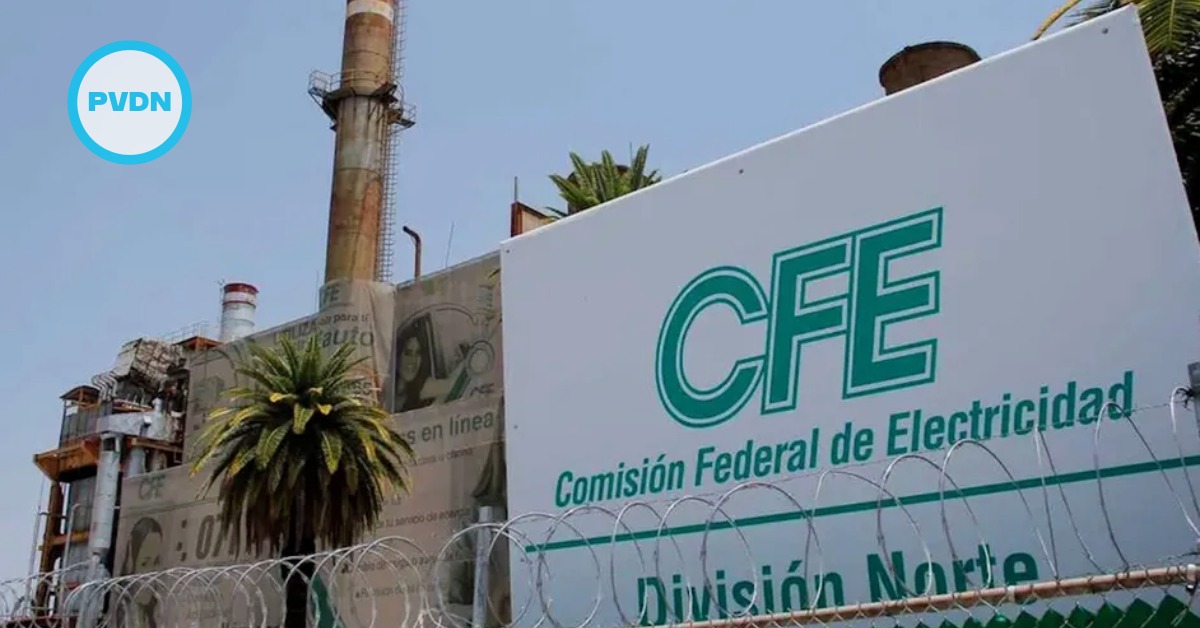
CFE has submitted an environmental impact study for a 240-MW internal-combustion plant on the outskirts of Los Cabos. The project would use natural gas and cluster multiple high-efficiency engines to add capacity ahead of peak summer demand. The filing outlines species relocation and estimates annual hazardous-waste streams. It’s a proposal, not an approval, and it now enters federal review.
According to a study reported by national media, the site spans 19.8 hectares, most of which is desert scrub that would require a change in land use. Surveyors counted 15,127 cacti across ten species, plus 8,541 trees and shrubs. The document lists deer, gray foxes, hares, and reptiles to be relocated, and values the flora and fauna at about 3.2 million pesos for mitigation purposes. It also classifies the project as “high-risk” due to methane volumes and projects roughly 6,000 kg of hazardous waste per year.
The utility frames the plant as a reliability play for an isolated grid. Baja California Sur is not connected to the national network, which limits imports and leaves local supply thin during heat waves. CFE’s own planning notes a 240-MW engine-based plant for Los Cabos, citing water conservation in a desert as a key reason to choose engines over a combined-cycle unit. The plan allocates $272 million to the investment.
In practical terms, that means 13 medium-speed units that can ramp fast and stabilize the system. Similar CFE engine projects in the northwest are built for dual-fuel flexibility, and local reports indicate the Los Cabos units could run on diesel in emergencies. That capability, while helpful for blackouts, would raise local emissions when used.
For Los Cabos residents, the headline is simple: a bigger share of power would be generated closer to the resort corridor rather than sent down from La Paz. That cuts line losses and should reduce the need for temporary summer measures. Municipal briefings this year described the project as a 13-engine, 240-MW plant designed to keep pace with population growth and tourism demand.
Why is it on the table
The project sits inside CFE’s current expansion drive, which adds new gas-fired capacity while older oil-burning units age out. In Baja California Sur, officials say engines were picked for their low water needs and fast response. The same planning notes confirm the $272 million budget and the 13-engine configuration.
The grid reality helps explain the timing. Baja California Sur operates as an electrical island, separate from the Sistema Interconectado Nacional. That isolation adds risk during hot months when air-conditioning soars and tourism peaks. Federal energy planning documents and CFE materials describe BCS and Mulegé as stand-alone systems. Building firm capacity near the load center is one way to buy headroom while longer-lead projects move.
The environmental tradeoffs are real. The filing lists large-scale relocation of desert flora and fauna, with dollar values for mitigation. It also acknowledges hazardous-waste streams tied to engine maintenance. Environmental groups in the state want the project redesigned as a hybrid—pairing engines with renewables and storage—to cut fuel burn and emissions over time.
What changes if it’s approved
Approval would start site work on nearly 20 hectares and set Los Cabos up for staged engine arrivals. The first megawatts could help shave peak demand and reduce the need for emergency imports or mobile generators. The engines’ fast start and stop would also make them a better companion for intermittent solar than the heavier, steam-dependent combined cycle that needs water.
But the direction of the state’s energy mix matters just as much. Federal officials also announced a concentrating solar-thermal project for Baja California Sur this year—Mexico’s first of its kind—which, if built, would deliver night-time solar through thermal storage. A credible transition in BCS likely needs both: firm capacity that can respond on demand, and clean capacity that cuts the fuel bill and the pollution that comes with it.