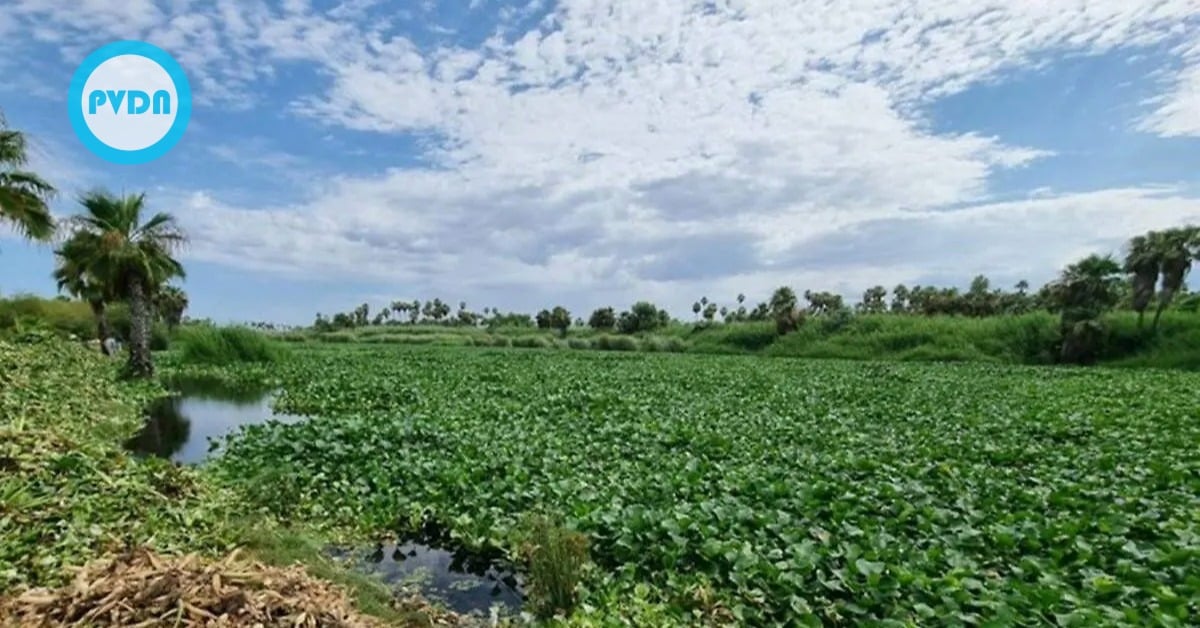
Los Cabos just approved a refreshed roadmap to rescue the San José del Cabo estuary after years of fires, invasive weeds, and wastewater headaches. Officials say the five-year San José estuary plan focuses on cleaning the water, removing problem species, and preventing new burns. Conservationists have heard promises before, but this time the advisory council’s vote and a recent push to pull tons of weeds suggest a real start. The question now is pace and funding—and whether residents will see change this season.
Los Cabos moved a long-delayed rescue effort for the San José del Cabo estuary from talk to text. Local authorities say a five-year management plan is now in place to address the core problems: dirty inflows, invasive plants that choke habitats, lost freshwater, and the fires that continually reset the wetland. The estuary, located at the mouth of San José del Cabo, is protected as both a state ecological reserve and an international Ramsar site; however, it has struggled with recurring burns and chronic contamination.
San José estuary plan
City officials confirmed that the advisory council for the reserve voted to update the management program on September 30, setting a five-year horizon for restoration tasks. The measure now advances through municipal and state processes because it has statewide reserve status. The municipality’s environmental office has framed the update as a technical and participatory plan to guide weed removal, habitat restoration, and fire prevention, while improving water quality.
On the ground, cleanup crews have been busy. In late August and through early October, Los Cabos reported removing large loads of invasive vegetation—specifically, water hyacinth and related weeds—from lagoon areas, as part of an effort to open up the water and reduce fuel consumption. Recent tallies cite dozens of tons cleared in a single operation, with officials stating that total removals now reach into the hundreds of tons over several months. It’s a visible start that residents can see, even before the new plan’s paperwork winds its way through final approvals.
The stakes are obvious. Fires in the estuary have been frequent and controversial, with civil protection authorities acknowledging deliberate ignition in previous seasons. Each burn sets back bird nesting sites and feeds public suspicion that flames clear space for development pressure nibbling at the wetland’s edges. The plan’s promise to reduce fire risk, alongside weed control, is meant to break that cycle.
For hydrology, the plan’s focus on “water recovery” nods to a long history of fragile freshwater inputs and wastewater stress. Investigations in recent years have documented how a strained treatment plant and service gaps have pushed contaminated flows toward the wetland, while residents across Los Cabos struggle with scarcity and inequity in their water supply. Any durable fix will have to align with the estuary’s needs and broader water governance that extends far beyond reed beds.
Who’s responsible and what comes next
By design, the update places Los Cabos’ ecology department in a coordinating role under the reserve’s advisory council, with oversight from the state. The five-year window provides a clock: remove invasive plants, reduce fire fuel, stabilize water quality, and shore up sensitive nesting areas used by species like the least tern. Success also depends on practical know-how—techniques for knocking back carrizo and other high-fuel species are well documented in Mexico. Still, they require steady labor and monitoring to prevent regrowth.
Residents will judge progress by what they feel and see: clearer water, fewer smoky mornings, open channels where birds feed, and fewer headlines about another preventable blaze. The five-year San José estuary plan provides Los Cabos with a framework to deliver that. Now it needs consistent budgets, transparent milestones, and community reporting so people can measure whether the wetland is truly turning a corner.