Photos of a helicopter above Sierra La Laguna lit up social media in 2025. Now, a foundation says it has a conservation plan for private land within the reserve. It also confirms that Jorge Emilio González, “El Niño Verde,” is involved. Supporters promise science, guardabosques, and stricter rules for visitors. Critics hear a familiar pitch and ask for documents. The real story may hinge on permits, boundaries, and who controls access to the mountain.
A reserve that anchors the south
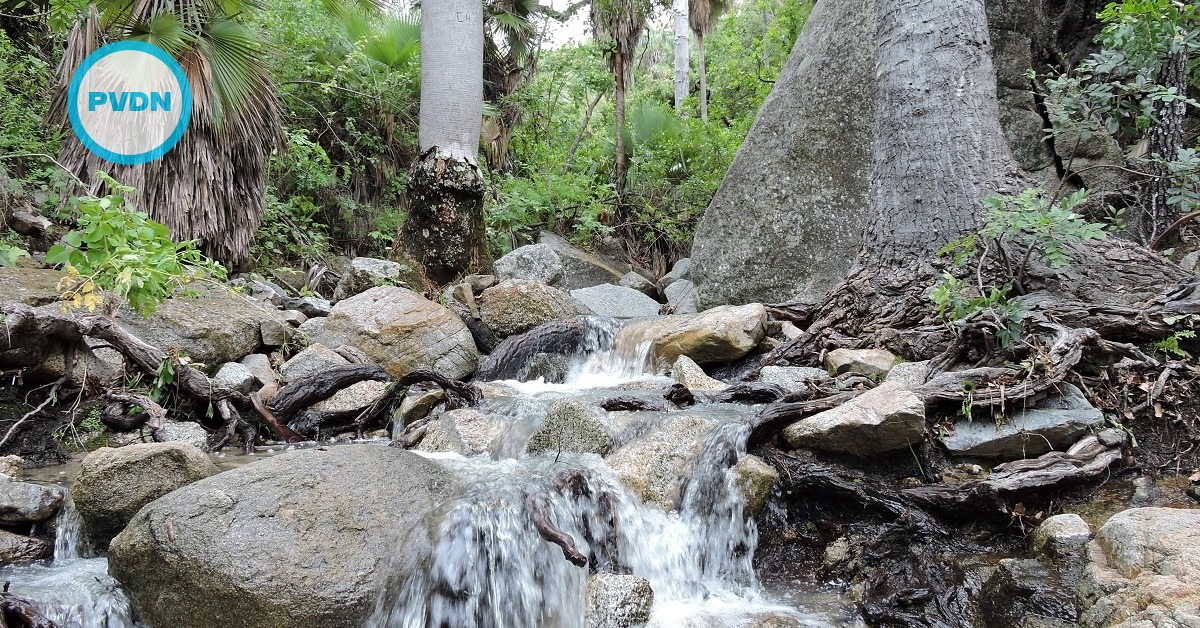
Sierra La Laguna is not just a pretty ridge on the horizon. It is a federally protected biosphere reserve. It was set aside in 1994 and spans more than 112,000 hectares between La Paz and Los Cabos. Up high, it holds the state’s only pine-and-oak forest. It is the peninsula’s water tower. Down below, its canyons and springs feed the aquifers that keep coastal cities alive through long dry seasons. That is why locals react fast to anything that hints at privatized control, new construction, or restricted access. In mid-2025, photos of a helicopter landing in the mountains landed like a match on dry brush. The unease grew after word spread of a property sale inside the reserve. The images revived old fears about “low-impact” promises that later grow teeth. For foreign residents who have made Baja California Sur home, this debate is not abstract. It touches water security and wildfire risk. It also tests whether protections can withstand money and political influence for years to come.
The foundation’s pitch
This week, a group calling itself Fundación Hermandad en Armonía stepped forward to say there is no hidden resort plan. On January 22, 2026, the group held a press conference in Cabo San Lucas. The public face was Dr. Carlos Esquivel Lacroix. He is a UNAM veterinary professor. He previously led Mexico City’s Agency for Animal Attention. The group said it has acquired Nuestra Señora del Rosario, a property inside the protected area. They framed it as long-term conservation. They talk about restoring habitat and tightening oversight. They also talk about hiring up to 50 guardabosques. Their materials also describe breeding and reintroduction work for wildlife. They pair that with stricter rules for visitors and guides. The clearest construction plan is tied to a separate site called San Miguelito. The group says it wants a conservation and wildlife reproduction center there. The site is described as about 95,000 square meters. Public plans describe laboratories and a veterinary clinic. They also mention training space, volunteer lodging, an interactive museum, and a dozen shelters. The foundation insists any infrastructure would be minimal, regulated, and tied to conservation.
Why “El Niño Verde” changes the mood
Even with that messaging, the project’s credibility problem starts with one name. The foundation has confirmed that Jorge Emilio González Martínez is involved. He is a longtime Green Party figure known as “El Niño Verde.” His presence makes it political, fast. He is not a technical unknown. He has held high-profile legislative roles and once led the Partido Verde at the national level. In Baja California Sur, that kind of political weight can feel less like support and more like leverage. Critics see a familiar pattern. Land changes hands, glossy language follows, and the public is later asked to trust the process. The funding structure has sharpened skepticism. It has been described as backed by donors who prefer not to be identified. Local ranching families also raise alarms about how community voices and images were used in promotions. They also question wildlife releases that could introduce non-native species.
Permits, zones, and the next test
The next chapter will be written less in speeches and more in paperwork. The federal decree that created the reserve draws hard lines. New public or private works are barred in the core zone. Projects in the buffer zone require prior environmental impact authorization. Private ownership can exist within the reserve, but owners remain bound by the management rules and conservation duties. Authorities have also tightened the rules on helicopters. After backlash in 2025, officials said commercial helicopter tourism would stop. Flights would be limited to emergencies and other authorized uses. If the foundation wants public confidence, it will need to share verifiable documents. That includes where San Miguelito sits within the protected zoning. It also provides permit requests and a biosecurity plan for any wildlife work. For residents—Mexican and foreign alike—the practical question is simple. Will this become a transparent conservation partnership, or a foothold for controlling access to the peninsula’s most important watershed?
With information from El Sudcaliforniano, HOY BCS, Noticias Cabo Mil, POSTA Baja California Sur, Diario El Independiente, Meganoticias La Paz, CONANP Decree, UNAM SIIA, CDMX Finanzas PbR, Cámara de Diputados SITL