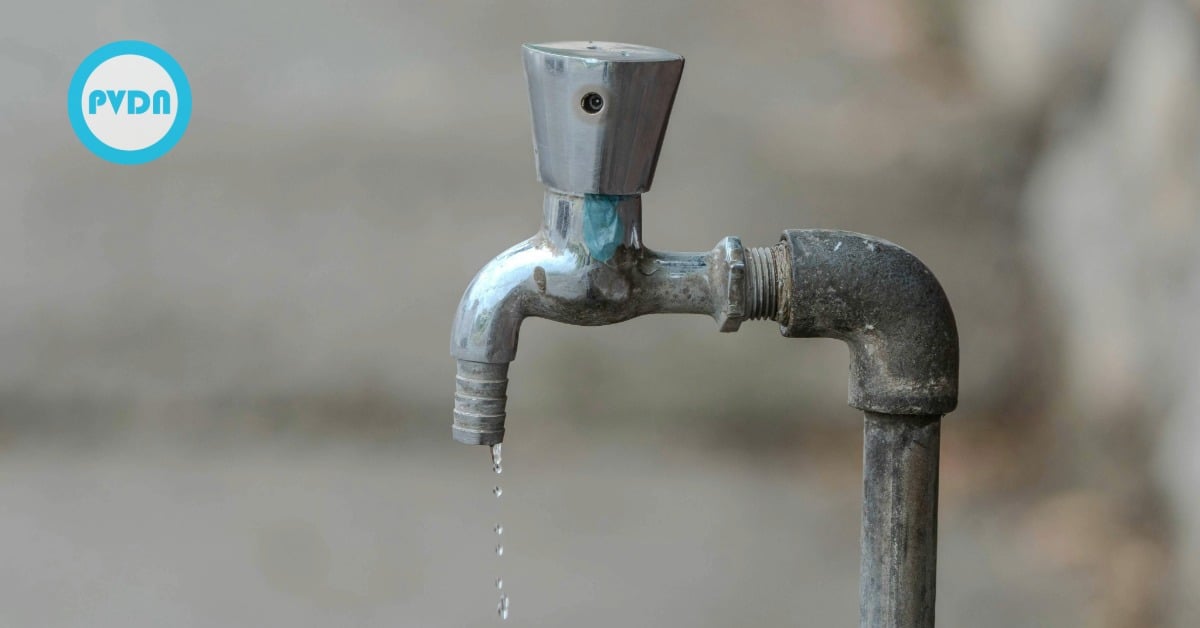
Residents in Cabo San Lucas report that their faucets hiss but fail to deliver water. For some, it’s been more than a month. The bills still land on the doorstep. Videos shared on neighborhood pages show air spurting from lines and tanks running low. The utility, OOMSAPAS Los Cabos, cites truck deliveries, metering projects, and a desalination upgrade, yet impatience is rising as the dry spell persists. We verified the claims, checked the timelines, and spoke through what’s working, what isn’t, and what comes next.
Cabo water outages
Neighbors in Cabo San Lucas say they’ve gone 45 days or more without water, yet billing continues as usual. A local report compiled social-media posts showing taps that dispense air instead of water, a detail that heightened frustration across several neighborhoods. The phrase many repeat is blunt: they’re selling air. The timeline and accounts align with a pattern we’ve observed for weeks in community groups and local coverage.
OOMSAPAS Los Cabos, the municipal operator, has implemented fixes, including meter sectors and updated padrones with 53,724 users in Cabo San Lucas, as well as emergency deliveries by water trucks. Those steps are real and on the record, but they haven’t eased daily scarcity for many families. Utility posts and partner materials confirm the user roll update and sectorization work, including Aqualia’s role under a public-private scheme.
Dry homes, loud feeds
The anger isn’t just about empty pipes. It’s about the math. Households describe paying on time while buying extra water from trucks. That double burden reappears repeatedly in residents’ videos and messages. We traced multiple posts from September showing lines of pipas and neighbors trading scheduling tips on WhatsApp and Facebook. The utility has also publicized “tandeo” schedules and emergency trucking to neighborhoods. The contrast between what’s promised and what arrives at the tap is driving the current backlash.
Local authorities argue that supply will improve as the desalination plant ramps up. This week, officials projected output could rise to about 180 liters per second by the end of 2025, up from roughly 60 lps received at handover—an increase that, if delivered, would matter on the margin but still trails fast-growing demand. Earlier reporting has documented chronic under-performance at the plant, reinforcing why residents remain skeptical until the numbers change at the meter.
Beyond outages, an equity problem
Zoom out and the picture gets starker. Reporting last winter showed that Los Cabos was split between neighborhoods that ration every drop and resorts with water-intensive amenities. That inequality is the backdrop to today’s outrage: workers face rolling shortages while hospitality zones stay lush. The piece also described how many households end up paying private truckers when public deliveries run late or not at all. That context helps explain why “selling air” struck a nerve—it names a daily indignity, not just a leak in a pipe.
Officials say metering, sectorization, and pipeline maintenance are underway, with OOMSAPAS posts showing work in specific sectors and calls to check schedules online. Those efforts, however, will be judged by whether water reaches homes consistently. Until then, the most persuasive evidence is still what people film in their kitchens: a hiss, a sputter, and then nothing. The policy story is complicated. The human story is simple. Water has to flow.