Calderitas has long been a local favorite for seafood and sunsets. This winter, it’s getting a seat at the big table. Tourism leaders are rolling out the Calderitas Quintana Roo promotion, a push to steer visitors toward the state’s south and five Maya sites nearby. The plan comes with real numbers and a clear bet on culture, nature, and easier access. If it works, hotel occupancy rises, money flows to small businesses, and a lesser-known coastline finally gets the attention locals say it deserves.
Calderitas Quintana Roo promotion
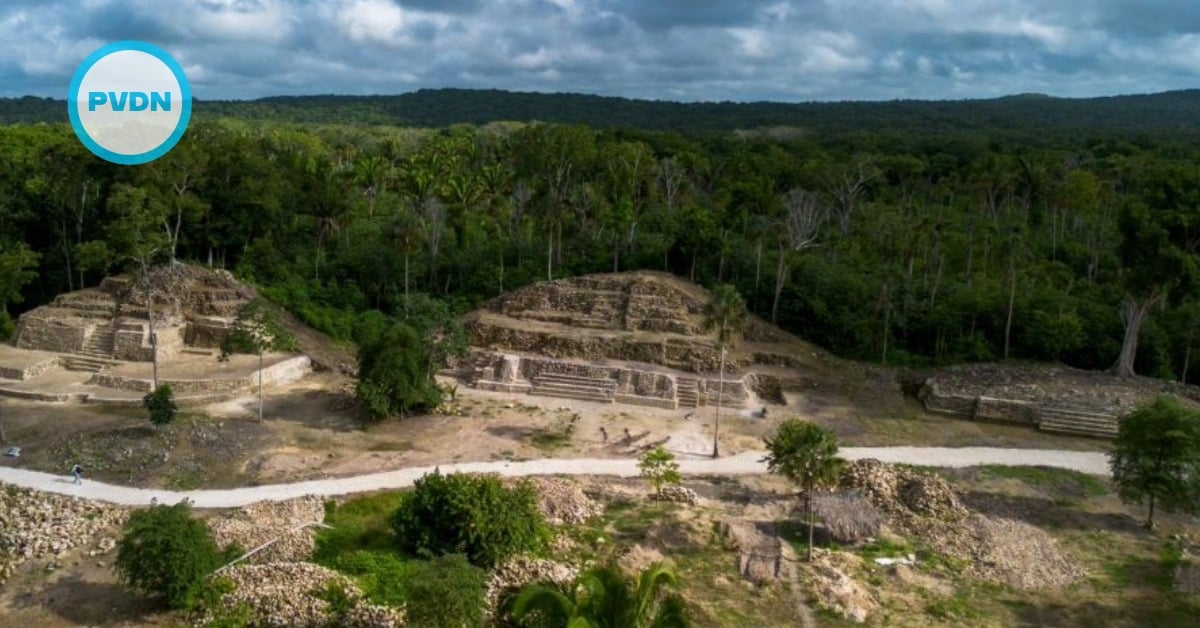
From Cancún, tourism leaders unveiled a winter push that puts the south of Quintana Roo on the marquee. The campaign centers on Calderitas—just 15 minutes from Chetumal—and five archaeological sites: Oxtankah, Dzibanché, Kohunlich, Chacchoben, and Ichkabal. Officials and hoteliers say the goal is simple and overdue. Bring year-end travelers beyond the usual northern circuit and give culture, cuisine, and lagoons their moment.
The strategy comes with targets. The state’s promotion council projects a 25 percent lift in high-season occupancy in the south, which typically sits near 40 percent, and more than 60 million pesos in winter revenue between December 2025 and January 2026. If achieved, that kind of shift would be felt on restaurant terraces in Calderitas and in the small tour outfits guiding families through temple plazas.
What will travelers actually see? Organizers describe a cultural-forward itinerary that pairs seafood lunches on the bay with half-day visits to Oxtankah and day trips deeper into the forest at Dzibanché and Kohunlich. The campaign playbook includes short-form video, digital activations, bundled packages, and a presence at national fairs—tools designed to turn curiosity into bookings. The official launch is slated for November, backed by municipalities in Othón P. Blanco, Bacalar, and José María Morelos, with more than 80 agencies on board, including partners from Belize and Guatemala. That regional angle matters; Chetumal’s airport and the land crossings have always been a quiet strength down here.
Industry leaders in the south have pushed for this shift all fall, arguing that the product is ready and the timing is right for a winter surge. Their pitch is pragmatic: lean into heritage, water, wildlife, and genuine small-town hospitality. It’s a bid to balance Quintana Roo’s map—and to keep more tourism pesos circulating where the stories and sites actually are. Reporting in early October echoed that momentum, with hoteliers saying they would fold Calderitas and Oxtankah into their seasonal promos.
Why this winter could be different
The archaeology is no longer a promise on paper. Ichkabal—long teased as a “new” giant in the Maya world—opened to the public in January 2025, after a landmark agreement with local landholders. That gives the south something rare: a recently opened site with serious scale, layered onto a route that already includes Chacchoben, Dzibanché–Kinichná, and Kohunlich. For travelers who’ve “done” Tulum, this is a fresh canvas.
Oxtankah, the coastal anchor closest to Calderitas, also returned to visitors after rehabilitation work tied to the federal program for archaeological zones. The improvements—paths, services, and conservation—help first-timers get oriented fast and keep the experience low-stress for families. Coverage at the time highlighted how the upgrade reintroduced a site with a big story and a gentle learning curve.
Even the travel plumbing shows promise. State data indicate that while overall airport traffic eased early this year, Chetumal bucked the trend with a small gain in the January–May window. That’s not a headline by itself, but it suggests the south can capture demand when there’s a clear offer and a clean itinerary. If promotion meets product, those marginal gains turn into nights in Calderitas and day tours to the ruins.
Locally, the private sector is not waiting on posters and hashtags. Hoteliers say they’ll chip in for better signs, access, and guest services at the sites. The pitch is collaborative: government buys attention; businesses close the loop with smoother wayfinding and bundled stays. It’s the kind of nuts-and-bolts work that makes a family of four feel confident renting a car or booking a driver. When the routes are obvious and the sites are “ready,” hesitation—the enemy of conversion—drops.
The core bet is that travelers want fewer crowds and more meaning. Pair a plate of lionfish ceviche with a walk through plazas where stelae still face the sun, and the south sells itself. If the numbers hit—occupancy up by a quarter, winter revenue topping 60 million pesos—the win won’t only be in hotel spreadsheets. It will show up in seafood shacks hiring extra hands, in new guides learning the trails, and in a different mental map for visitors who thought Quintana Roo stopped at the Hotel Zone.