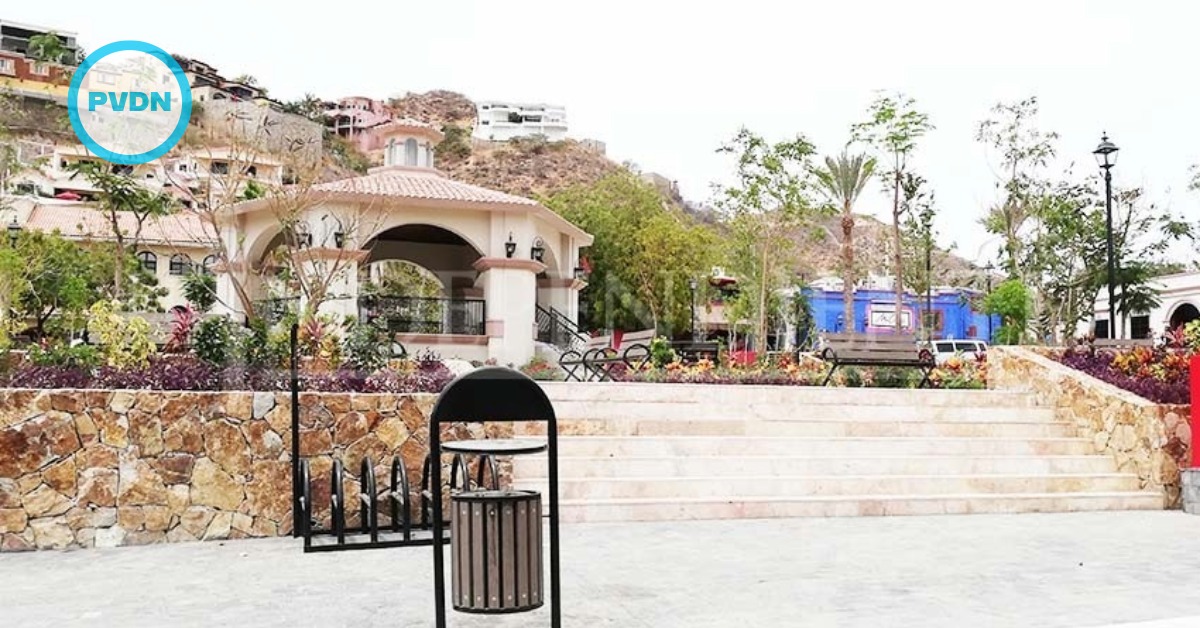
Cabo’s center has long been a place you pass through on the way to the marina. Now the city wants it to be a place you linger. A new first phase of Camina Cabo is carving out pedestrian-friendly pockets across three downtown zones, promising safer walking, cleaner streets, and more reasons to stop at local shops and cafés. The early plans sound simple, but the real question is how they’ll work once traffic, heat, and peak-season crowds hit.
A walkable reset for downtown Cabo
Los Cabos’ urban development office has kicked off the first phase of “Camina Cabo,” an initiative meant to make downtown Cabo San Lucas easier—and safer—to move through on foot. The stated aim is straightforward: create pedestrian spaces that feel comfortable for residents and visitors, and use that foot traffic to help revive commerce in the city’s core.
The rollout matters because Cabo’s downtown has a familiar problem for anyone who lives here, works here, or visits often: the distances aren’t huge, but the experience of walking can be. Narrow sidewalks, awkward crossings, and vehicle-first design can turn what should be a pleasant stroll into a stop-and-start obstacle course. City officials are framing Camina Cabo as a shift in priorities, putting the pedestrian back at the center of the street design.
Where the first phase is happening
For now, the intervention focuses on three downtown areas identified by the city: Lázaro Cárdenas, a section adjacent to Plaza Amelia Wilkes, and the Marina Boulevard corridor. The idea is to concentrate changes where they can have an immediate impact—areas with constant movement, heavy visitor presence, and a dense cluster of small businesses that depend on people wandering rather than simply arriving by car and leaving again.
That mix is exactly why the project is being positioned as both an urban mobility effort and an economic one. If walking feels safer and more inviting, people stay longer. And when people stay longer, they’re more likely to browse, eat, and spend in the neighborhood instead of treating downtown as a quick waypoint between the hotel zone and the water.
What officials say will improve on the street
Beyond carving out pedestrian-friendly space, officials have described a broader “fix what’s broken” approach to the downtown walking environment. In public comments about the broader mobility strategy, city leadership has pointed to issues that frustrate everyday walkers: sidewalks that are too tight, clutter that blocks passage, potholes and damaged pavement, and even infrastructure hazards that make walking feel risky rather than relaxing.
The language around Camina Cabo also emphasizes comfort, not just safety—an important distinction in a place where heat and glare can punish anyone who tries to do errands on foot at the wrong hour. The city has discussed a master-planning approach that looks at the full walking experience, including the details that make pedestrian areas actually usable, especially for older residents, families with strollers, and people with disabilities.
The business bet behind Camina Cabo
Camina Cabo didn’t appear out of nowhere. Local business voices have been pushing for a more lively, people-focused downtown for some time, and the concept has been tied to the goal of reactivating sales in the center. Earlier discussions around the project leaned into the idea of creating a street atmosphere that invites lingering—more like a place you choose to spend an evening, not just a place you pass through.
Part of that vision has included rethinking how the public right-of-way is used, with talk of allowing a more “open-air” dynamic that supports restaurants and storefronts, while still preserving pedestrian movement. Whether that becomes a defining feature of the pilot—or remains more limited and tactical—will likely depend on what the city’s final design prioritizes once the detailed plan is presented.
For residents and expats, the practical impact will be felt in small, daily ways: a shorter walk that feels less stressful, a downtown coffee stop that doesn’t require a car, a more natural route between the plaza and the marina. For business owners, the measure of success will be simpler: whether more people pass the front door—and whether they actually come in.
What to watch next
Officials say the project is currently at the “pre-project” stage, with a formal presentation expected before work ramps up as part of the broader downtown remodel planned for the coming months. That sequencing matters because the choices made on paper—where space is taken from cars, where crossings are improved, how pedestrian areas are protected—will shape how downtown functions day to day.
If the pilot is implemented with clear pedestrian routes, sensible traffic management, and attention to shade and comfort, it could become one of those changes that quietly rewires how locals and long-term residents use Cabo San Lucas. If it’s implemented unevenly, the risk is the opposite: confusion, pinch points, and a downtown that feels more chaotic rather than more walkable.
Either way, Camina Cabo signals something important: the city is publicly betting that downtown Cabo’s future isn’t only about moving vehicles efficiently. It’s about making the center feel like a place worth walking on purpose.