Jalisco officials and housing developers are looking at a new proposal aimed at one of the state’s growing problems: the lack of affordable social housing.
The issue was raised during a CANADEVI Jalisco meeting in Puerto Vallarta, where state officials, municipal leaders, and housing industry representatives discussed why lower-cost homes have almost disappeared from new construction in many areas.
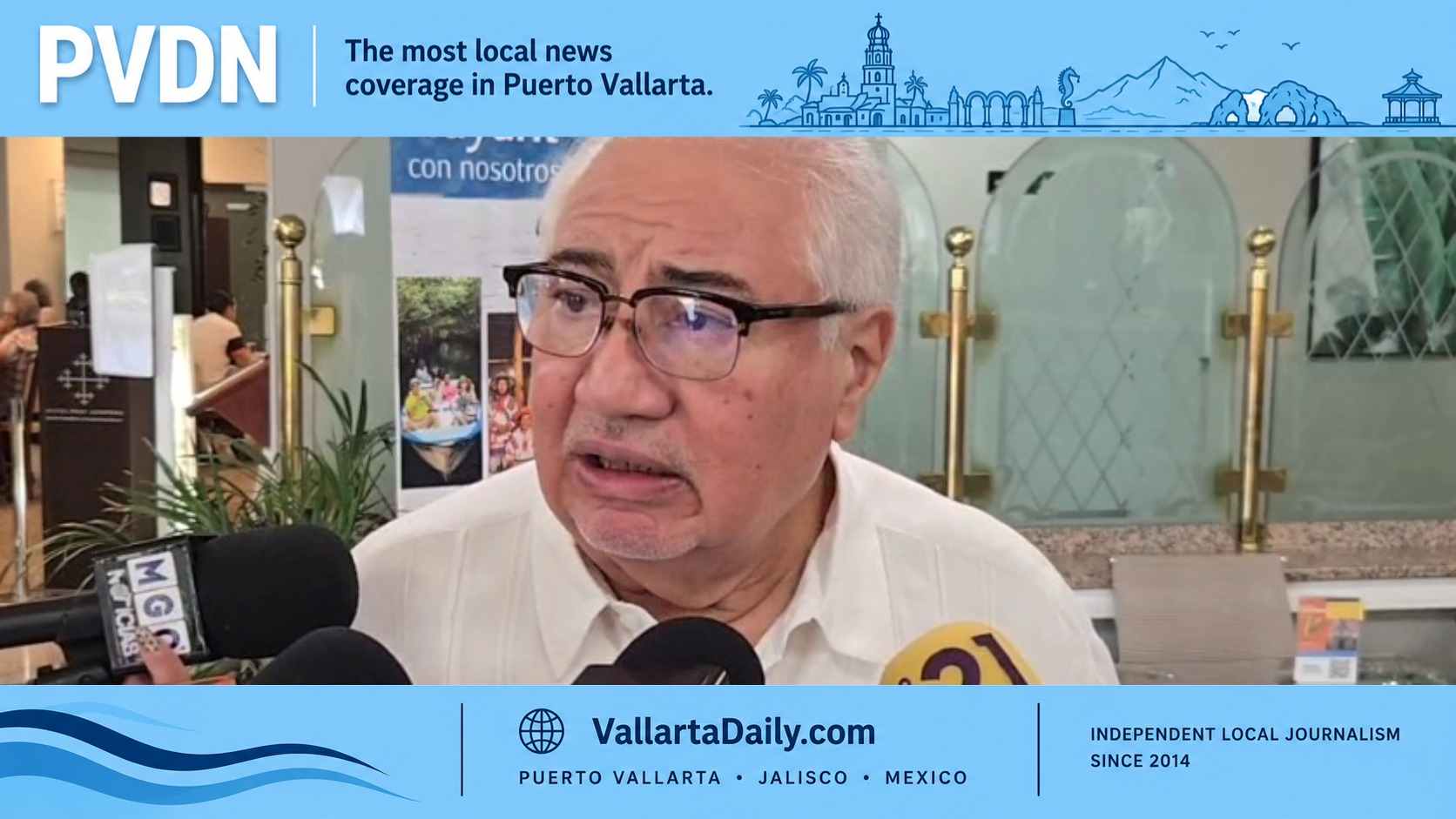
Governor Pablo Lemus said Jalisco faces a deficit of about 700,000 social housing units. He said the state will prepare an initiative to help lower the cost of building homes priced at up to 1.1 million pesos.
The proposal would focus on reducing some state and municipal fees tied to housing construction. Those costs can include permits, licenses, registration fees, and water-related charges. Officials said the goal is to make lower-cost projects viable again for developers while keeping final sale prices within affordable limits.
What the proposal would do
The plan discussed in Puerto Vallarta would allow discounts of up to 90% on construction permits and licenses for qualifying social housing projects.
The proposal would also include safeguards. Developers who receive the discounts would have to respect the agreed price limit. A bond may be required and applied if the developer fails to keep homes within the approved price range.
Another part of the discussion focused on water. In many Jalisco municipalities, developers must pay feasibility fees before projects can connect to water systems. Officials said those payments could be reviewed so that money collected from developers is used for infrastructure in the same areas where new homes are built.
The proposal is expected to be reviewed with CANADEVI before being sent to the Jalisco Congress. If approved, municipalities would still need room to decide how discounts are applied, since local governments control many permits and development charges.
Why social housing has become harder to build
For many foreign readers, social housing in Mexico does not always mean government-owned housing. It usually refers to homes built for lower-income or working-class buyers, often supported by public policy, credit programs, or reduced development costs.
Developers say the model has become much harder to make work. Land prices have risen. Construction materials are more expensive. Municipal procedures can take time. Water access is a growing concern. At the same time, many workers do not qualify for mortgages large enough to buy market-rate homes.
CANADEVI Jalisco said the decline has been sharp. In 2015, Jalisco built more than 60,000 new homes, and about 40,000 were in the social housing segment. By 2025, only 152 social housing units were reportedly built in the state.
That drop helps explain why state officials are looking at fees, density rules, public land, and developer margins together. Cutting one cost may help, but it may not solve the full problem.
Why this matters in Puerto Vallarta
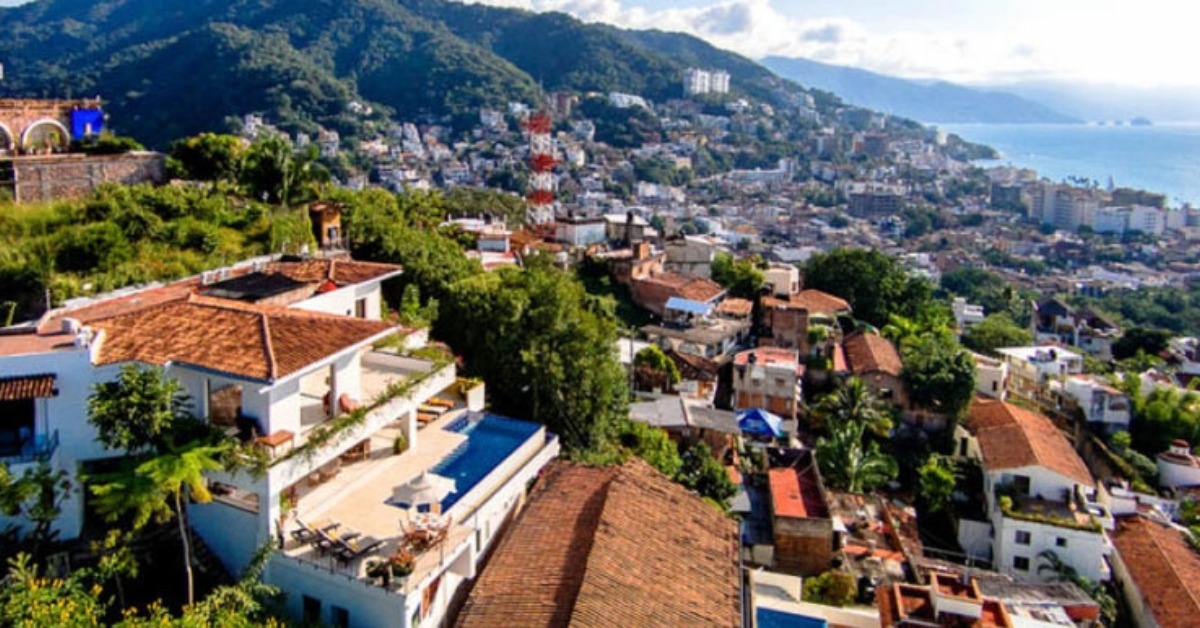
Puerto Vallarta is a clear example of the pressure behind the debate.
The city depends on workers in hotels, restaurants, construction, maintenance, transportation, health care, retail, and public services. Many of those jobs support the tourism and real estate economy. But the same economy has pushed up land and housing prices.
For residents earning local wages, buying a home near work can be difficult. When affordable homes are built far from job centers, families face longer commutes and higher transportation costs. That also affects employers, who depend on a stable local workforce.
The issue is not only about new houses. It is also about how Puerto Vallarta grows. More housing without infrastructure can strain roads, water systems, schools, and public services. But little or no affordable housing can push workers farther away from the city they help keep running.
That is why the proposal includes discussion of urban density, water infrastructure, and possible state-owned land. Officials also mentioned reviewing whether some housing could rise to five floors without elevators, which could reduce costs in certain developments.
The larger housing debate in Mexico
Jalisco’s proposal comes as Mexico is trying to expand access to housing nationwide.
The federal Vivienda para el Bienestar program aims to build 1.8 million homes during the current administration. It is focused on people such as low-income workers, women heads of household, older adults, people with disabilities, and Indigenous communities.
That national effort shows the scale of the problem. But housing shortages are not the same everywhere. Resort cities, border cities, industrial corridors, and major metro areas each face different pressures.
In places like Puerto Vallarta, the challenge is tied to tourism, land values, water limits, and the rise of real estate aimed at higher-income buyers. Affordable housing is harder to build when land can produce higher returns as luxury housing, vacation rentals, or commercial development.
That leaves local and state governments with a difficult balance. They must attract investment while making sure workers can still live near the communities where they are employed.
What happens next
The proposal is still not law. The next step is for the state government, municipalities, water authorities, and developers to define the details.
The most important questions will be practical. Which projects would qualify? How would the 1.1 million peso price limit be enforced? Would discounts be temporary or permanent? How would municipalities replace revenue lost from reduced fees? Would the plan include rental housing, or only homes for sale?
For Puerto Vallarta, the discussion could shape future growth. If the plan works, it may help bring lower-cost housing back into a market increasingly focused on higher-end development. If it falls short, the city’s affordability problem will likely continue to grow.
For foreign residents, the story is worth watching because housing costs affect more than buyers. They shape labor availability, neighborhood change, traffic, public services, and the long-term character of the city.