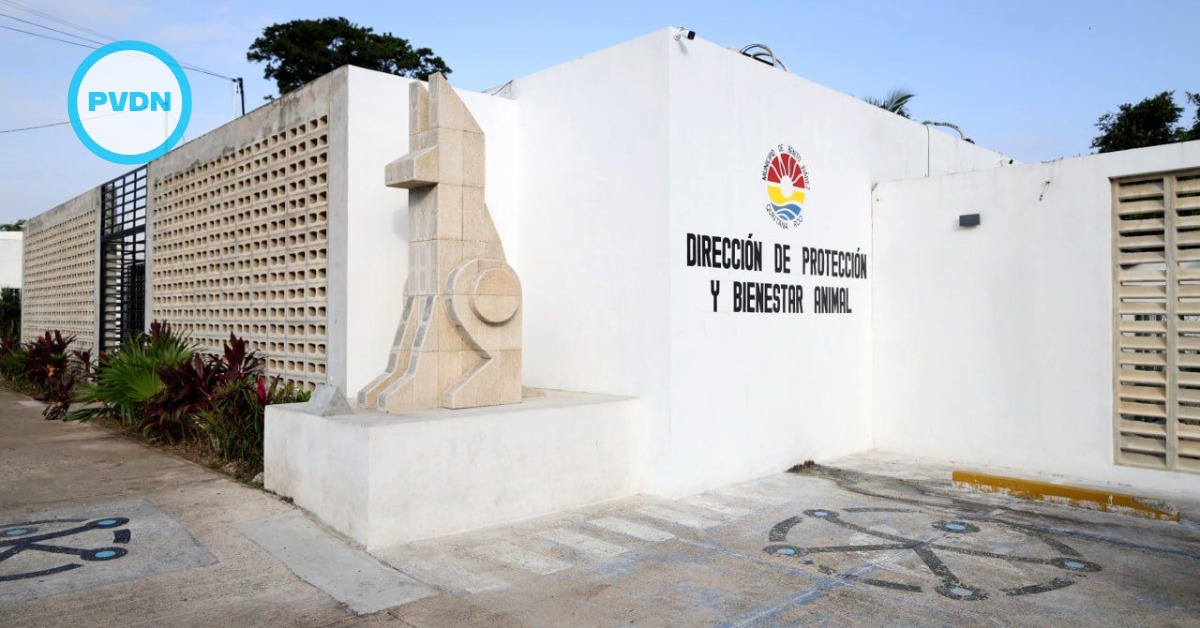
The City of Cancún is tearing down and rebuilding its approach to animal welfare. Mayor Ana Paty Peralta confirmed the removal of Yamili Góngora as head of the municipal Animal Protection and Welfare office and said a broader restructuring is underway. City Hall also closed the office and suspended services, citing an internal overhaul.
The mayor said performance fell short and signaled at least one more shake-up in the administration. She also pointed to outside help from local advocates, including Cachorrolandia, as the city retools its response to complaints, rescues, and public health work. A second outlet independently reported the dismissal with the same rationale and the plan to lean on civil groups during the transition.
Residents found doors locked at the Animal Protection offices on Thursday, with a posted notice explaining that services are paused while the unit is “renewed and restructured.” The closure means routine procedures—adoptions, sterilizations scheduled through the office, complaint follow-ups—are on hold until the reorganization moves from promise to practice.
Cancun Animal Protection
This is a high-stakes reset for Cancun Animal Protection, and the stakes are everyday and real. People call when a dog is beaten or abandoned, when a cat colony spirals, when a bite needs a rabies check, or when a neighbor’s neglect turns into a health risk. Cancún’s growth has outpaced many services, and animal welfare is one of them. The mayor’s pledge to open the door to nonprofits and citizen groups is welcome; the proof will be how fast cases are logged, triaged, and resolved.
Officials have argued the issue is “prioritario,” a word that demands timelines and numbers. What will success look like? Start with a visible plan for complaint intake and response times. Publish baseline data. Restore field inspections quickly, and be clear about what remains active while the office is shut. If sterilizations are paused at the building, partner venues can pick up the slack for now; Cancún’s network of rescuers and veterinarians is deep, and the city should use it.
The city says a full “transformación” of the unit is coming. Peralta’s comments point to a structure that keeps enforcement and education together but leans harder on community partners. In practice, that means training for front-line staff, standard scripts for callers, an inspection checklist that stands up in court, and an adoption pipeline that doesn’t stall when paperwork moves buildings. It also means clear boundaries with police and prosecutors when a cruelty case crosses into criminal law.
Cancún was already positioning animal welfare as a priority this year. In July, the city announced that construction of a new municipal Animal Welfare Center would begin before year’s end—an investment meant to expand capacity for care, sterilization, and adoption. If that project stays on track, the current disruption could be the painful bridge to a sturdier system. But promises of brick and mortar won’t help much if the service model inside the walls doesn’t change.
The immediate question is continuity. What should residents do today if they witness cruelty or need urgent help? The city has not published a temporary service map alongside the closure notice, a gap that adds friction to an already delicate moment. This is where the collaboration the mayor touts can be put in writing: list partner clinics and hours, publish a hotline that routes to a live operator, and set expectations for response in emergencies versus nuisance calls. Even a one-page interim protocol would lower anxieties and save animals.
Cancún’s nonprofits will be watching for substance. Consultation must be more than photo-ops. Bring advocates into weekly case reviews. Give them line-of-sight on the backlog and the bottlenecks—transport, vet availability, legal follow-through—and let them help solve those choke points. When community groups are treated as co-workers rather than critics, the city gets reach it can’t afford to hire.
What changes residents should watch
Watch for a phased reopening with dates. First, a public-facing intake desk or phone line that actually answers. Next, field inspections will resume on a predictable schedule. Then, a sterilization calendar that holds. Transparency on complaints, rescues, and outcomes is not a luxury; it’s the spine of trust. If Cancún wants residents to report more, it must show what happens after people speak up.
Also, watch how the city measures success. A raw count of “rescues” can hide slow response times or repeat calls. Better metrics include average time to first contact, percent of cases closed within 30 days, sterilizations completed, and the share of complaints that escalate to sanctions when required. Publish those numbers monthly. The city’s own pages already host tools like a pet registry and press updates; fold the animal unit’s new dashboard into that ecosystem and keep it updated. Cancún
Finally, watch whether the tone changes on the street. Humane work is logistics and law, yes, but it’s also culture. Outreach in neighborhoods, bite-prevention education in schools, and weekend adoption events build the kind of city where fewer animals end up in crisis and fewer residents feel ignored when they ask for help. If the overhaul delivers those small, visible signals—and keeps its promises on facilities and staffing—Cancún can come out of this with a service that matches its size and heart. For now, the city owes its people—and its animals—clear instructions and quick follow-through.