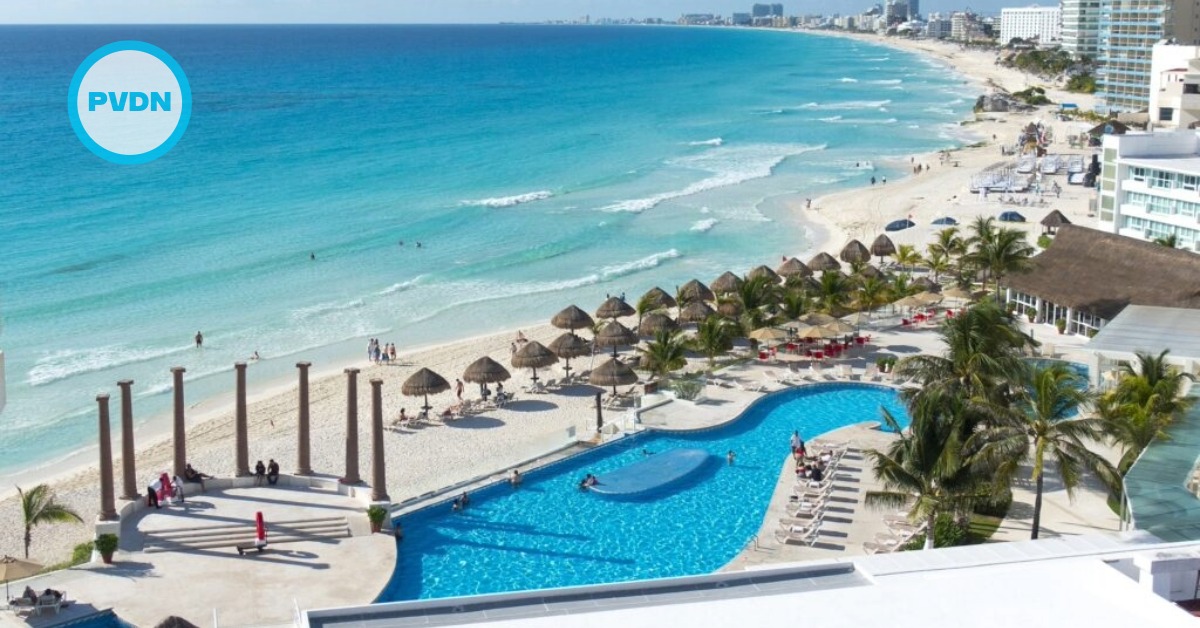
Activists in Cancún warn the Hotel Zone could lose its last meaningful entry points to the shore if the city locks in a zoning change that reclassifies public beach-access parcels as “tourist services.” On October 23, Defendiendo el Derecho al Medio Ambiente Sano (DMAS) said Fonatur initially set aside about 300,000 square meters for beach access and services; only about 7,000 remain, and those face the same risk if the label change stands.
DMAS says the city’s most recent land-use maps removed the pp (playa pública) label and switched some lots to “tourist services,” a category that enables subdivision and development. The group cites transparency records showing that Fonatur transferred Hotel Zone lots to the Benito Juárez municipality in 2024 and points to parcels by Las Perlas, Tortuga, Langosta, Delfines, and Marlin. Playa Linda, they add, is now functionally blocked by a parking facility next door.
Mexican law is clear: beaches are public, and access cannot be obstructed or conditioned. But a legal right to pass is not the same as a welcoming, serviced entrance with restrooms and safe parking. That is why these upland lots matter; they are where access becomes real for families.
Cancún beach access
The zoning debate arrives as the city updates its Urban Development Program (PDU). Environmental groups want the plan to restore public-use designations on those parcels and stop a drift toward hotel-oriented labels. The municipality’s transparency site hosts the PDU materials and shows prior iterations used to guide growth in the Hotel Zone.
Other local outlets have echoed the concern this week, noting warnings about “privatization by zoning” if public-access tracts are folded into tourist service areas. The through-line is simple: if the PDU cements that label, public space gets squeezed; if it restores pp status, the city must invest in safe, dignified entries. Several reports tie the stakes to Fonatur’s retreat from direct management and the transfer of assets to local authorities in 2024.
The discussion is not happening in a vacuum. Tulum’s recent fights over getting people to the shoreline show what happens when access relies on thin easements and inconsistent management. Residents there have reported inconsistent entry and rising fees around park areas, drawing national attention and pushback from local leaders.
What the next plan must decide
Business voices say they support free access but worry about how to fund better entrances and amenities. Hotel leaders in Quintana Roo have welcomed efforts to ensure beach access while urging that the responsibility not fall solely on private operators. That tension—who pays, who manages, and how—will sit at the heart of Cancún’s new plan.
For DMAS, the fix is straightforward: put the PP label back on the beach-access parcels in the new PDU and treat them as genuine public spaces, not leftovers. Their argument is less about slogans and more about whether a family can find shade, toilets, and a safe path to the surf. The decision the city takes in the coming weeks will tell residents whether Cancún beach access remains a right you can actually use—or one you have to fight for at a gate.