Ecology crews in Cancún marked the start of the blue crab run with a first-night count and a familiar warning: slow down at dusk by Las Perlas and Nizuc. Early rains have the mangroves breathing again, and the crabs are moving—females heading for the surf to release their eggs on lunar cues. Officials logged 135 crossings in the opening tally and say the heaviest nights often occur in early October when the moon and rain coincide. For locals, it’s routine; for crabs, it’s survival.
Bold start for the season. Cancún opened blue crab migration season with the first organized count of 135 crabs moving from mangroves to the beach, according to the city’s Ecology Department and local press. The night patrol focused on hotel-zone hotspots and aims to protect breeding females as they cross roads to reach the surf. Officials say early October typically brings the busiest nights as rains build and lunar phases align.
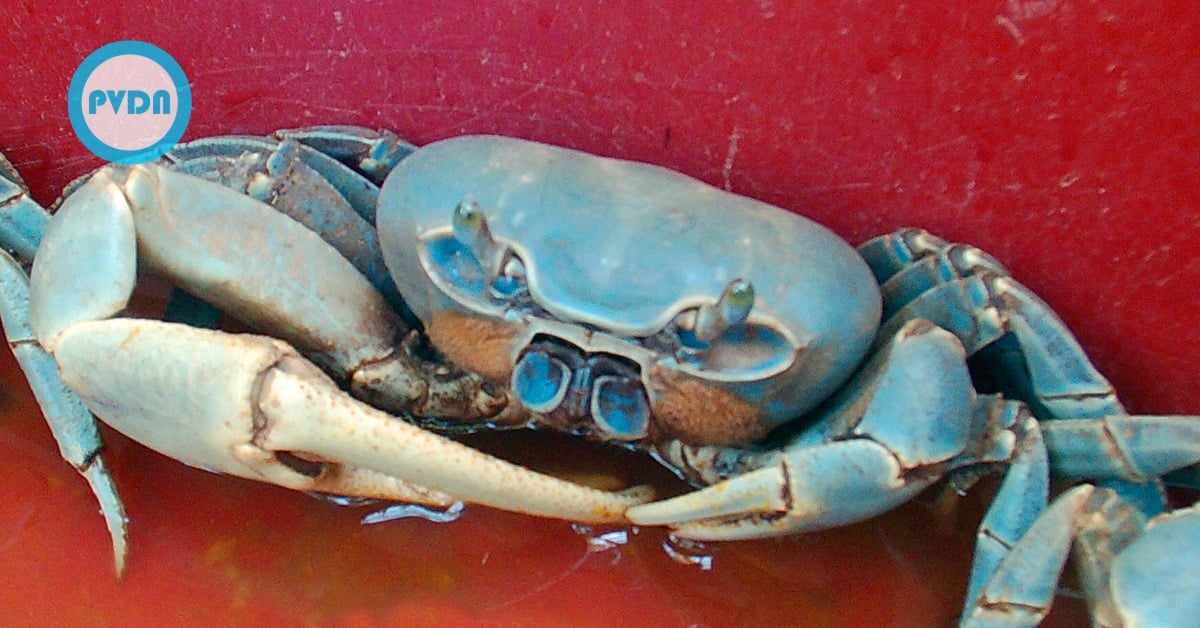
The species at the center of the effort is the blue land crab, Cardisoma guanhumi. Its life cycle hinges on seasonal rains and the moon: females carry hundreds of thousands of eggs and must reach saltwater to release larvae. Regional agencies across Mexico’s Gulf and Caribbean coasts consider the run a conservation priority because habitat loss and increased traffic make it a challenging journey.
Cancun blue crab crossing
City warnings went out ahead of the first run, urging drivers to slow after 6 p.m. near Las Perlas and around Punta Nizuc—typical crossing points where mangroves meet the road. The hotel zone sits within and beside protected waters, so patrols coordinate with park and municipal staff to shuttle animals across and keep tourists from interfering. The message is simple: let them pass, headlights low, no handling.
Opening-night numbers can be deceiving. A municipal update carried by local media stated that 135 total crustaceans were relocated in the first session, a tally that included both blue land crabs and a smaller mangrove species (Sesarma sp.). That nuance matters for trend-tracking, but biologists still watch the same cues: heavier rains, fuller moons, bigger runs. With showers returning, officials expect higher counts in early October.
What this says about the coast right now
The blue crab run is a seasonal postcard from the mangroves. When the crossings arrive on time and in numbers, it’s a sign that freshwater pulses, tidal flows, and vegetated buffers are still doing their quiet work. In Cancún, rapid urban growth has already pushed crabs to new paths, and conservationists warn the species is vulnerable when roads bisect wetlands. That’s why the city fields volunteers and police at dusk and why residents treat a scuttling line of crabs as a right-of-way, not a curiosity.