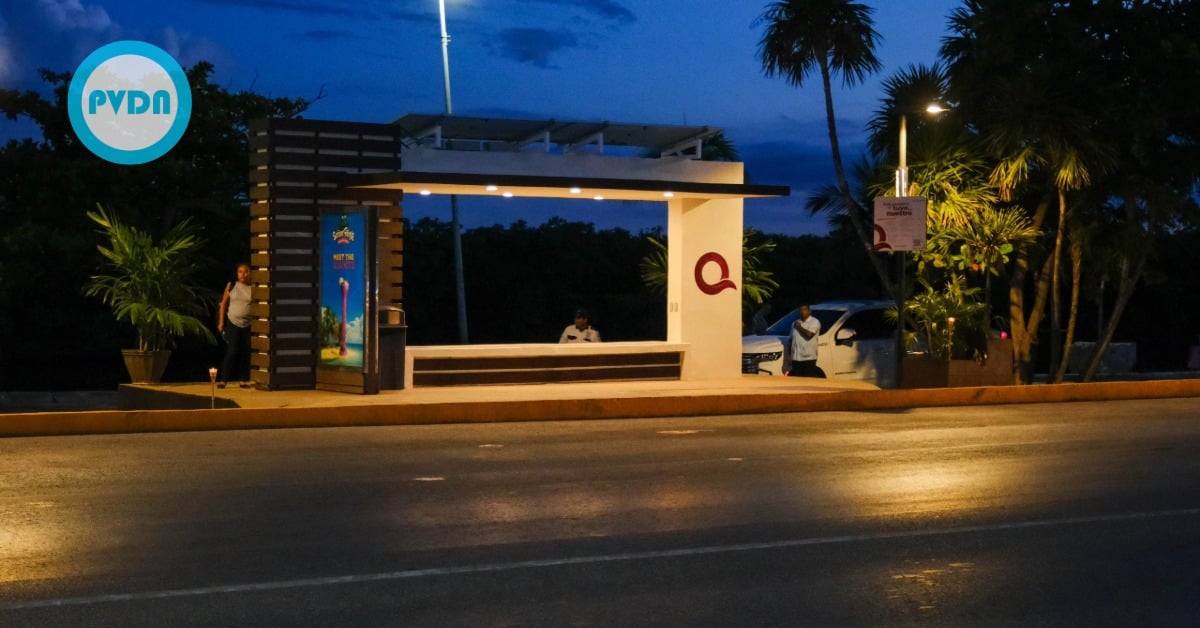
Tourists and workers who rely on the hotel zone buses will soon wait in brighter, better-marked shelters. The state says 42 stops along Boulevard Kukulcán are getting new lighting, accessibility features, and a refreshed look, plus a nearby photo landmark that nods to the destination’s identity. It’s everyday infrastructure, but in a corridor where thousands move at all hours, minor fixes add up. Here’s what changed, why it matters, and how it ties into a broader push to tidy up the heart of Cancún.
The state government says it is overhauling the bus-stop experience in Cancún’s hotel zone, upgrading 42 public transport shelters with stronger lighting and universal-access features along Boulevard Kukulcán. Governor Mara Lezama toured the corridor on September 18 with tourism officials to review the work and its finishing touches.
Officials frame the project as a safety and dignity play as much as a facelift. The state’s release highlights accessible design under a local “Distintivo Q” quality mark meant to signal universal access, comfort, and compliance with international tourism standards. That language sets a bar the public will expect to see on the ground—ramps that work, lighting that actually stays on, and clear wayfinding.
Cancún bus stop upgrades
The hotel zone already relies heavily on buses to transport a significant portion of its workforce and visitors. A stop that is bright, visible, and level underfoot is not cosmetic—it changes how safe a wait feels at 5 a.m. before a shift or near midnight after dinner service. The governor’s team says the program also ties into a refreshed “photo landmark” near the Monumental Flag and new architectural lighting at the Hemiciclo a los Niños Héroes, part of a broader image-and-safety push heading into the season.
The messaging is clear: clean up the wait, improve the ride. Photos and short clips on the governor’s social channels show the inspection and repeat the 42-stop figure, reinforcing the scope and the emphasis on lighting and accessibility. That matters in a corridor where transit shelters double as wayfinding points for jet-lagged travelers and lifelines for workers who keep the destination running.
There’s also a money story behind the curb appeal. The hotel zone’s upkeep has a dedicated trust, FOATQROO, which late last year signaled hundreds of millions of pesos for 2025 maintenance and improvements across the corridor. A bus-stop refresh fits neatly into that remit alongside resurfacing, sidewalks, and lighting—basic blocks that shape how the zone looks and functions.
The “Distintivo Q” claim will draw attention from accessibility advocates. Suppose the state is promising universal access and tourism-grade quality. In that case, residents will expect tactile paving where needed, curb cuts that meet chairs and strollers without a lip, seating at a reachable height, and lighting that covers the approach, not just the sign. The government’s own accessibility guidance stresses the economic and social stakes of inclusive design; this corridor is the test case everyone sees first.
What changes riders will notice
For most people, the first proof point is simple: light. A bright shelter changes the feel of a long wait and makes drivers more likely to spot riders in time to stop safely. Next is clarity—stops should be identifiably official, with consistent markings and space to queue without stepping into traffic. And then access—level entries, non-slip surfaces in the rain, and enough covered space that people aren’t forced to stand in the gutter. That’s the difference between a pretty amenity and a useful one.
The timing is strategic. Patriotic lighting and the new photo spot near the Monumental Flag sharpen the zone’s look as travel ramps back up. The upgrades won’t erase every pain point—crowded buses at shift change, drivers rolling past full stops—but they raise the floor for thousands of daily trips. If the work withstands storms and peak hours, it will feel less like a ribbon-cutting and more like a reset.
For now, the state has tied the effort to a familiar promise: safer, more dignified waits for people who live and work here, and clearer, brighter shelters for those visiting. If the Cancún bus stop upgrades live up to the pledge, they’ll make the city’s most visible corridor feel a little more looked after—and that’s the kind of improvement locals notice first.