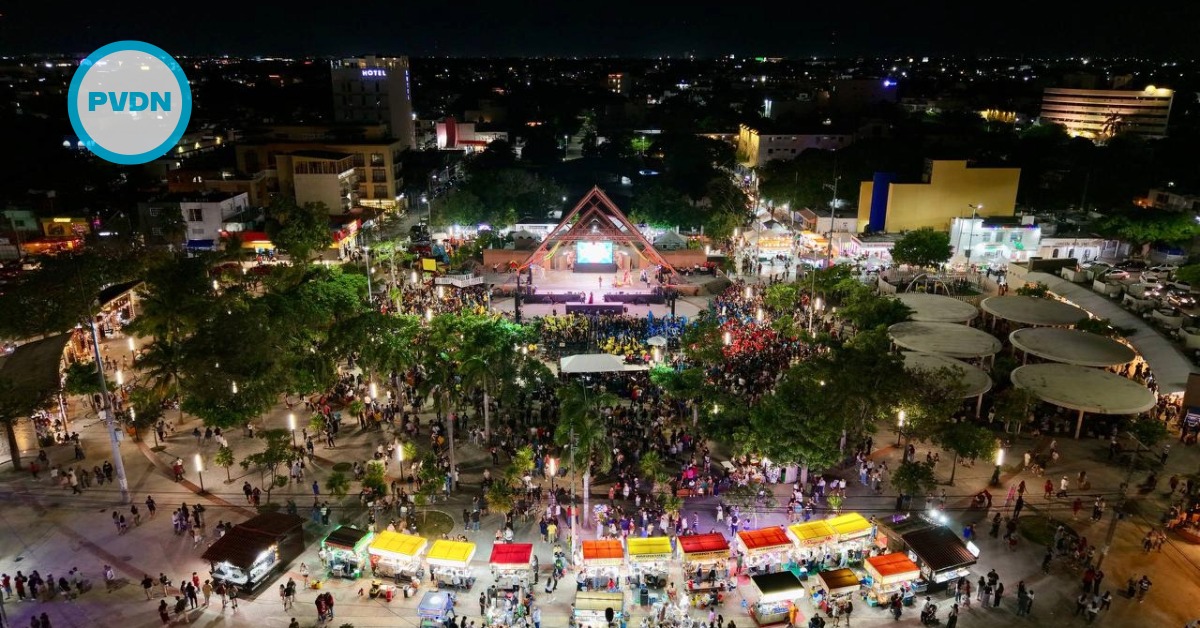
Cancún’s Carnival is spreading out this year. A waterfront park, a parade artery, and even a baseball stadium are in play. That mix promises bigger nights and new pressure points. City officials say they’re preparing a prevention-first safety operation before the crowds arrive. It includes inspections, daily deployments, and coordinated street control across the three zones. What will change for access, exits, and traffic once the music starts? And why was the stadium added to the plan? The answers matter to anyone planning to attend and to anyone trying to get home.
A safety plan built around three hotspots
With Carnaval Cancún 2026 approaching, Civil Protection in Benito Juárez is tightening its safety operations. The city says the main festivities run from February 12 to 17. Planning is focused on three hotspots where crowds can swell fast. Those sites are Malecón Tajamar, Avenida Bonampak’s parade route, and the Beto Ávila baseball stadium for the headline concert. Civil Protection director Antonio de Jesús Riveroll Ribbon says each site will get a tailored deployment. That includes inspections and on-the-ground teams. It also depends on tight coordination with the agencies responsible for traffic, security, and fire response. Municipal traffic units, public security, firefighters, and other city staff will support the plan. Officials say deployments will vary by venue and expected turnout. They are checking temporary installs before gates open. City Hall’s message is prevention first, not reaction, because small hazards can turn serious in minutes. The city expects large crowds, so officials want problems spotted early.
Different venues, different crowd risks
Crowd estimates explain why the city is splitting the plan by venue. Officials expect the main concert to be the largest surge. They say it could draw about 17,000 to 18,000 people inside the stadium. A contained crowd can be counted and funneled, and emergency lanes are easier to keep clear. The pressure point comes at the gates, and again when the show ends. The parade route on Bonampak is a different problem. It is long, open, and hard to police evenly. Officials say the route often runs from the Chichén Itzá intersection toward Tajamar. Civil Protection estimates 12,000 to 15,000 spectators and participants along the route. For responders, distance matters as much as headcount. Tajamar adds another layer, mixing shows with an open public space. Food and crafts areas can slow movement and create bottlenecks near walkways. The open route draws crowds across streets, sidewalks, and bus stops.
Daily deployments and inspections before the lights go on
Civil Protection says it will deploy about 45 personnel each day of the carnival. Staffing can be reinforced when turnout spikes. Much of the work starts before the first performance. Teams will inspect stages, scaffolding, and other temporary structures. They will also review key installation points and access areas. Officials say those checks reduce risks once the crowd is dense. During events, Civil Protection plans to work alongside other city units. That includes traffic officers, public security, firefighters, and municipal volunteers. Crews will watch for crowd surges, slips, and small hazards near vendor areas. Riveroll Ribbon has highlighted the stadium setting’s advantage for the biggest show. A defined perimeter makes access control easier and speeds up response if something goes wrong. Officials say the stage layout will influence the allowed capacity and flow. Officials say the final setup will be tested carefully before opening night.
What locals and expats should watch for
For residents and expats, the most immediate impact will be traffic and timing around downtown. Bonampak is a key artery, and parade build-outs can trigger lane reductions or rolling closures. Detours can ripple into surrounding neighborhoods, especially at rush hour. Around Tajamar and the stadium, expect heavier foot traffic and tighter access points on peak nights. Security presence may feel more visible, and entry lines may take longer than usual. If you plan to attend, arrive earlier than you think you need. Parking and rideshares can slow down near showtime. Keep essentials light and stay alert in dense crowds. If you drive, plan a sober ride home, because checkpoints often follow significant events. Set a simple meeting point if you are with friends or family. Earlier carnival events in January already led to temporary closures near Parque de las Palapas. It’s a reminder that the fastest route home can change night by night. Checking official updates before you leave can save time and stress. In an emergency, 911 is the quickest route to help.
With information from Marcrix Noticias, Municipio de Benito Juárez, Noticaribe, Luces del Siglo, Quintana Roo Hoy