Cancún spent Independence weekend savoring heat and heritage. The first edition of the Cancún Chile Fair took over Malecón Tajamar with Chile-forward food, live performances, and family crowds. Organizers had promoted more than 50 stands and free entry from 4–10 p.m. over two days. A post-event tally put attendance above 5,000, hinting at a new anchor for the city’s growing calendar of public food festivals. Here’s what the fair delivered, why it matters for local culture and tourism, and how it fits a broader push to brand Cancún through cuisine.
Cancún Chile Fair
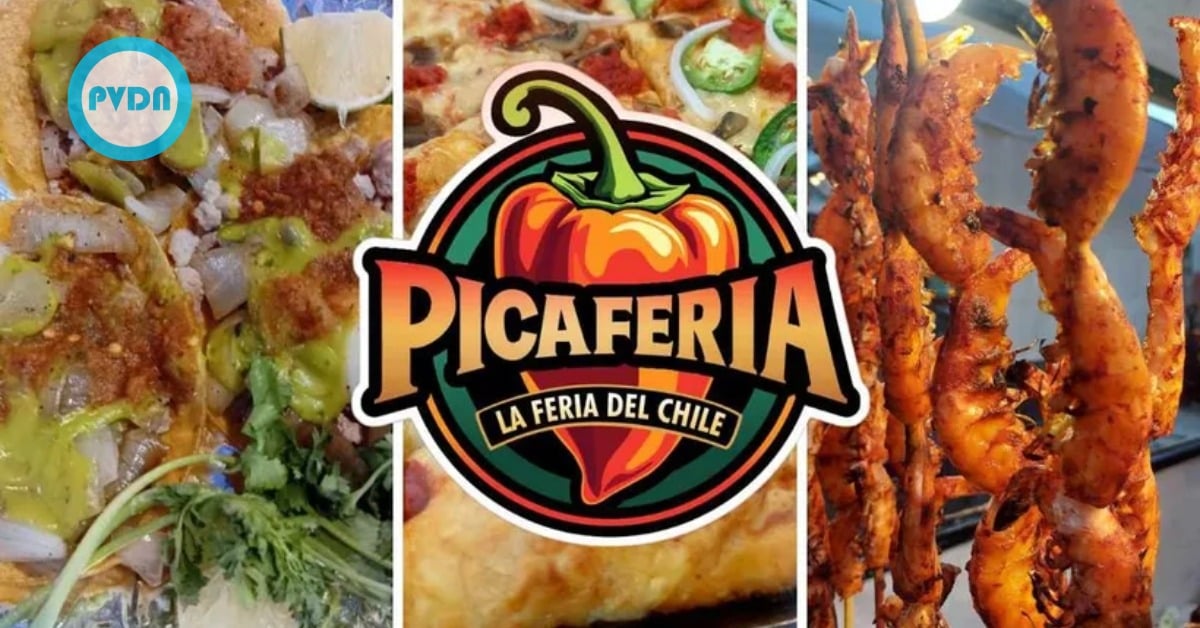
The first “Picaferia” or Cancún Chile Fair filled Malecón Tajamar on September 13–14, drawing thousands of residents and visitors during the patriotic weekend. Post-event reporting placed attendance at more than 5,000 people and highlighted a menu of Chile-centered dishes and desserts alongside a cultural program on the main stage.
In the days leading up to the fair, organizers and local outlets promoted free entry from 4:00 p.m. to 10:00 p.m. on both days, branding the event as the first “Picaferia” and flagging its family focus. Multiple notices listed Malecón Tajamar as the venue and emphasized a showcase of salsas, moles, antojitos, drinks, and sweets built around Mexico’s most emblematic ingredient.
What the crowds came for
Coverage ahead of opening described more than 50, and in some cases around 60, food exhibitors, signaling a sizable footprint for a first-time fair. That pre-event guidance matches what visitors found on the ground: Chile-forward offerings across stands, from classics such as chiles en nogada to novelty treats like jalapeño-marquesitas and habanero-driven preserves and sauces.
The program also leaned on live dance and music coordinated with the city’s culture institute, extending the draw beyond food to an evening paseo for families at the lagoonfront esplanade. That family-friendly frame was echoed across local notices and weekend listings.
Why Malecón Tajamar matters here
Malecón Tajamar has quietly become Cancún’s stage for free, high-volume public events. The city used the same space for Cancún World Fest in April, a multi-day cultural fair launched by the municipal government to promote the destination’s diversity. By hosting culinary festivals throughout the year, officials and promoters are establishing a rhythm of open-air gatherings that reinforce the city’s public-space identity beyond the hotel strip.
That strategy didn’t appear overnight. Since early summer, local organizers have rolled out a recurring calendar of themed food fairs at Malecón Tajamar—the Feria del Maíz in July, among them, signaling intent to position Cancún not only as a beach magnet but also as a casual, regional food hub.
Culture, chile, and the peninsula’s signature heat
Staging a chile-centered event in Quintana Roo carries a natural link to the peninsula’s most famous pepper: the habanero. The “Chile Habanero de la Península de Yucatán” received Denomination of Origin protection in Mexico on June 4, 2010. That recognition ties its name to the region’s soils and practices and underlines the pepper’s role in local identity and commerce.
Agricultural and academic sources track how production has spread across several states, including Yucatán, Campeche, Tabasco, and Quintana Roo, feeding domestic demand and exports. While volumes vary by year and methodology, the regional profile remains consistent: the habanero is a high-value crop and a defining flavor for the peninsula’s kitchen.
A fair that fits a bigger bet on food tourism
The weekend’s turnout suggests appetite for more. A post-event count of over 5,000 visitors indicates a strong baseline for a first edition, particularly given the crowded Independence calendar. Before the fair, some outlets even projected up to 10,000 visitors, an upper-bound estimate that illustrates the confidence promoters have in food-led programming at this venue.
The fair also aligns with a yearlong push to seed simple, walkable events that locals can adopt as habit: free entry, clear hours, and a family plan. Those design choices matter. They help turn Malecón Tajamar into a regular meeting point and tie Cancún’s tourism brand to regional flavors—cochinita, panuchos, marquesitas—and the peninsula’s signature heat. In that context, a chile fair is more than a novelty; it’s a statement about place.
Who’s behind it and what comes next
Pre-event notes identified the Circuito Gastronómico de la Península de Yucatán (CIGAPEY) as an organizer, with local cultural offices providing stage programming. Outlets also highlighted spokespeople such as Delmar Briceño setting expectations on breadth—“more than 50” stands and over 100 Chile-based products—while reinforcing the fair’s role as a platform for small producers. Those claims track with what visitors reported seeing at the esplanade.
If the city maintains its monthly, themed fairs at Malecón Tajamar, the Cancún Chile Fair has a clear growth path—whether by expanding exhibitor diversity, incorporating workshops on salsas and moles, or highlighting Denomination-of-Origin producers from across the peninsula. The lesson from this first edition is simple: open the space, keep it free, and let the food do the talking.