New study names Cancún disappointing destination as tourists face safety issues, scams and high prices in top global ranking.
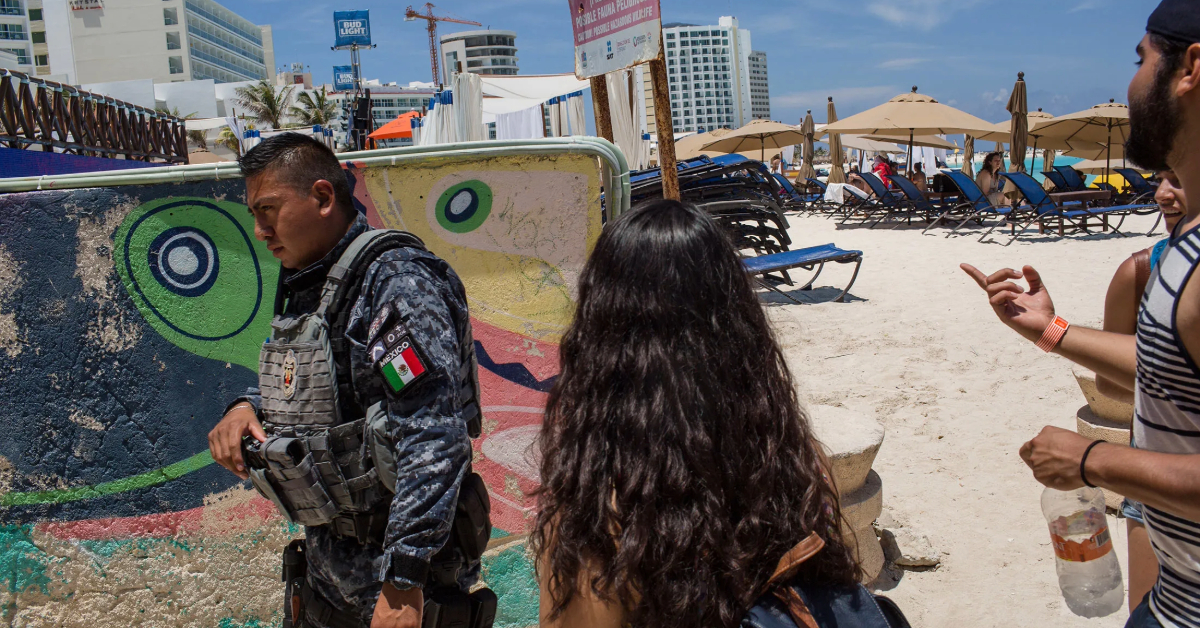
Cancún sits at the top of a new list of global travel letdowns after travelers reported feeling unsafe and frustrated by high costs and aggressive tactics. In its latest update, Radical Storage analyzed more than 100,000 Google reviews for the world’s 100 most visited cities. The findings place Cancún at the head of the Top 10 tourist disappointments, with 14.2 percent of reviews marked negative—more than any other destination.
The study, refreshed after the first half of 2025, flags four recurring complaints: insecurity, scams, inflated prices and pushy vendors. Seeing little authenticity or local culture, many arriving visitors find their expectations clash sharply with reality. While Cancún still ranks high for its beaches and resorts, the gap between promise and experience left a clear mark on traveler feedback.
Margaret, who traveled from Costa Rica, summed it up this way: “Honestly, we don’t feel safe. From the moment we got off the plane, we were harassed—first by those selling transportation at the airport; in the hotel zone, taxi drivers intimidate you if you choose any ride but theirs; now here at Mercado 28 it’s the same story. And don’t even get me started on prices—you walk a few blocks and find everything for half the cost.” Her review mirrors many others that call out double‑ and triple‑charged tour fees and constant hustling.
The study combined Google reviews collected since October 2024 with data from Euromonitor’s Top 100 City Destinations and Mastercard’s Global Cities Index. Cancún leads with its steady position at number one for several months, while nearby Playa del Carmen swings between eighth and tenth place. Tourists cite crime reports, overcrowded streets and pricing aimed at foreigners as the main reasons for their low ratings.
Cancún disappointing destination tops global list
Hotel workers on the front lines confirm what online reviewers describe. César, an employee at a Riu chain property, says he’s seen guests check out early after a single night. Some return only to pick up luggage before rushing to the airport. He also hears troubling stories of women facing unwanted advances or worse. “They don’t file reports,” he explains, “because they’re tourists. They’d rather leave quietly than deal with paperwork. Sometimes managers even cover up incidents to protect the hotel’s image.”
The term “Paris Syndrome” appears in the Radical Storage report to describe the shock some tourists face when their dream trip turns sour. That label refers to cases where visitors experience physical and emotional distress as reality falls short of their expectations. Cancún’s version of the effect underscores how a destination known for sun and fun can lose appeal if guests feel unsafe or overcharged.
Local authorities and businesses now face pressure to rebuild trust. Travelers suggest clearer pricing standards, stronger security measures and a crackdown on scam operations. Some tour operators have begun posting fixed fares at entrances to prevent airport and street-side overpricing. Others plan training sessions for vendors on fair business practices. Still, many hope for a more visible role from municipal officials and policing agencies.
As the peak season continues, Cancún’s tourism sector will watch closely to see whether visitor complaints translate into policy changes. For a city that thrives on good word‑of‑mouth, shaking the image of a “disappointing destination” will take swift and sustained action.
Cancun, tourism, safety, scams, prices, tourist reviews