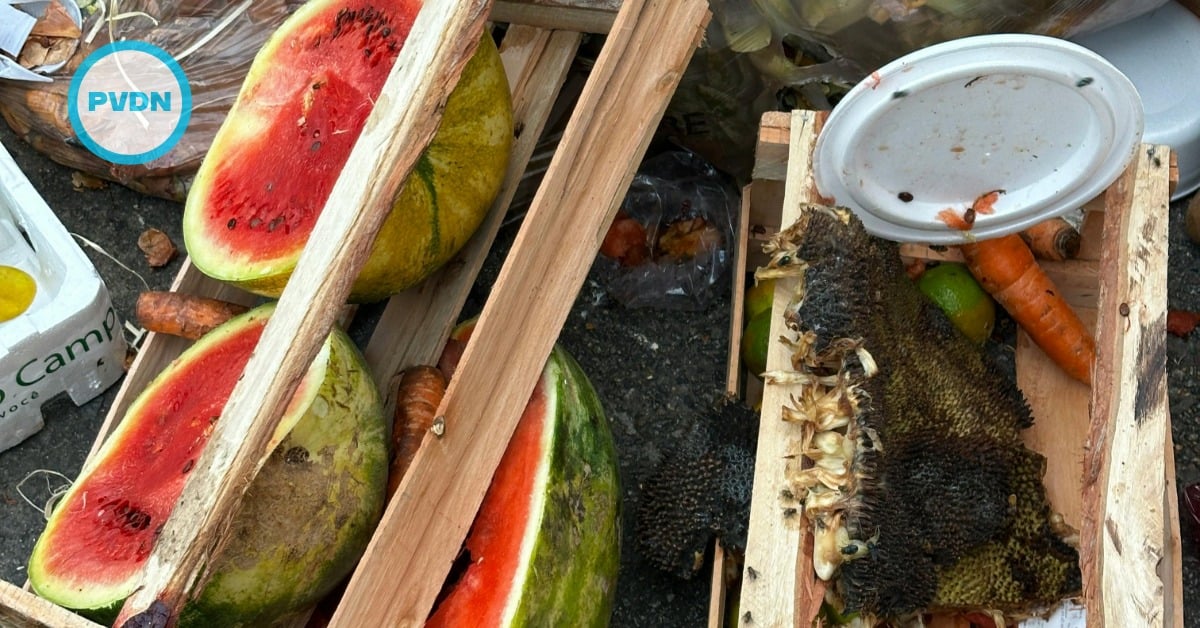
Cancún throws away more than 200 tons of food every day, even as hundreds of thousands struggle to eat well. A new snapshot puts the city near the top for household waste, with much of it still edible. Local groups are trying to close the gap with pantry deliveries and fresh funding. It’s a stark split-screen: resorts and restaurants on one side, hungry families on the other. The question now is whether data and donations can move the needle beyond good intentions.
In a city built on abundance, the number that lands hardest is this: more than 200 tons of food are thrown away every day, much of it still good to eat. A new roundup of local measurements puts Cancún second nationally in household food waste, with residents discarding about 260 grams per person per day, and nearly 60% of that waste in usable condition. The same snapshot points to a painful contrast statewide: over 550,000 people face food poverty.
Cancun food poverty
The numbers aren’t an outlier. Independent coverage this summer reported Cancún as second in the country for household food waste, with estimates ranging from “200-plus” to about 234 tons per day. Those stories trace the data to the local food bank and allied researchers, echoing the per-capita figure of ~260 grams a day in the city. The result is a paradox you can see at the curb: edible food heading to trash while many households juggle diet-related illness and empty pantries.
The picture fits a broader pattern. The UN’s Food Waste Index 2024 finds that households are the most significant source of food waste worldwide. It also links waste to lost climate progress, since producing and tossing food drives emissions at every step. That global context matters in a tourism hub where kitchens—from homes to buffets—set the pace of demand and discard.
Local fixes meet a national problem
On the ground, groups are closing small but real gaps. Integración para la Vida (INPAVI) says it’s increasing pantry deliveries for families led mainly by women working informal jobs and coping with diabetes or malnutrition. The organization is also coordinating with authorities and private donors after a new OXXO round-up campaign steered more than 300,000 pesos to expand food programs. It’s not a cure-all. But it stretches budgets, redirects edible surplus, and buys time for families living week to week.
Experts say Cancún’s waste is driven by household habits, poor storage practices, and the city’s rapid turnover of prepared food. The fix is rarely flashy. It’s better planning, cold-chain basics, and steady rescue of short-dated items—work local food banks already do daily. For a city that sells abundance, cutting waste while tackling Cancun food poverty is the only story that ends well.