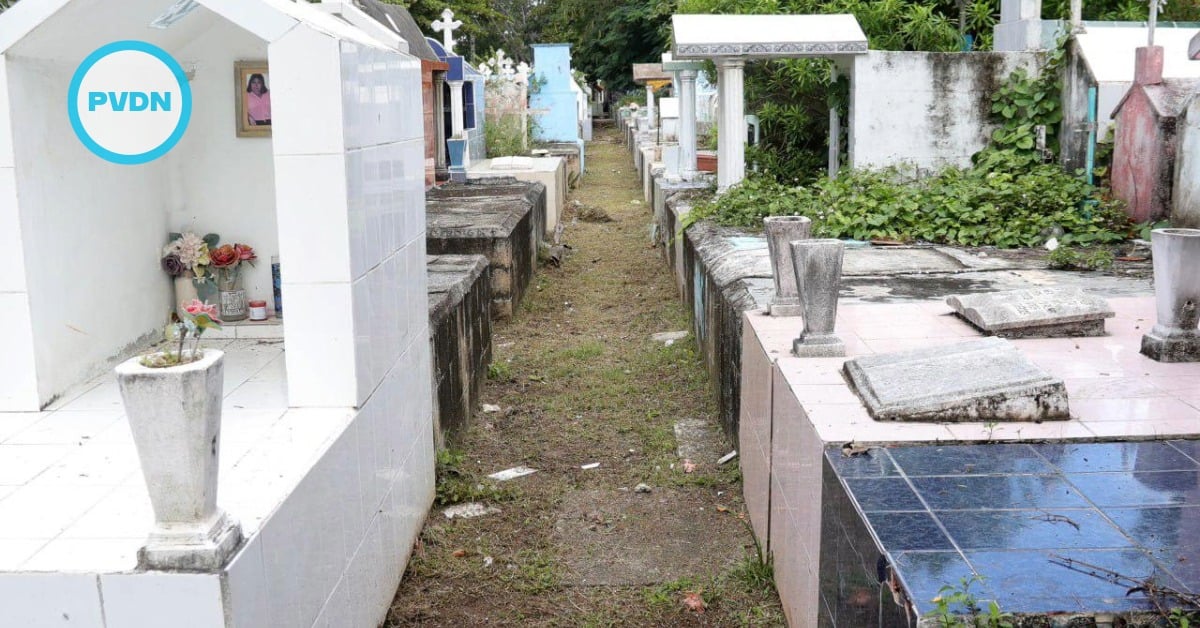
Behind the gates of Los Olivos, a gravedigger’s day looks simple from far away—tools, dirt, names on stone. Up close, it’s choreography and care: clearing brush, resetting vases, guiding families who arrive with flowers and quiet questions. As Cancún prepares for Day of the Dead, the cemetery stays awake through the night, and so does the work. This is where routine meets grace, where a city’s noise goes soft, and where one worker’s hands hold the line between farewell and memory.
Cancún gravedigger life
The day starts before the sun shows heat. He walks the rows and checks the ground with a practiced glance, a rhythm learned by heart. In Los Olivos, Cancún’s largest municipal cemetery, the work looks physical. It is, but it’s also emotional labor—meeting families at their most tender hour and keeping small promises that matter, like finding the right plot or brushing leaves off a name.
This week, the pace shifts. Day of the Dead is close, and the quiet is busier than usual. A recent profile by local outlet Quadratín captured the human side of the job at Panteón Los Olivos—routine, resilience, and a view of death shaped by years with the dead and the living who visit them.
He moves through tasks that rarely make the news. Paths need trimming. Mosquito-holding bowls of rainwater get emptied. Vases are reset so flowers won’t tip in wind. Families ask directions, sometimes to the same corner they’ve visited for years; grief scatters memory, and the gravedigger walks with them until they find the right stone. He knows when to speak and when to stay near and let silence do its work.
What Los Olivos is preparing for
Día de Muertos means long hours. Cancún authorities have confirmed extended access so families can come when they need to, even at night. In recent guidance, officials said Los Olivos would run on a special schedule during November 1–2 to accommodate overnight visits, part of the city’s broader preparations around the holiday. The aim is simple: order, safety, and time for families.
For workers inside the gates, that means more than unlocking doors. It means clearing the way for processions and candles, keeping lanes open for elders, and watching for small hazards that turn serious after dark. It also means emotional triage. People arrive with flowers and stories and sometimes with the rawness of a recent loss. The gravedigger’s job is not therapy, but the line between logistics and kindness blurs here. A hand points the way. A broom makes a space. The tone sets the room.
There’s another part of the job that hides in paperwork and rules. In Cancún, as in many Mexican cities, local regulations define how long a body rests in a municipal grave before families must renew rights or move remains to an ossuary. Benito Juárez’s cemetery rules set typical municipal inhumations at six years, with the option to renew or to hold in perpetuity when paid, and they outline how and when exhumations can proceed under health oversight. Those rules shape a gravedigger’s calendar as surely as any holiday.
The work changed after the pandemic years. Cremation rose in many regions due to cost and logistics, while cemetery routines adapted to new health requirements. Even as practices evolve, the role inside places like Los Olivos remains steady: keep dignity intact, whatever the volume, whatever the time of day. The tools haven’t changed much—shovel, broom, paint to refresh a name—but the meaning families read in those small acts hasn’t either.
When the night belongs to the living
As the city lights flicker on, Los Olivos gets its own glow. Families come with marigolds and photos. Children weave between graves with sugar skulls and candles. The gravedigger watches for wax pooling on a path that might trip someone later. He moves a bucket out of the walkway and answers a question he has answered a hundred times with the same care he gave the first: Where is Section 12? Where is my father?
Cancún’s decision to keep Los Olivos open through the night on November 1 and 2 acknowledges what locals already know: remembrance doesn’t keep office hours. The city’s announcement makes it official; the human need makes it necessary.
This is the part few see—the hours after midnight when the air cools and the noise thins. You can hear conversations you wouldn’t hear at noon. You can see how grief softens when families stand together. And you can see the gravedigger doing small things that add up: a swept step, a straightened vase, a quiet presence a few paces away. Cancún gravedigger life is not dramatic work. It is steady work that keeps love from tripping over itself.
By sunrise, the city will wake loud again. Inside Los Olivos, the rows will look the same to most of us. To the gravedigger, they will show new signs of care—fresh flowers, a candle stub, a photo taped back into place. Day of the Dead will pass, but the promise behind it stays. The dead remain part of the living. And there is always someone here to keep that promise tidy.