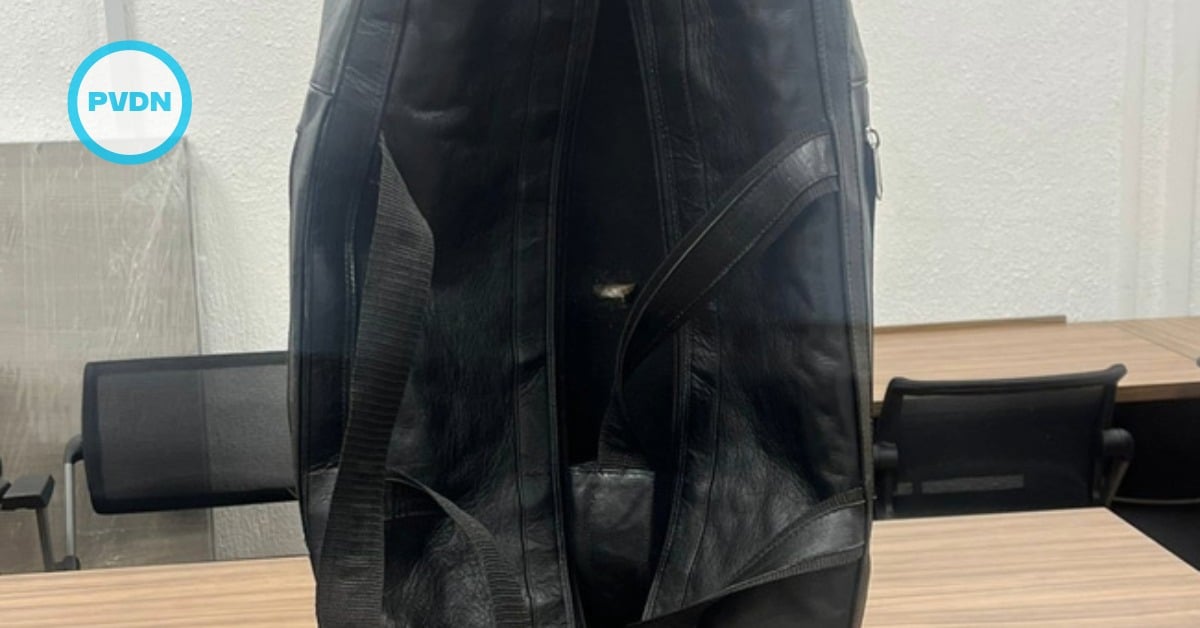
An X-ray scan at Cancún International tipped off National Guard officers to a suspicious suitcase headed for a Havana flight. A quick K-9 check confirmed it: a double bottom hid a packet that field-tested positive for cocaine. The traveler was detained and turned over to federal prosecutors while the substance was secured. Authorities didn’t release the person’s identity or the seized quantity, but the method fits a pattern seen at the airport in recent weeks. Here’s what we verified—and why it matters.
A passenger preparing to board a flight from Cancún to Havana was detained after airport X-ray personnel spotted irregularities in a leather suitcase on the outbound belt. National Guard officers, with a trained K-9 unit, inspected the bag and found a double bottom concealing a package that field-tested positive for cocaine, according to contemporaneous local reporting and summaries of the Guard’s communiqué. The traveler was read due-process rights and handed to the federal prosecutor’s office, along with the bag and substance, to determine charges.
Authorities have not released the suspect’s name or the precise quantity seized. What is clear from the reports is the timeline: anomaly detected at the X-ray station, canine “positive” alert, discovery of the false compartment, and on-site testing with specialized equipment indicating cocaine hydrochloride. That sequence aligns with standard airport interdiction protocols in Mexico’s federal facilities.
Cancún airport drug bust
Multiple outlets in Mexico and Cuba relayed details consistent with each other: destination La Habana, a suitcase with doble fondo, initial flag from X-ray personnel, and confirmation by a K-9 team. Cuban outlets citing the Mexican Guardia Nacional note the same chain of events and the transfer of the suspect to the FGR, while stressing that identity and quantity were withheld—again, typical in early-stage drug cases. This cross-check supports the core facts without over-claiming what officials have not yet disclosed. Cancún airport drug bust cases often move to sealed investigative phases quickly.
While the specifics here are restrained, the method is not new. False-bottom luggage remains a basic—if risky—smuggling tactic because it can beat cursory inspection but rarely survives modern scanners and K-9s. The airport’s screening routine, particularly for international departures to the Caribbean, has become more aggressive as interdictions increase and routes change. This seizure fits that pattern, and it suggests sustained pressure on opportunistic couriers rather than a sophisticated concealment scheme.
A pattern of tighter checks at CUN
The seizure comes within a week of a much larger operation at the same airport, where National Guard agents boarding a private flight from Guadalajara reported weapons, thousands of rounds, and dozens of narcotics packages. This incident underscored how CUN has become an active chokepoint for both commercial and private aviation. Although the Havana-bound case is smaller and details are thin, both events point to stepped-up inspections and a willingness to act before wheels-up.
There’s also a recent precedent for non-cocaine interdictions at CUN. In July, authorities seized roughly two kilograms of ketamine from a traveler after a scan found liquid concealed in bottles, a reminder that contraband spans multiple drug classes and concealment styles. Each seizure differs in scale, but collectively they send a message: X-ray anomalies are getting attention, and the airport’s layered checks—from imaging to dogs to field tests—are catching both crude and more inventive attempts.
Today’s case is modest compared with last week’s arsenal-and-narcotics haul. Yet, it is newsworthy for travelers because it shows how a routine X-ray and a binomio canino can upend a flight minutes before boarding. For authorities, it’s another datapoint in a string of interdictions that justify sustained scrutiny on outbound routes to the Caribbean. For the accused, the following steps move behind closed doors at the federal level, where the quantity, purity, and chain-of-custody will shape any eventual charges.