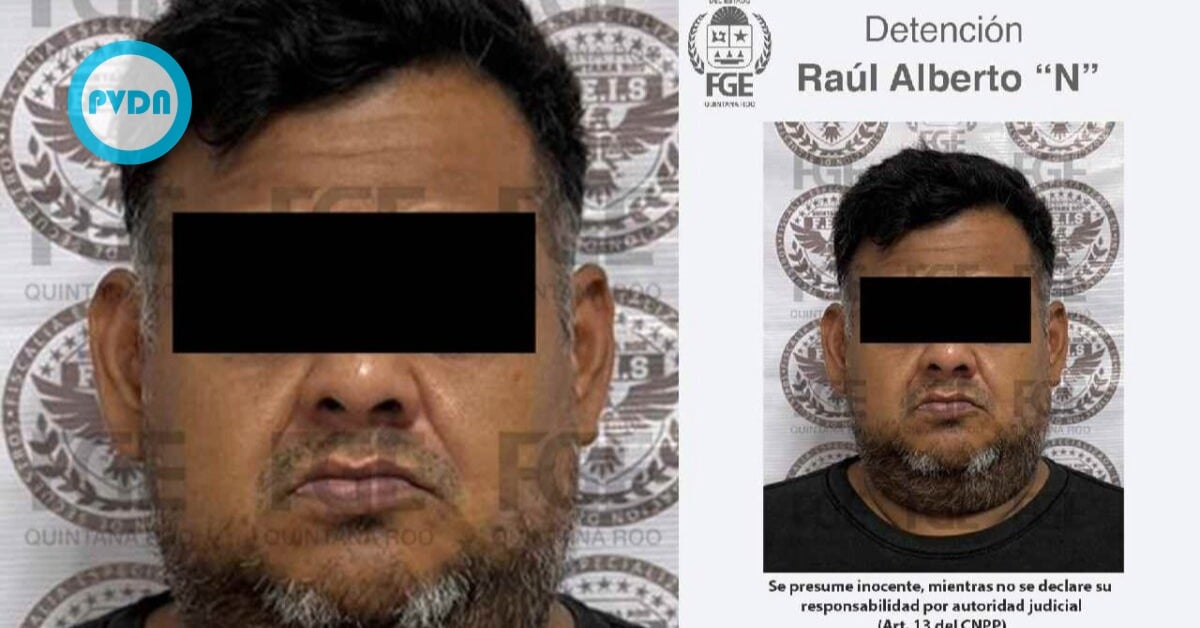
A woman was bound and beaten inside her home in Cancún’s Supermanzana 314. Thieves took luxury watches, documents, two SUVs, and—police say—drained about 500,000 pesos via transfers. Investigators traced one of the stolen vehicles to Yucatán and, with help from state authorities there, moved on a suspect. He’s now back in Quintana Roo before a judge. The case underscores how quickly high-value robberies can spill across state lines—and how soon that trail can lead back.
Cancún home invasion arrest
The woman didn’t open the door for strangers. They forced their way in. According to prosecutors, three men beat her with a gun, tied her hands and feet, and demanded the safe code and device passwords. It happened on September 15 in Supermanzana 314, a quiet pocket of Benito Juárez where home security is often as simple as a gate and a camera. Authorities say the crew left with luxury watches, gold jewelry, documents, two late-model SUVs, and then moved money—about 500,000 pesos—from the victim’s accounts.
Investigators in Quintana Roo say the break in the case came from the hardware, not the money. One of the stolen vehicles—an Audi—pinged in Yucatán. With that lead, they worked with Mérida-area authorities to locate and arrest a suspect identified as Raúl Alberto “N.” He was transported to Cancún and placed at the disposal of a control judge. The other alleged participants remain at large. Prosecutors stress the arrest is for probable involvement; charges must still be proven in court.
What the case says about cross-border policing
The details are striking, but the playbook is familiar. High-value burglaries often rely on the fast disposal or movement of vehicles and goods, but then a digital trail catches up. Here, police credit inter-state cooperation and vehicle tracing. Several local outlets reported the same timeline: a violent entry, the binding of the victim, the theft of two SUVs, and transfers from bank accounts—followed by a Mérida arrest after the Audi was found. That sequence and the inventory of stolen items have been consistent across multiple verified local reports.
Prosecutors in Quintana Roo also cite “privación de la libertad personal,” a charge Mexican law applies when a person is unlawfully restrained—even if it does not meet the full legal definition of kidnapping. That framing appears in the arrest announcement and subsequent local coverage. It reflects how Mexican penal codes handle violent home invasions that include binding or confinement without ransom demands. Expect that charge to remain central as a judge weighs the case in the constitutional term.
What comes next for victims and a city on edge
Cases like this ripple beyond a single block. Cancún’s residential supermanzanas have grown fast, mixing new wealth with uneven security. When thieves steal documents and vehicle registration papers along with luxury goods, victims face a second wave of risk: identity fraud and title scams. Prosecutors say the man now in custody will face a hearing to define his legal status. At the same time, investigators continue to look for the other suspects and any buyers for the stolen goods. For neighbors, the message is simple and unglamorous—tighten routines and report fast—because that’s how the digital exhaust of a getaway car turns into an arrest.