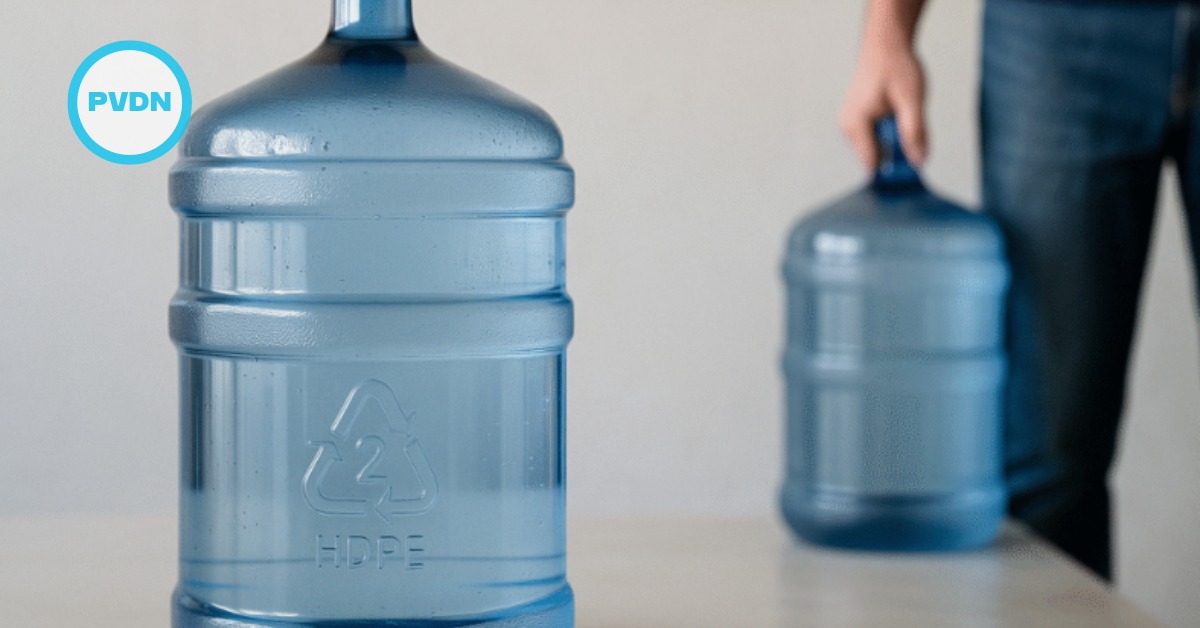
It’s the kind of detail you only notice when it’s missing: the garrafón by the nurses’ station. Inside Cancún’s main public hospital, staff say purified water deliveries stopped as the calendar turned, and the last bottles have already been emptied. Now, workers are pooling money, and families are being asked to arrive with extra water. The shortage has reopened old questions about day-to-day supplies, maintenance, and what happens when a hospital’s basics depend on paperwork and timing.
Purified water runs dry inside a busy hospital
Staff at the Hospital General “Jesús Kumate Rodríguez” in Cancún say they’ve been dealing with a shortage of purified drinking water in recent days, a problem that affects both employees and patients moving through the facility. According to workers who spoke out this week, the hospital’s bottled-water supply was tied to a service contract that ran through December. Once those last deliveries were used up over the weeks that followed, the hospital began the year with empty containers and no replacement stock arriving.
The result, staff say, is an improvised routine that feels out of place in a setting built around hygiene and predictable procedures. Some employees have reportedly paid out of pocket to keep drinking water available during long shifts. In other cases, families arriving to accompany a patient have been asked to bring extra bottles—sometimes for their own use, sometimes because there’s simply nothing to spare inside the building.
A basic supply that quietly shapes care
Purified water isn’t a luxury item in a hospital. It’s the small, constant thing that keeps patients hydrated, helps people take medication, and makes it easier for exhausted relatives to stay present without leaving the grounds to hunt for something safe to drink. For staff, it’s one of the few basics that can make a 12-hour shift feel manageable.
When that disappears, it adds friction everywhere: nurses and security guards stepping away to find water, families making extra trips, and patients relying on whoever has time to help. For many residents—including expats who may rarely use public healthcare—this is also a reminder that emergencies don’t always allow you to choose where you land. A car crash, a sudden illness, or a tourist-season surge can push anyone toward the nearest public facility, and the expectation is simple: the basics should be there when you arrive.
Bigger concerns behind a small shortage
The water problem is also being described by staff as part of a wider pattern of strain inside the hospital. Alongside the bottled-water shortage, workers have pointed to gaps in supplies and ongoing building issues, including bathrooms that have reportedly been out of service for months. Even when medical teams are doing their job, these kinds of failures can erode day-to-day operations and morale in ways that patients feel immediately.
As of Tuesday, there had been no public statement from health authorities addressing the reported shortage or explaining when regular deliveries will resume. What staff and families are asking for is not complicated: a clear answer, a quick fix, and the assurance that a hospital serving one of Mexico’s fastest-growing cities won’t be left negotiating basic needs one garrafón at a time.