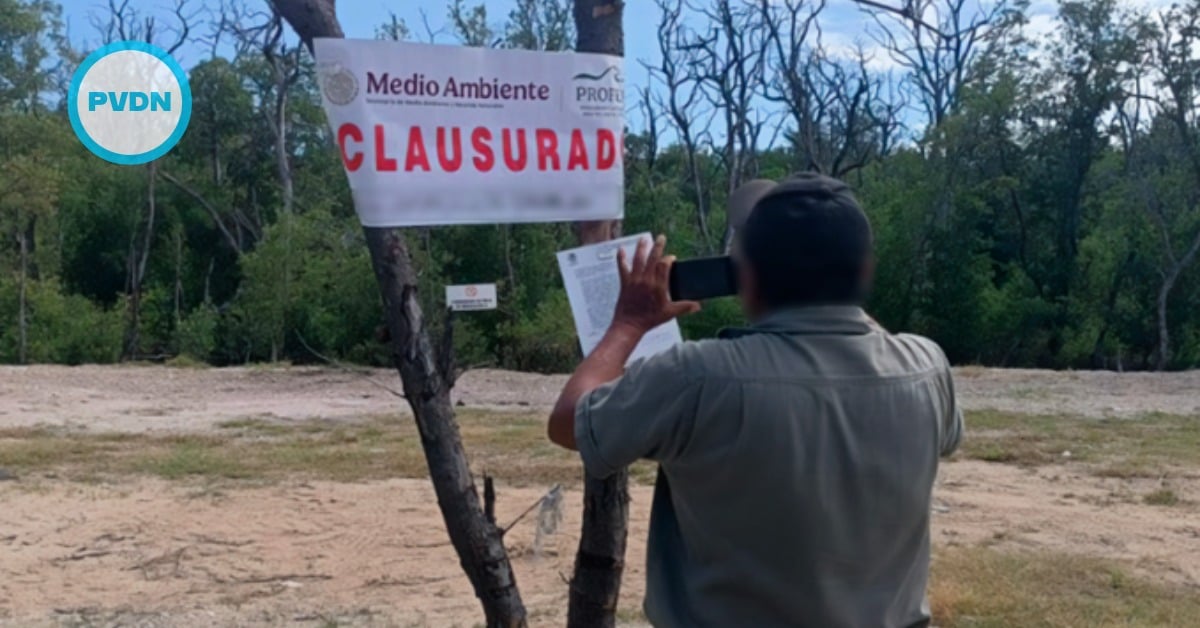
Unannounced checks were conducted at several construction sites in the hotel zone of Cancún this week as state and federal teams verified building permits and environmental compliance. Officials from Semarnat, Profepa, the Benito Juárez municipal government, and its Urban Development office moved site to site, reviewing documentation and opening administrative procedures where irregularities were found. The operation was framed as routine oversight to ensure projects remained legal and protected the coast.
The sweep comes on the heels of a broader federal push on Quintana Roo’s coasts. Profepa ran a late-October inspection drive in Isla Mujeres, Punta Cancún, and Punta Nizuc—ecosystems tied directly to the hotel zone—focused on safeguarding seagrass meadows and stopping unauthorized works. Nationally, that blitz logged 50 inspection visits across 14 states and led to 31 temporary partial or total closures for non-compliant projects, according to agency reporting.
This is not only about paperwork. The hotel zone sits between the Caribbean and the Nichupté lagoon system, bordered by two protected areas: the Parque Nacional Costa Occidental de Isla Mujeres, Punta Cancún y Punta Nizuc offshore and the Manglares de Nichupté inland. Those areas shelter reefs, seagrasses, and mangroves that blunt storm surge, anchor beaches, and support tourism. That proximity raises the stakes when builders expand docks, pour fill, or clear vegetation.
During Monday’s walk-throughs, authorities emphasized that inspections would continue randomly in the coming months. The goal, they said, is orderly growth that keeps Cancún competitive without degrading its environment. That message echoes a state line of “zero tolerance” for out-of-bounds work in high-impact zones like the hotel strip. Cancun hotel inspections are the visible end of that policy.
As context, Semarnat has also tightened the gate on new proposals. Over the weekend, the ministry denied environmental authorizations to multiple tourism projects in Quintana Roo, including the planned Restaurante Nikté-Ha at kilometer 16.2 of Boulevard Kukulcán on the Nichupté shore. Officials said the file lacked sufficient information on impacts from construction and a new small-craft dock. Readouts cited concerns about mangroves, wetlands, and seagrasses that underpin the local economy.
What officials looked for
Authorities did not list every file checked at each work site. But Monday’s operation focused on whether current builds matched their authorized scope and whether sites could document required approvals. The teams reported opening administrative proceedings where necessary and signaled that follow-up actions would depend on what the paperwork and on-site conditions show. Their message was straightforward: keep projects within permitted footprints and stay off sensitive ground.
That ground matters. Punta Cancún and Punta Nizuc mark the edge of a national park within the Mesoamerican Barrier Reef, one of the world’s largest reef systems. Inside the lagoon, Manglares de Nichupté functions as an urban mangrove reserve, with channels and wetlands that filter water, buffer hurricanes, and provide habitat for crocodiles, fish nurseries, and migratory birds. Building beside these systems requires extra care; even common practices—like anchoring in seagrass beds—can scar meadows that stabilize the seafloor and feed marine life.
Recent federal patrols underline the point. In the October operation, inspectors in Quintana Roo worked with CONANP and other agencies to verify works and order boats to heave anchor where seagrasses are present, a reminder that enforcement now extends beyond land-based jobs to activities affecting nearby waters. Those October actions set the stage for this week’s hotel-zone checks.
Developers reading the terrain see two tracks forming. Projects with clean files and disciplined site management can proceed. Proposals that expand footprints into the lagoon’s edge, dunes, or reef-adjacent waters face closer scrutiny and, increasingly, denials until promoters meet the technical bar. The weekend’s refusal for Nikté-Ha signals that the bar is higher now, especially where a dock or shoreline works could ripple through protected areas.
What happens next
Inspectors said the surprise rounds will continue across the hotel strip and city. For ongoing works, that means keeping permits on hand, ensuring activities match authorized plans, and adapting quickly if agencies flag issues. For residents and visitors, the practical outcome should be fewer rogue builds and more attention to the places that make Cancún a draw—the reef, the seagrass flats, and the mangrove lagoon.
If the recent pattern holds, expect more spot checks, more coordination among Profepa, CONANP, and municipal offices, and faster moves to suspend work that strays beyond what’s approved. The hotel zone’s future depends on growth that doesn’t undercut the natural systems that support it. Monday’s walk-throughs are one more sign that the rules on paper are being enforced on the ground.