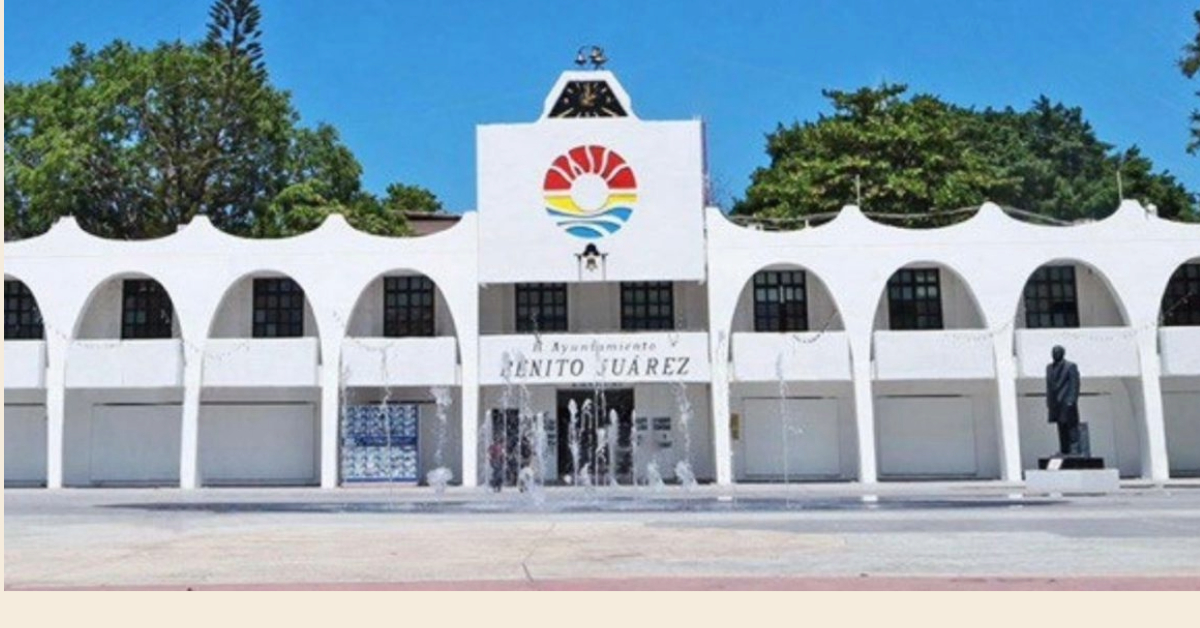
The Cancún Municipal Development Plan introduces 23 new programs and allocates 260 million pesos to expand basic services and support education, culture, and security.
The Benito Juárez City Council, under Mayor Ana Paty Peralta, has given unanimous approval to 23 programs crafted from the 2024–2027 Municipal Development Plan. Each department will now use these programs as a roadmap to guide its work over the next three years. The plans moved through a detailed review by the Municipal Planning Committee (COPLADEMUN) and earned final sign‑off from the City Council’s Planning Commission.
“These programs are our roadmap to transform Cancún with social justice and shared prosperity,” Peralta said, highlighting the plan’s four guiding principles: transparency, efficiency, a humanistic approach, and tangible results.
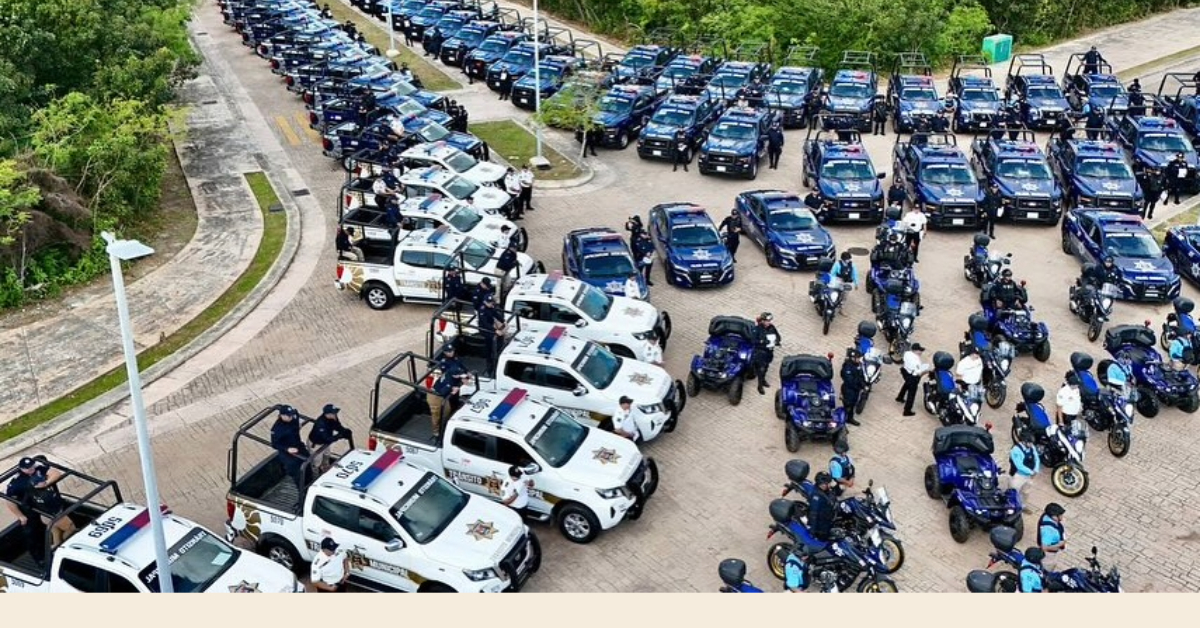
Cancún Municipal Development Plan Overview
Every approved program spells out clear goals, measurable indicators, and strategies that reflect the city’s priorities. Departments will report regularly on progress toward improving accountability and service delivery. In line with the transparency principle, performance data will be made available to all residents, aiming to build trust and encourage wider civic participation.
The efficiency principle drives the push to streamline processes, cut red tape, and make it faster for citizens to access services. Under the humanistic approach, the city will emphasize programs that boost social welfare, from health initiatives to community centers. The focus on tangible results means projects must show real improvements—whether that’s new water connections or better street lighting—in a way residents can see and feel.
Mayor Peralta noted that aligning every department under the same framework will help avoid overlaps and gaps. “We want to ensure each peso yields real benefit,” she said.
260 Million Pesos for Priority Projects
In a second vote, council members ratified changes to the Annual Investment Program, unlocking more than 260 million pesos for urgent neighborhood upgrades. Los Pinos and Diamante, two areas that have lacked basic services, will see new water and sewage connections, road repairs, and public lighting for the first time. Councilor María Gómez highlighted how these investments will improve daily life. “Residents will finally have continuous water and safer streets,” she said.
Land Donation for Education
The council also approved the donation of a plot in Superblock 203 to build new educational centers. This move paves the way for at least two primary schools and one community learning hub, aiming to ease overcrowding and bring classes closer to families.
Agreements on Culture and Modernization
Additional agreements cover cultural development, administrative modernization, and restaurant security. A pact with local cultural groups will fund public art and neighborhood festivals. A tech‑upgrade deal will introduce online portals for permit applications and payments, speeding up service times. And a new safety protocol for eateries will improve food inspection and staff training.
With these measures in place, Cancún’s leaders aim to strengthen citizen well‑being and boost urban development. Departments will meet quarterly to review targets and adjust strategies. Residents can expect to see initial works begin before the end of the year, with regular updates through community assemblies and the city’s online dashboards.