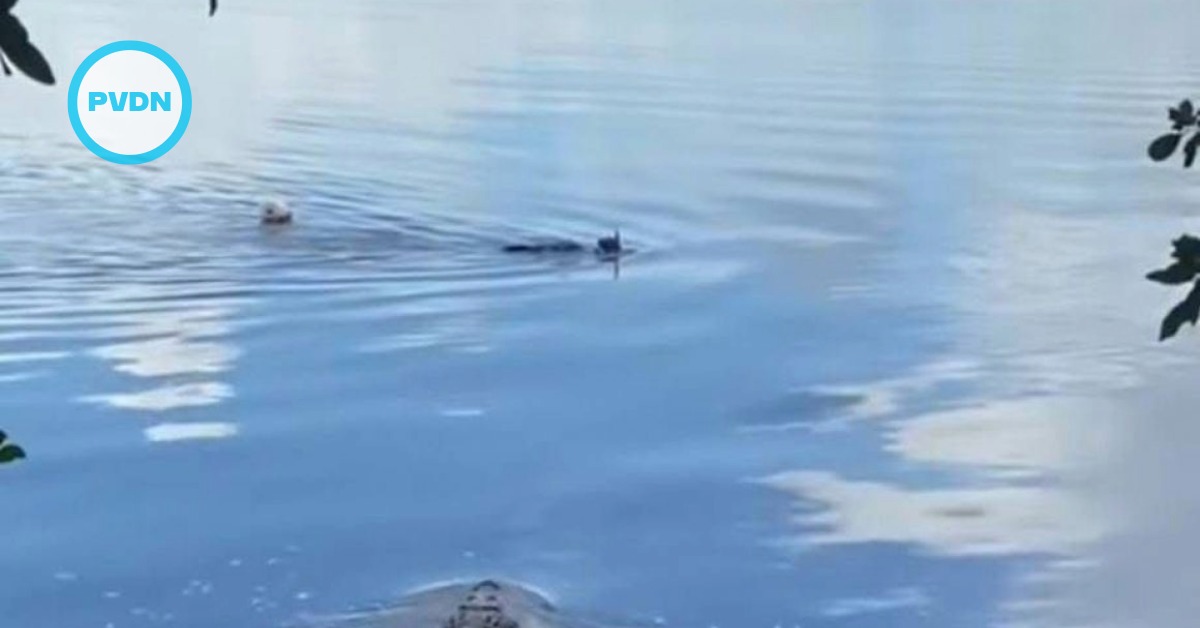
A video shared on Thursday, October 23, shows a man swimming in the Nichupté Lagoon as a crocodile closes the distance before lunging. The clip has spread quickly because it appears to be a near miss, though it does not confirm when it was filmed or what happened next. Local outlet Quadratín reported the clip and noted that the swimmer ignored posted warnings around the lagoon, where officials have repeatedly cautioned that crocodiles live and hunt.
Let’s keep two things straight. First, Nichupté crocodile attack is the phrase ricocheting online, but the clip remains an alleged incident until authorities confirm details like time, place, and injuries. Second, the underlying risk is real and well-documented. Nichupté and its mangroves form a protected wildlife area where American crocodiles are native and legally protected. That means people are the visitors in this environment, not the other way around. The federal parks agency describes Manglares de Nichupté as an urban mangrove system edging Cancún’s Hotel Zone—exactly where people tend to wander close to the water.
Authorities have repeated the same simple guidance for years: don’t swim in the lagoon; keep your distance from the waterline; respect the signs. Those signs exist because crocodile behavior is predictable near edges where prey—fish, birds, even pets—tend to gather. People in the water or leaning over the bank look a lot like opportunity. In plain language, the safest view of Nichupté’s wildlife is from the sidewalk.
Why officials keep warning about Nichupté
Context matters. Earlier this season, an American visitor suffered non-life-threatening bites after approaching the lagoon near Kilometer 11 of the Hotel Zone, reportedly to get a photo. That documented case—separate from the new video—ended at a local hospital and put fresh focus on the need to treat the lagoon like the wild place it is.
Officials have also signaled that they’re working to improve city infrastructure to serve wildlife and people better. In Tajamar, for example, environmental authorities said they would cut new openings in the perimeter fencing to let crocodiles return to the mangrove after they were spotted on the wrong side—footage that went viral earlier this year. Moves like that won’t eliminate risk, but they can reduce the moments when animals and people end up nose-to-nose on sidewalks and boardwalks.