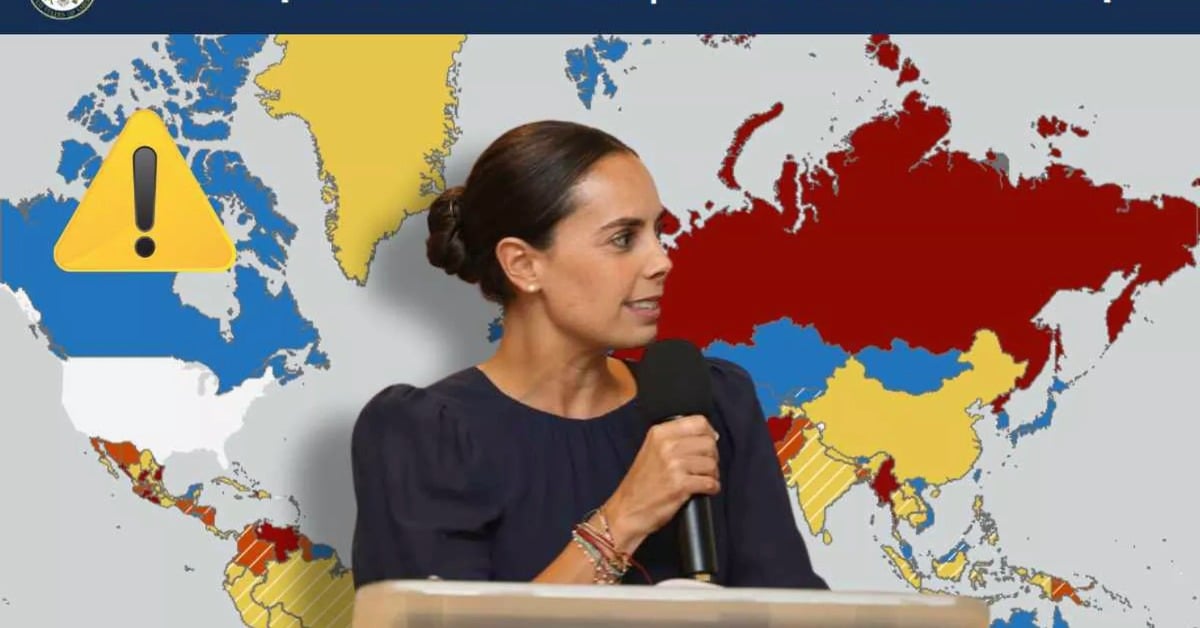
Cancún officials urged calm after a U.S. alert referenced possible risks. They asked residents and visitors not to spread unverified threats. The city emphasized active coordination with security agencies. The goal is to prevent rumor cycles that create panic and harm daily life. The message came as questions about safety moved quickly across social media.
What the city is actually asking people to do
The ask is simple. Do not share unconfirmed warnings. Verify information before posting or forwarding it. Follow official channels for updates. Keep plans as normal unless authorities issue a concrete instruction. City leaders framed this as a community duty. Panic posts draw attention but often age poorly. They also make the work of security teams harder, not easier.
The reminder lands in a city that depends on confidence. Tourism moves on perception. A viral thread can do as much damage as a real incident. Officials want residents and workers to steer the conversation back to facts. They want visitors to rely on official notices, not hearsay. That is why they called for calm rather than alarm.
Why coordination matters in a tourism hub
Cancún functions through layered security. Municipal teams work with state and federal counterparts. Private sector operators coordinate with authorities during busy periods. That web only works if communication lines stay clear. Unverified warnings clog those lines and pull attention from genuine checks.
The city’s statement underscores that coordination is ongoing. That means agencies are sharing information, reviewing any flagged reports, and calibrating patrols. None of that requires public alarm. It requires discipline. It also requires residents and travelers to avoid fueling speculation.
What this means for travelers and workers today
For most people, daily routines should continue as planned. Hotels, restaurants, and transport services keep operating on schedules. Travelers should monitor official accounts for any changes. Workers should follow employer protocols and city guidance. If an instruction changes, it will come through those channels first.
Visitors will still see a visible security presence in tourist areas. That is part of normal operations in high-traffic zones. Authorities want that presence to be read as assurance, not escalation. The city’s appeal for calm aligns with that aim.
Reading the alert without overreacting
Alerts often use broad language about potential risks. They are designed to cover a range of scenarios. Local officials addressed that by focusing on behavior, not speculation. Their advice centers on verification and patience. That is the measured response when the information environment gets noisy.
Residents and visitors can still take normal common-sense steps. Stay aware of your surroundings. Keep copies of travel documents secure. Know where to check for official updates. None of these steps requires fear. They require attention and perspective.
The bottom line for Cancún
The city is telling people to stay calm and stick to verified information. Coordination with security agencies remains in effect. The intention is to protect public confidence and keep daily life moving. In a destination built on hospitality, that balance matters.
Cancún’s message does not minimize risk. It puts it in context. Officials asked the public not to magnify unverified claims. They also signaled that the security network is engaged. For a tourism capital, that is the right place to start: clear information, steady operations, and a community that resists panic.