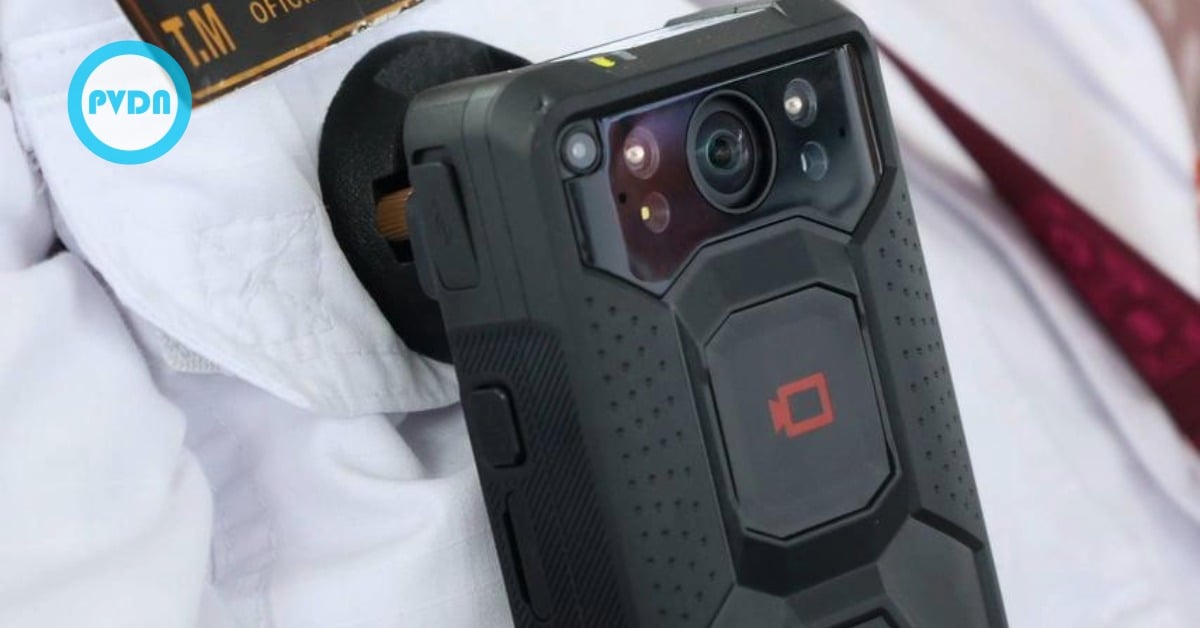
The city says every patrol should be recorded, start to finish. This month, Cancún rolled out hundreds of body-worn cameras and made them mandatory for all personnel on duty. Now, the mayor confirms that seven municipal officers are under internal investigation for failing to wear them, and separate reports indicate that the first sanctions have begun. The cameras are part of a bigger push to rebuild trust with residents and visitors after years of safety concerns. What happens next will show if the rules have teeth—or if old habits outlast new tech.
Cancún police bodycams
Seven municipal officers in Benito Juárez are under internal investigation for not using mandated body-worn cameras during their shifts, Mayor Ana Paty Peralta confirmed on September 30. The cases are being handled by the city’s security secretariat, which oversees discipline and protocol. Cancún police bodycams are supposed to be worn on duty, without exception, according to city officials and the rollout plan announced this month.
By evening, a separate local outlet reported the first punishments: three officers received administrative arrest after refusing to wear their lapel cameras—an omission the city treats as a serious offense. That early move suggests enforcement isn’t symbolic. It’s the first test of a policy the administration says is central to transparency and public trust.
Cancún put 725 cameras into service on September 9 in a joint event led by the governor and the mayor. City communications stated that the devices would be assigned to patrol and specialized units and worn on every street shift. State and local messaging framed the purchase as a trust-building tool for residents and tourists. Coverage of the rollout pegged the investment at just over 31 million pesos and noted the cameras can record an entire shift.
City rules go beyond press statements. The Professional Career Regulation for Cancún’s police spells it out: officers are issued a “cámara portátil corporal de tipo táctico policial”. They must keep it on “durante toda la jornada policial.” Failing to keep the camera on during the workday is listed as an offense subject to arrest-level discipline. The same rulebook restricts any off-duty sharing of audio or video and assigns custody of recordings to the command/intelligence unit once footage is downloaded.
What this means for patrols and the public
For regular stops and calls, the policy should mean encounters start on camera and stay there. That protects residents against abuse and protects officers against false claims. The regulation also requires proper handling of evidence and sets penalties for leaking or misusing recordings—an attempt to avoid the “pirated clip” problem that undermines cases and privacy. In short, the rules aim to make a valuable video in court and credible in the street.
The political signal is just as clear. Cancún’s government has linked the cameras to a broader push on road checkpoints and other tech-forward measures, arguing that visible enforcement and continuous recording can deter misconduct and help investigations. The early sanctions reported Tuesday fit that message: if you skip the gear, you face arrest under internal rules. Whether that approach sticks will depend on consistent supervision shift to shift, and on whether the city discloses aggregate compliance and disciplinary data in the months ahead.
The next questions officials need to answer
Investigations into seven officers—and the imposition of sanctions on three—raise practical questions. How is compliance monitored in real-time? What happens when a unit’s camera fails mid-shift? How long are recordings retained, and how can civilians request footage tied to a complaint? The regulation covers custody and discipline, but Cancún has not yet published regular compliance dashboards. Public, periodic reporting would show whether the new system is changing behavior or just adding hardware. For now, the city’s message is firm: wear the camera, keep it on, and expect consequences if you don’t.