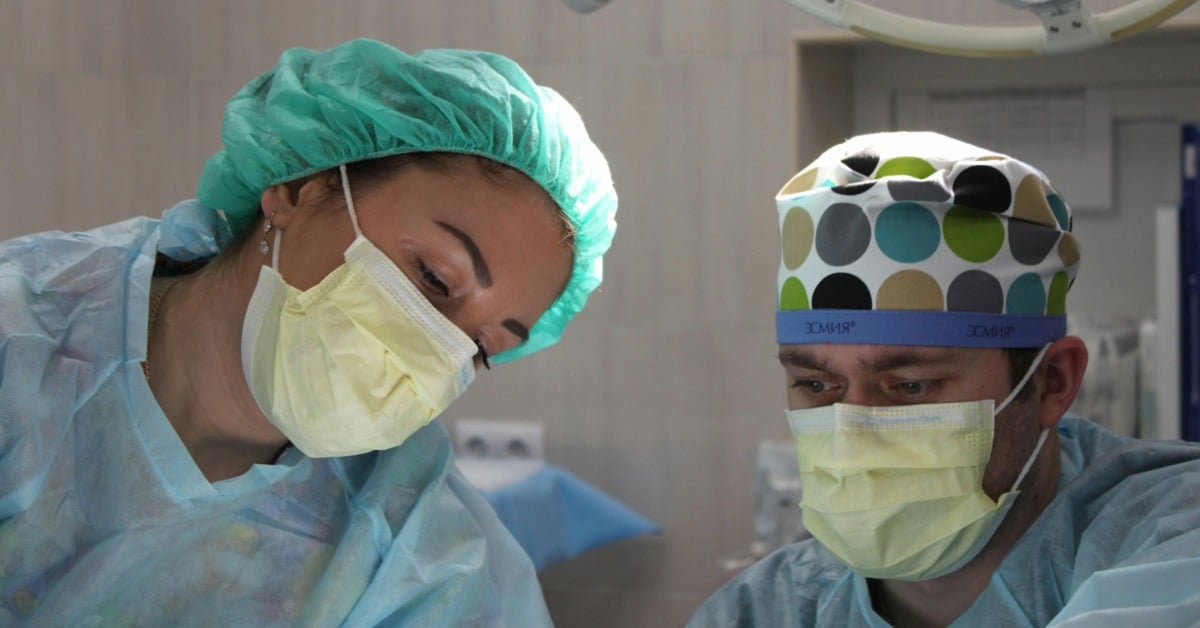
Cancún’s next big growth bet may not be another hotel tower or tourism package. It may be healthcare.
A new private hospital project has been presented as part of a broader push to expand specialty care in the city. Company representatives say the development is designed for two markets at once. One is the local population, which continues to grow and needs more advanced care closer to home. The other is the visitor and international patient market, which already knows Cancún as an easy-to-reach, easy-to-navigate destination.
That matters because Cancún is no longer just a seasonal beach destination. It is a large, year-round urban center with a rapidly growing resident base, a heavy flow of tourism, and a service economy that now extends far beyond hotels and restaurants. In that kind of city, healthcare demand rises on several fronts at once. Residents need everyday services, emergency care, and more specialized treatment. Visitors need urgent care, surgery support, and hospitals that can work with foreign insurers, travel planners, and families who do not speak Spanish.
The new project reflects that reality. It has been described as a high-specialty development that would include hospital care, intensive care, surgery, diagnostics, and a maternal and child component. It is also being pitched as a more accessible private option, not only a premium service for well-insured patients. That is an important part of the sales pitch, because private medicine in Mexico often carries a reputation for speed and quality, but also for high out-of-pocket costs.
Why Cancún is positioned for medical tourism
The idea of medical tourism in Cancún is not new. What is changing is the scale and the sophistication of the pitch.
Mexico already attracts international patients for dental work, cosmetic procedures, bariatric surgery, orthopedics, and outpatient care. In Quintana Roo, that model fits naturally with the region’s tourism machine. Air connectivity is strong, hotel infrastructure is already in place, and many service workers are accustomed to dealing with foreign clients. For a patient coming from the United States or Canada, the appeal is obvious. Travel is relatively simple, bilingual assistance is easier to find than in many other destinations, and the stay can be combined with recovery in a familiar resort environment.
Cancún also has an existing base to build on. Hospitals in the city already market international standards, bilingual staff, and services aimed at foreign patients. Some have certifications or tourism distinctions meant to reassure travelers who may be comparing Mexican care with what they know at home. That does not mean every provider offers the same level of service, but it does show that Cancún is not starting from zero. The city already has institutions that see foreign patients as part of their business model.
The broader tourism backdrop also helps explain why investors see an opening. Mexico’s tourism numbers remain strong, and Cancún’s airport continues to handle enormous passenger volume even after some recent year-over-year softening. At the same time, the municipality of Benito Juárez, home to Cancún, has passed the one million resident mark. Put simply, more people are moving through Cancún and more are living there full-time. Both trends support the argument that health infrastructure has to expand.
What residents may gain from the shift
For local residents, the most important part of this story is not the tourism angle. It is whether new investment actually improves access to care.
That depends on which services are added and how much they cost. The project now being promoted has emphasized a gap in private maternal and child care and other advanced services. If that gap is real, new capacity could reduce the need for families to travel elsewhere for treatment. It could also bring in more specialists and new diagnostic technology, which tends to matter as cities get larger and more medically complex.
Developers have also signaled that they want to reach patients without major private insurance plans. That is a notable claim. In practice, that could mean discount cards, payment plans, or lower-margin, higher-volume care. If those tools are real and widely used, they could make private services more accessible to more middle-income households. If they remain mostly marketing language, the benefit will be narrower.
There is also an economic angle. Hospitals are not only care centers. They create demand for doctors, nurses, technicians, administrators, maintenance workers, labs, suppliers, and support services. In a city like Cancún, that can add a second layer of local impact. A stronger health sector can make the local economy less dependent on pure leisure tourism, which has long been one of the region’s strengths but also one of its vulnerabilities.
The questions behind the pitch
Still, a bigger private healthcare footprint does not solve every problem.
Medical tourism can strengthen a city’s health sector, but it can also create tension. Providers may prioritize higher-margin procedures or international clients. Specialists may cluster in private facilities instead of public ones. Land and operating costs can rise. The result can be a city with excellent options for those who can pay and a persistent strain for those who cannot.
That is why affordability matters more than branding. It is one thing to say a project will be accessible. It is another to show prices, payment models, and real outcomes for local families. The same is true for quality. Certifications and tourism seals can help build trust, but they are not a substitute for clear pricing, safe care, and strong oversight.
There is also a practical question for foreigners who live in the area. More private capacity may sound like an obvious plus, and in many cases it is. But foreign residents still need to ask basic questions before assuming a hospital is the right fit. Does it handle their insurance? Is there round-the-clock bilingual support? Can it coordinate aftercare? What happens if a case becomes more complex than expected? A city can market medical tourism well and still leave patients to sort out important details on their own.
Why this matters beyond Cancún
This story matters because it shows how Cancún is changing.
The city is still a tourism giant, but it is also becoming a more complete urban economy. Healthcare, like logistics, education, housing, and utilities, is now part of the next stage of growth. That creates opportunities, but it also raises the stakes. If the investment is well-planned, Cancún could end up with stronger specialty care, more local jobs, and better options for both residents and visitors. If the focus leans too heavily toward branding and foreign demand, the city could deepen the gap between the care that is available and the care that is truly accessible.
For now, the headline is straightforward. Cancún is trying to turn its tourism advantages into a healthcare business. The real test will come later, when residents can judge whether that new investment changed anything for them beyond the skyline.