Benito Juárez, Cancún, real estate, urban planning, permits, unauthorized development
The municipal government of Benito Juárez shuts down the illegal Cataluña real estate development in Cancún over missing permits, urging buyers to verify before investing.
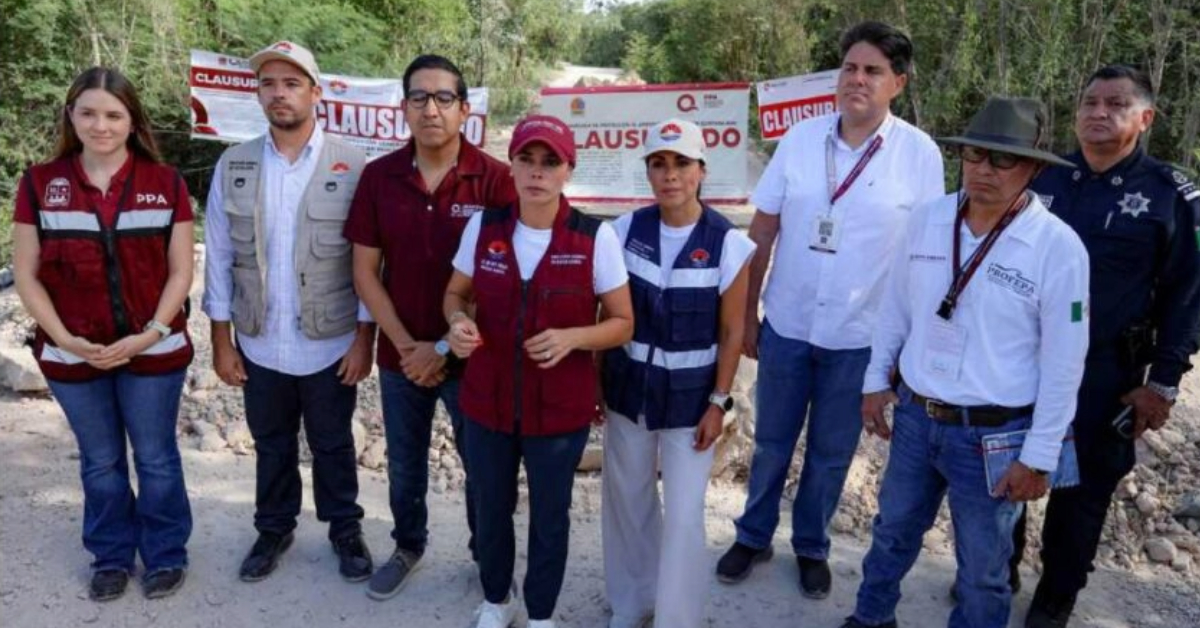
The municipal government of Benito Juárez took decisive action this week to close the Cataluña real estate development in Cancún after discovering the project operated without the necessary permits. Municipal President Ana Paty Peralta de la Peña announced on social media that the subdivision violated both urban planning and housing marketing rules, leaving buyers at risk and undermining the city’s orderly growth.
On-site inspections began along the Cancún–Mérida federal highway when agents from municipal, state and federal agencies coordinated to seal off the development. Officials placed official closure notices on every entrance, halting all promotional and sales activities. Authorities cited the sale of residential lots as illegal, since the developer lacked any municipal or state authorizations for land division, marketing, or construction in terms of urban development.
Peralta de la Peña stressed that her administration will not tolerate illegal projects that threaten citizens’ assets. “We acted immediately to protect buyers and safeguard our city’s planning standards,” she said. “Any developer must meet clear requirements before offering lots for sale. Cancún will only grow in a responsible way.”
Local residents and prospective investors had begun sharing posts on social media tagging the hashtag “Cancún real estate permits,” seeking information about the development’s legal status. With the official closure, the municipal government urged anyone who already invested in Cataluña to contact the city council for guidance on next steps and possible refunds.
To help citizens verify legitimacy before investing, the government set up a dedicated WhatsApp line at 998 205 1579. Buyers can use that number to ask questions, request official records, or report other unauthorized developments. City hall also reminded real estate agents and developers that all projects must publish proof of permits and urban planning approval before marketing to the public.
The crackdown on the Cataluña subdivision follows a series of audits initiated earlier this year. Authorities identified several sites around Cancún that operated without proper zoning approvals or environmental clearances. By closing this development, officials hope to reinforce a message: permitless projects have no place in a city that depends on tourism and sustainable growth.
Local real estate experts say the move will restore confidence in Cancún’s market by removing bad actors. “When developers follow the rules, buyers feel safe,” explained Marta López, president of the Cancún Realtors Association. “This closure sets a strong example that regulations matter and that both public and private sectors share the responsibility to protect investments.”
Tourism remains the backbone of Benito Juárez’s economy. City planners warn that unchecked construction could strain utilities, harm protected wetlands and trigger costly legal battles that damage Cancún’s reputation. By enforcing permit requirements—and offering easy ways to check them—the government aims to prevent these issues before they arise.
As the Cataluña site stays sealed, the municipal council plans to publish an online registry of all approved real estate developments. That tool will list project names, permit numbers and key contact information. Buyers, realtors and lenders will then have a transparent way to confirm a subdivision’s status before closing deals.
Cancún’s municipal authorities encouraged the public to stay alert. Anyone suspecting an illegal development can send photos or documents via WhatsApp or email to the city’s urban planning office. With cooperation from residents and a clear set of rules, Benito Juárez hopes to guide growth that benefits both longtime locals and new investors.