Cancún is making its busiest airport corridor safer by transitioning from sporadic traffic checks to a permanent speed control plan. Patrols now drive Colosio in tight convoys at the posted limit to keep everyone under 70 km/h, and officials are preparing handheld radar to catch outliers. The change follows a run of high-speed wrecks and near misses that frustrated daily commuters. It’s a simple idea with a clear goal: fewer crashes, fewer injuries, and a calmer drive between the city and the terminal.
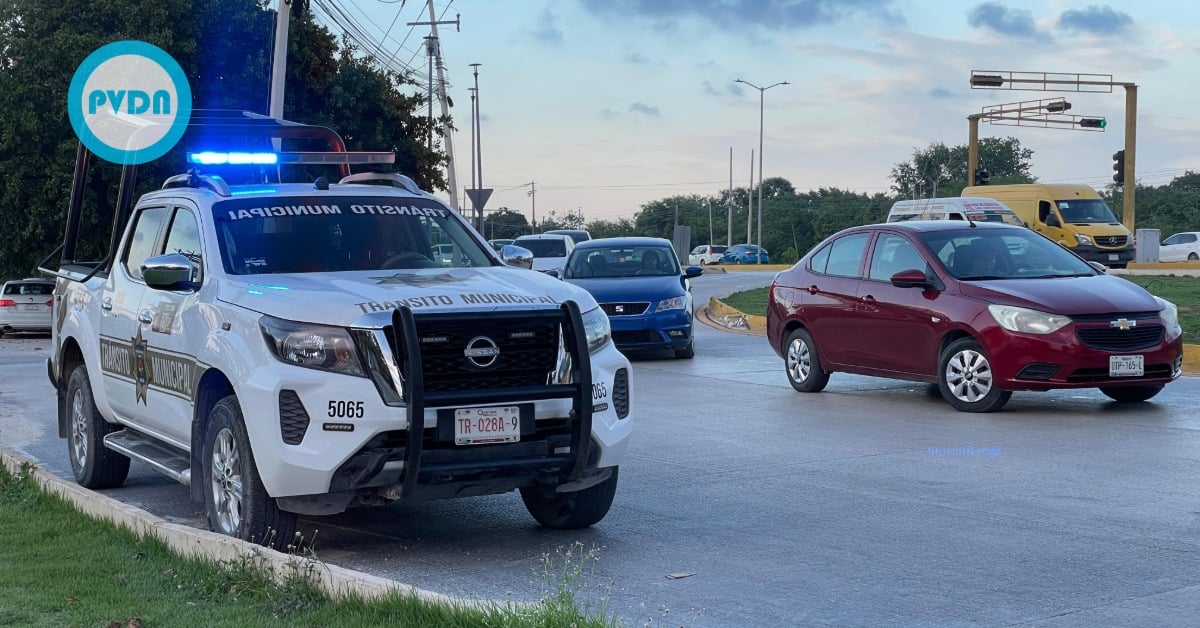
The city has turned a simple traffic tactic into a full-time safety plan. On Boulevard Luis Donaldo Colosio, patrol trucks now roll in formation at the posted limit, forcing the pack behind them to slow down. City officials say the “carrusel” will operate every day, not just at rush hour, after a string of high-speed crashes on the airport corridor.
Cancún speed control
Municipal police and traffic officers, with support from the National Guard, are assigned to two small convoys that loop Colosio through the day. The idea is basic but effective: hold 70 km/h, the legal limit, and bring the rest of the traffic with you. After testing various time slots, the city expanded coverage to a near-continuous schedule from approximately 6:30 a.m. to 11 p.m., with six patrol units divided into two groups. Authorities say the goal is to reduce collisions and maintain a steady flow of traffic to and from the airport.
People who drive the corridor daily already know why this matters. Colosio isn’t built for triple-digit speeds, yet that’s what investigators have logged in recent wrecks. The convoy strategy tamps that down without adding physical barriers or sudden lane changes that can cause new problems. Local outlets and the city’s own feeds show the teams on the road and confirm the plan is staying in place.
Radar is next
The city isn’t stopping at the convoy. Officials say they’re introducing radar guns to back up the patrols and cite the worst offenders—especially late at night, when empty lanes tempt heavy feet. Media briefings and local reports indicate that the radar rollout is directly tied to the spike in speed-related crashes on Colosio and in the hotel zone. Expect the combination—visible convoys plus targeted enforcement—to stick as a long-term road-safety policy.
Residents will notice a calmer pace. Airport workers, delivery drivers, and families making morning flights are the first to benefit. There will be grumbling from people who want to go faster, but the tradeoff is fewer sirens and less twisted metal on a road that carries thousands to the terminal every day. Early coverage across the region underscores why the move is popular with safety advocates: it’s inexpensive, fast to deploy, and buys time while longer-term fixes—such as improved signaling, better timing, and more substantial barriers—are planned.