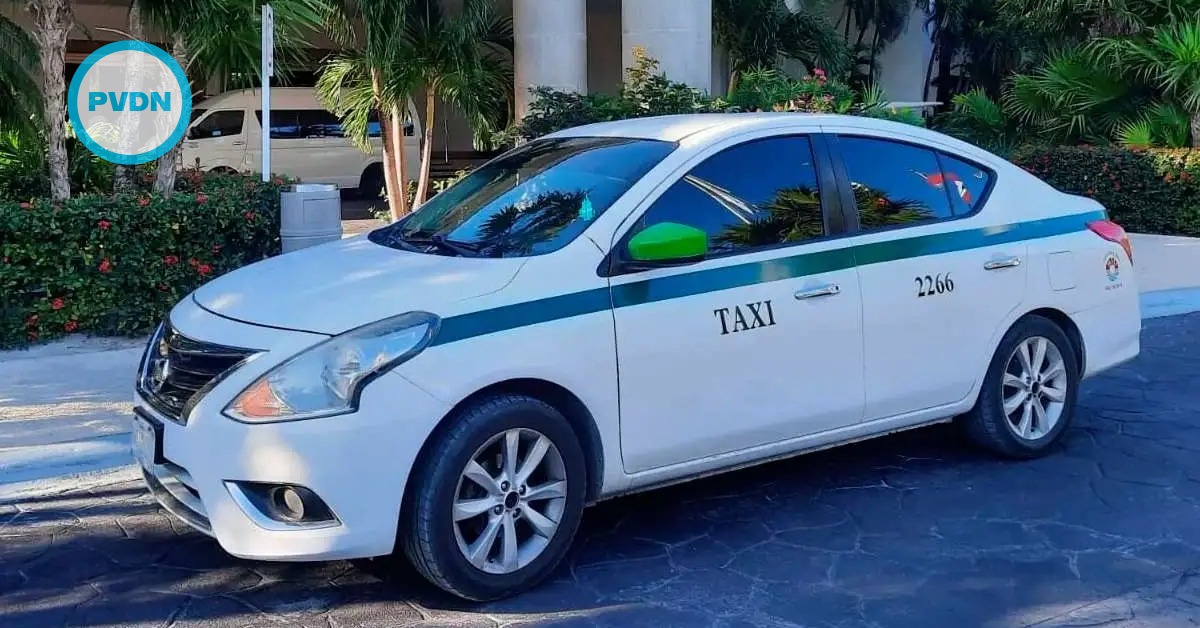
Cancún taxi fares are drawing fresh complaints as locals report holiday surcharges, short trips priced high, and calls for tougher rate enforcement.
Every December, Cancún gets louder, busier, and more expensive. This year, many residents say the biggest surprise is not the dinner bill or the crowded supermarket. It is the taxi quote you hear before you even open the door.
Complaints shared this week describe fares climbing as high as 500 pesos for trips that usually cost far less. The flashpoint is familiar. Short rides toward the Hotel Zone are a frequent example, especially when traffic is heavy and the driver knows the passenger is in a rush. Airport runs are another hot spot, because luggage and flight times leave little room to argue or walk away.
What makes the complaints feel sharper during the holidays is the sense that the “seasonal surcharge” is informal, inconsistent, and hard to challenge. Two neighbors can leave the same area, go to a similar destination, and get wildly different quotes. That unpredictability is what people are reacting to as much as the amount.
For expats who live in Cancún or nearby, this is not just a tourist problem. It hits workers commuting to the Hotel Zone, families trying to move around town on days when transit is thin, and residents who need the airport for holiday travel. It also fuels a broader feeling that normal rules bend when the city is packed.
Why the spike hits hardest in late December
Holiday demand is real. More visitors arrive. More locals go out. More people travel with bags and gifts. Drivers know there are fewer “slow moments” to fill.
But residents say demand alone does not explain the pattern. The bigger issue is leverage. On Christmas week, many riders feel they have fewer options, especially late at night, during rain, or in neighborhoods where public transport is irregular. When a shared van or bus is taking a long time to show up, the taxi waiting at the curb becomes the only practical choice.
That pressure shows up in the stories people share online. Riders describe being told a price with confidence and speed, as if it is fixed. Others say the driver agrees to one amount, then tries to change it after the ride begins. Some travelers have posted videos saying they were quoted extreme amounts for short airport trips, which adds fuel to the anger and the warnings.
The social media effect matters here. One viral clip can do more than embarrass a driver. It can reset expectations in the worst way, because some drivers may assume visitors now “expect” high prices and will pay without a fight. At the same time, those clips have also turned into informal consumer protection. People are screenshotting fare quotes, comparing notes by neighborhood, and reminding each other to agree on a price before getting in.
What the rules say and what enforcement looks like
Quintana Roo has an official taxi tariff system on paper. Authorities have repeatedly said the rate schedule should be respected, including during holidays. The problem residents keep pointing to is not the absence of rules. It is the gap between rules and what happens on the street.
State mobility officials have said they carry out enforcement operations tied to complaints about unauthorized fare increases. In past public statements, the agency has described sanctions for charging non-authorized rates in terms of UMAs, with the potential for steep fines and, in serious cases, consequences for concessions.
That matters for two reasons. First, it signals that “holiday pricing” is not supposed to be a free-for-all. Second, it gives riders a stronger footing when they report an overcharge. The agency has also promoted reporting channels and encouraged people to provide identifying details, such as the unit number, plates, location, time, and any photo or video evidence.
There is also a separate reality at the airport. Consumer authorities have publicly emphasized complaint-handling and price visibility at major travel hubs, including Cancún, especially during peak travel seasons. The key point is that consumer offices can help when services are formal and identifiable, but they have limits when a ride is arranged outside official channels. In practical terms, that means the more documented and clearly identifiable the provider is, the better the odds of a complaint going somewhere.
The expat angle, and why this debate won’t fade
If you have lived in Mexico long enough, you already know the dance. You ask the fare first. You confirm whether it is per person or per car. You decide whether the hassle is worth it.
But what residents are describing now feels different in scale. A 500-peso quote for a short urban ride is not just annoying. It changes habits. People stop going out. Workers lose time searching for alternatives. Families end up paying more than planned, which lands right in the middle of everyday cost-of-living pressure.
It also feeds a wider trust problem. Many taxi drivers work hard and charge fairly. Still, the stories that travel are the ugly ones. When travelers warn each other, they do not warn about a specific driver. They warn about the whole system. That is why this keeps resurfacing as a public issue, especially in a city where tourism and daily life are welded together.
The enforcement conversation is part of that. Residents are not only asking for punishment after the fact. They want fewer surprises up front. Clearer posted rates. Consistent consequences. Less room for a “special price” just because it is Christmas week and the passenger looks like they will pay.
What to do before you get in the car
The most useful advice spreading right now is basic, but it works when people actually use it. Agree on a price before the door closes. If the driver refuses to quote, that is information. If the quote feels inflated, you can step back and check another option while you still can.
If you do take the ride and later feel you were charged abusively, treat it like any other consumer problem. Save what you can. Note the time and place. Keep the driver or unit details if you have them. Those small facts are what turn an angry story into a complaint that can be followed up.
This is also where Cancún’s holiday reality comes back in. Sometimes you will still pay more than you want because you need to get home, get to work, or catch a flight. The goal is not to win every negotiation. It is to reduce the chances of being cornered into a number that is hard to justify, and to use official channels when the charge looks like a clear overreach.