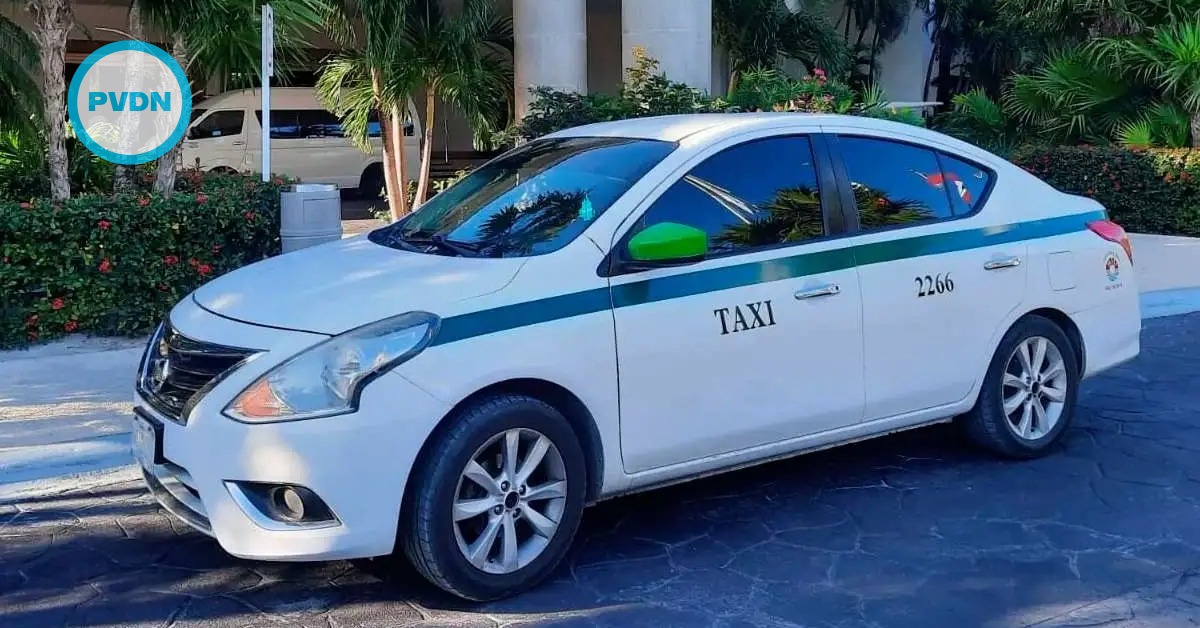
A familiar moment in Cancún: you ask the price, the driver pauses, and the number depends on who’s asking. That routine may finally be on borrowed time. The taxi union says meters are close to approval, with a first wave of about 1,000 units. But the real story isn’t just a device on the dashboard. It’s about who sets the rates, who pays for the hardware, and whether safety requirements could slow everything down. For riders, the details will decide if this becomes real certainty—or just a new argument.
Why fare certainty matters now
In a city built on tourism, transportation trust matters. Cancún’s taxi rides often begin with a negotiation, not a meter. That leaves room for confusion, especially in the hotel zone and during peak seasons. Residents feel it too, when the same trip costs more on busy nights. For many expats, taxis are the quick fix for errands and appointments. The uncertainty can turn a routine ride into a tense exchange. Taxi leaders now say they are ready to change the rules. The union representing Cancún’s “Andrés Quintana Roo” taxis says a taximeter system is in its final stage of presentation. The goal is simple: end arbitrary pricing and give riders a predictable fare. Union leader Rubén Carrillo says the city’s growth has made pricing harder to standardize by memory alone. Distances are longer, traffic is heavier, and routes vary. A meter, he argues, would replace guesswork with a common standard. If it works, it could also lower the daily friction that has damaged the taxi brand for years.
How the first 1,000 meters would work
The plan starts small, at least by Cancún standards. The union says roughly 1,000 taxis would be equipped first. From there, the system would expand in phases toward the nearly 8,600 taxis registered with the group. Carrillo has floated a target of having at least half the fleet using meters by the end of 2026. A final tariff has not been announced, but early estimates place the starting charge around 40 to 50 pesos. After that, the fare would increase based on the distance traveled and, depending on the configuration, the time spent in traffic. That matters in a city where a short hop can become a slow crawl. For riders, the biggest change is psychological. You would not need to bargain at the curb. You would see the price build in real time, then stop when the ride ends. For drivers, the meter becomes the referee, which can reduce arguments when emotions are already high.
Approval and the fight over the final tariff
Before any meter can be switched on, the numbers behind it need regulatory approval. In Quintana Roo, taxi service follows mobility rules, and passenger tariffs need approval from the mobility authority. That is why the taxi union keeps pointing to Imoveqroo as the last gate. Carrillo says the proposal has been built around operating realities, not headlines. He cites inputs such as fuel, maintenance, and time lost due to congestion. He also says Cancún’s tariffs went years without a meaningful update as the city expanded. Still, a meter does not automatically mean cheaper rides. It means clearer rides. A transparent price can rise just as easily as it can fall. That is why the final tariff will matter as much as the device itself. Some drivers fear lower earnings on long routes and less flexibility to offset slow days. Others worry about the upfront cost of installation and ongoing maintenance. Those costs, if not subsidized, tend to land on the driver.
Safety tech could slow the rollout
One wrinkle could decide how fast this moves: security technology. State officials have pushed for mandatory in-cab cameras, framing them as protection for riders and drivers. In recent weeks, the state’s interior secretary has said cameras should come first, with meters following after. The union, meanwhile, has described a first phase that could begin with meters even before cameras are active. That gap matters because it goes to the heart of public trust. A modern fare system feels incomplete if riders still feel unsafe. The union points to a separate camera pilot, with a smaller group of taxis testing the equipment first. Union leaders say they have been exploring financing options to help operators afford the upgrades. They have also discussed digital meters that could support card payments, QR codes, and trip tracking. Even if the technology is ready, the rollout will hinge on approvals, procurement, and installation capacity. In Cancún, “soon” can still mean months, especially when two major reforms are being tied together.
What this means for expats and everyday riders
For expats, the biggest benefit is predictability. A meter makes it easier to budget daily life, from school runs to late dinners downtown. It also changes how you protect yourself as a consumer. If meters roll out, expect an obvious display. Look for a clear starting charge and a total that matches the route. The safest habit is still simple. Confirm the system is on before the car moves. Ask what the base rate is. Until the meter is widely adopted, the old reality will continue alongside the new one. That means it will be worth asking, especially in tourist-heavy areas. It also helps to remember you now have more options than in the past. The state has backed a regulated ADO bus link from the airport to the Hotel Zone. It costs 140 pesos and sets a visible benchmark. Meters, if approved, could bring that same sense of “known price” back to taxi travel across the city.