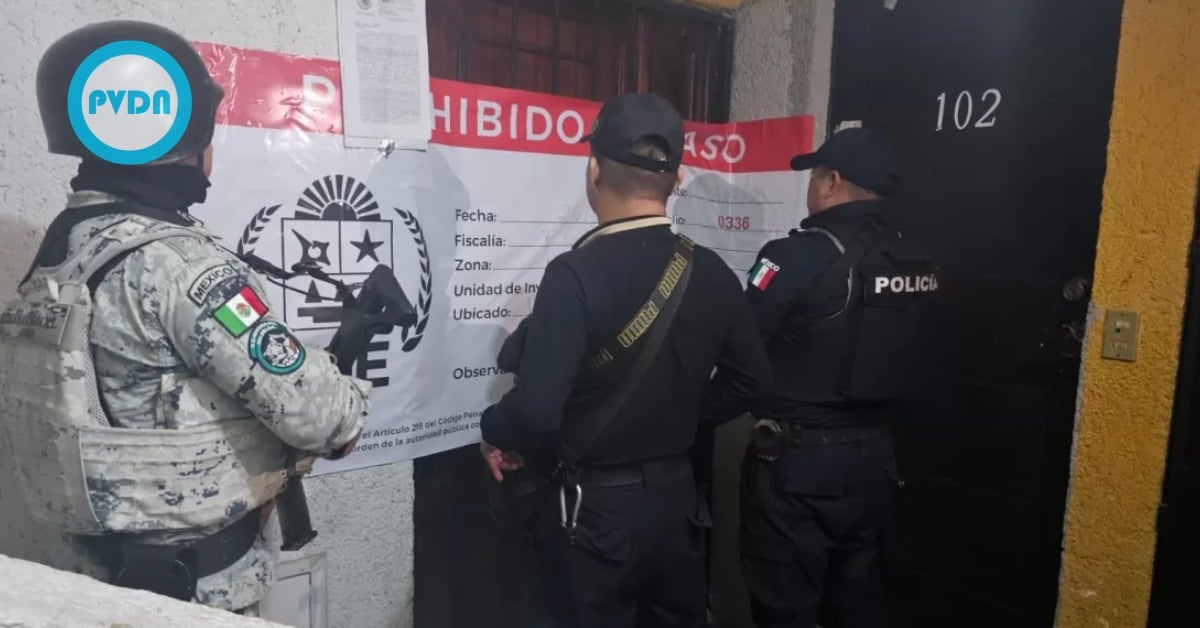
Prosecutors in Quintana Roo say agents raided a home near the tourist core and freed two Venezuelan women who were being exploited. The Cancún trafficking rescue unfolded after investigators got a judge’s warrant tied to an ongoing case, then secured the property while a team offered care and statements. It reads like a simple win, but anyone who covers this beat knows the story rarely ends at the front door. Was anyone arrested? How were the women recruited? And will the following address already be open by the weekend?
Authorities in Cancún say two Venezuelan women were rescued during a court-authorized raid on a residence in Supermanzana 4, a central neighborhood just inland from the hotel zone. Investigative Police executed the warrant, secured the property, and opened an inquiry into suspected human trafficking, according to local reporting that cites the state prosecutor’s office.
The outlines are familiar to anyone who tracks the Caribbean coast’s vice economy. Agents enter a small apartment or back-of-house workspace. A few women are ushered to safety and into initial interviews. Phones and notebooks are bagged. The door is sealed with tape as a “asegurado” notice goes up. In this case, multiple outlets describe a swift operation, the rescue of two foreigners, and the promise of a broader investigation led by Quintana Roo’s Fiscalía.
What we know so far
Local coverage places the raid in SM 4 and identifies both victims as Venezuelan nationals. The prosecutor’s office, through briefings relayed by area media and social posts, says officers recovered evidence and turned the scene over to investigators; the women were routed to medical and psychological support as part of the standard protocol. As of press time, officials had not publicly confirmed arrests tied to this specific address.
The Cancún trafficking rescue is not an isolated event. Only three days earlier, prosecutors said they found 14 women in alleged exploitation at three properties in Supermanzana 66, describing a profit-sharing scheme that left the women with a fraction of the fee. In August, a larger sweep in the state capital, Chetumal, reportedly freed 26 women across five searches. And this summer, a Cancun operation tallied 33 presumed victims at a single establishment. Each episode follows a consistent pattern: a multi-agency warrant service, property closure, and a promise of pending charges.
Authorities and NGOs have warned for years that the tourist corridor’s demand and informality make it fertile ground for traffickers. Federal and state data show Quintana Roo consistently near the top of trafficking complaints and related crimes nationally, a status the federal anti-trafficking commission highlighted earlier this year. Even if many cases never reach sentencing, the picture from police actions and victim services tells a consistent story of hidden rooms behind bright storefronts.
The questions that matter now
Rescues are vital, but they’re also the beginning of a more challenging path. One question is whether this case will produce indictments that stick. In previous stings, officials have closed venues and relocated victims to care. Still, detentions don’t always follow through or may falter in court, particularly if landlords and business operators act through intermediaries and engage in quick lease swaps. Tracking how prosecutors build financial and telecommunications trails will say more about whether this address was a node in a larger network or a small, opportunistic cell.
Another question is the protection of victims across borders. Venezuelan women are frequently targeted by recruiters who promise steady work in tourist cities and then seize passports or impose illegal debts. Ensuring safe housing, legal status, and trauma-informed care can make the difference between a formal complaint and a silent, fearful exit from the state. Recent cases have shown authorities offering immediate health and psychological services; the longer-term test is whether those services are sustained after the headlines fade.
Today’s operation fits a visible escalation in 2025. The rescues in April, June, August—and now this week—span the coast from Cancún to Chetumal. For residents and visitors, it’s a reminder that exploitation isn’t confined to back-alley bars; it can exist in apartments a block from a café you know. For officials, it’s a test of whether coordinated raids can be paired with labor inspections, migration checks focused on protection rather than punishment, and financial investigations that push past the front-of-house manager to the people who write the rules and count the cash.
If you live here, you’ve likely seen the aftermath: a sealed door, a darkened sign, a new tenant a month later. The measure of progress won’t be a single Cancún trafficking rescue—it will be whether cases like this move from press notes to convictions, and whether survivors can rebuild without being pulled into another “job” by the same pipeline a few neighborhoods away. For now, two women are out of harm’s way. That matters. What happens next will matter more.