Cancún is attempting something bold. A new alliance, led by Sustentur and backed by the TUI Care Foundation, aims to map the hotel zone’s waste and convert more of it into value rather than landfill. City officials say Cancún handles roughly 1,500 tons of trash a day; only a small fraction gets reused. The plan runs for three years and starts with data. The big question isn’t the press conference—it’s whether hotels, tourists, and city services change habits fast enough to matter.
Cancún is rolling out a Cancun zero waste program inside its tourism heart, pairing the local group Sustentur with the TUI Care Foundation on a three-year push to cut landfill-bound trash and strengthen recycling in the hotel zone. The partnership plans to invest approximately 10 million pesos, starting with diagnostics to identify the types of waste generated, their destination, and the amount that can be realistically diverted.
Officials and project leads say the first phase focuses on mapping hotel-zone waste streams and working with the Hotel Association to catalogue what properties already do, what’s not working, and what could scale. That baseline is expected to guide actions and investment as early as year one.
Cancun zero waste program
The timing speaks to a larger problem. By the state’s own figures, Cancún generates about 1,500 tons of garbage daily, and only an estimated 3 to 8 percent is reused—meaning almost everything else ends up at the landfill. The governor flagged those numbers this summer, framing “zero waste” as both an environmental and economic priority for the city.
The municipality has already been testing “Residuo Cero” collection days, where residents turn in recyclable material for “green points” redeemable for essentials. City hall has also publicized fines for illegal dumping, ranging from a few thousand to tens of thousands of pesos, as part of a broader clean-up drive. Those efforts are limited in scope, but they set the table for a larger, destination-wide program in the tourism corridor.
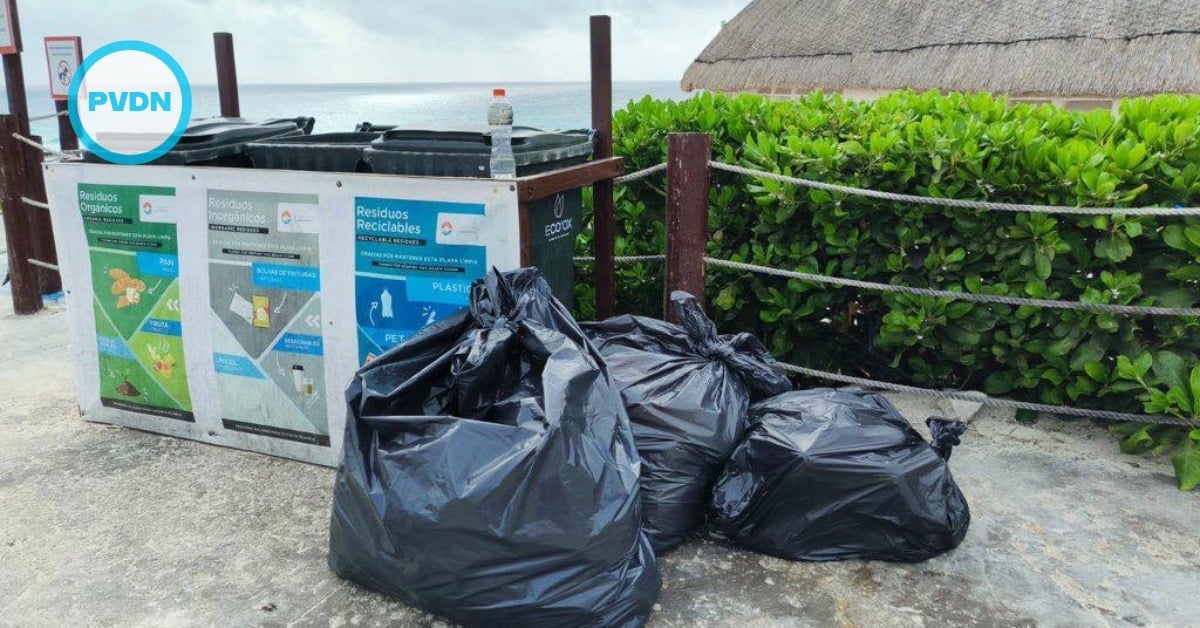
What makes the new initiative notable is the outside muscle. The TUI Care Foundation has been rolling out its Destination Zero Waste model in island and coastal destinations—from Menorca to Sicily to Mauritius—connecting tourism businesses with recycling and upcycling partners, funding beach-bin infrastructure, and running school and visitor campaigns to shift habits. That playbook is now being adapted to Cancún’s hotel zone.
The hotel sector’s buy-in will make or break the plan. Hotels control a considerable share of the waste stream, from kitchen organics and single-use plastics to glass and construction debris from constant refurbishments. The project’s early statements emphasize partnering with the Hotel Association on real-world diagnostics rather than quick PR wins—an encouraging sign if it holds.
The city, for its part, will need to match the private-sector energy with reliable collection, transparent contracts, and a clear route for materials once they’re sorted. Past landfill performance and enforcement gaps have eroded public trust; this program’s credibility will hinge on publishing the baseline, releasing diversion targets, and reporting progress quarter by quarter.
What success looks like by year three
In practical terms, success in three years would mean less trash leaving hotel loading docks, more glass and plastic captured and sold into local value chains, and fewer clandestine dumping points in the urban fringe. It would also mean tourists encountering smart nudges—separated bins that actually get recycled, clear messages in rooms and on beaches, and staff trained to keep the system from falling apart during peak season. That’s the TUI Care model elsewhere; it will be tested here against Cancún’s scale.
There’s also a policy wind at the program’s back. Mexico’s federal environment ministry is pushing a “Basura Cero” and circular-economy agenda, and recent analyses from WRI highlight national roadmaps that prioritize waste reduction and materials recirculation. If Cancún can show measurable diversion in a marquee destination, it becomes a proof point for that shift.
Bottom line: the plan is credible because it starts with data, pairs hotel-sector leverage with NGO know-how, and aligns with a national policy turn. But it will only work if the city keeps collections steady, if hotels share their numbers, and if the partners publish results—even when they’re messy. The beach doesn’t lie, and neither will the bins.