The municipalities of Benito Juárez (Cancún) and Othón P. Blanco (Chetumal) have filed criminal complaints tied to recent animal abuse scandals: a mass killing at Cancún’s municipal shelter and an alleged crematorium fraud in the state capital. The filings were made public on November 9, 2025, following days of pressure from residents and rescuers.
Animal cruelty cases
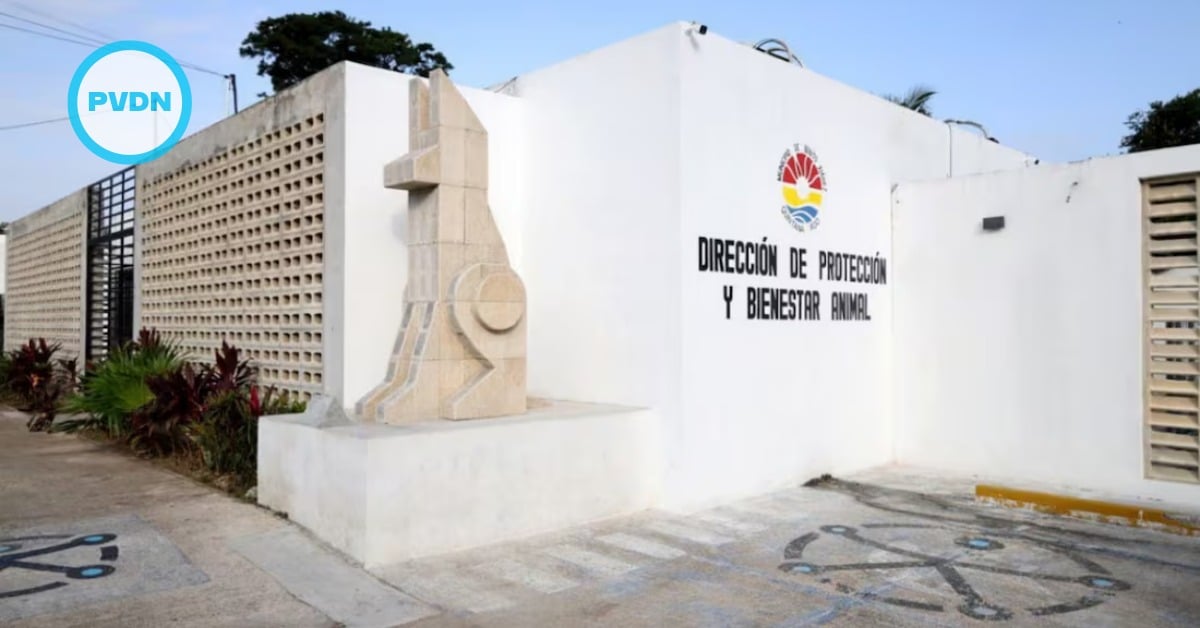
In Cancún, the city acknowledged that “a sanitary contingency” at the Centro de Bienestar Animal led to the killing of most of the animals in its care. Local reporting put the figure at “around 80%,” a number that shocked volunteers who had been pushing adoptions. The city removed the shelter’s director, Yamili Góngora, and said further complaints would be filed against officials deemed responsible. René Olivares Pérez was named interim chief of the animal welfare office.
Activists counter that the killing of dogs and cats went far beyond what a disease protocol would allow and that records of adoptions and euthanasia were opaque. National outlets amplified their calls for federal attention after they presented evidence and testimonies pointing to a mass cull at the city facility.
City officials have said the trigger was a distemper outbreak and that the shelter was placed under quarantine to contain further spread. Even if that proves true, the scale of the deaths and the lack of clear reporting have left residents demanding an independent review of how the city handled intake, vaccination, isolation, and euthanasia decisions.
Cancún’s reshuffle at the animal welfare office suggests an attempt to reset operations. Olivares Pérez has been tasked with medical and operational “restructuring,” including tighter oversight of sterilization campaigns and adoptions, according to local coverage of the appointment. Whether that translates into transparent metrics—intake, live-release rates, and publicly available euthanasia logs—will be the real test.
The second case, unfolding 380 kilometers south in Chetumal, is darker still. Authorities say a private pet crematorium, Casa Xibalbá, took payments from grieving families and returned urns filled with soil. Investigators later found at least 150 animal bodies in lots near the facility. State prosecutors detained the owner and another person in late October as the complaint tally grew.
Othón P. Blanco’s city hall has now filed its own criminal complaint, accusing those behind Casa Xibalbá of using falsified permits and causing environmental harm through mishandling of remains. Local tallies suggest hundreds of affected clients; media tracking of complaints has ranged from more than 200 to roughly 250 as additional families stepped forward.
For families, the alleged fraud cuts deep. Many believed they were taking a pet’s ashes home and holding ceremonies for animals they considered part of the family. Instead, they learned that their dogs and cats might be among the bodies recovered by authorities. State outlets reported that prosecutors are asking victims to help identify remains through photos and recovered items.
What happens next for victims and pets
With complaints now filed by both city governments, the cases shift from outrage to legal proof. In Cancún, the central questions are narrow but significant: Was the distemper response aligned with veterinary standards? Were healthy animals killed without due process? Who signed off on the decisions? Prosecutors will review internal shelter records and staff actions while activists push for an independent audit and full public reporting.
In Chetumal, prosecutors are building a case that mixes alleged fraud with environmental crimes. Reports indicate the operation lacked proper permissions and that remains were mishandled in a way that could contaminate nearby areas. That combination—consumer harm and environmental damage—tends to carry stiffer penalties if proven. National and regional media have detailed the scope of potential charges and the state’s pledge that there will be no impunity.
These stories also expose the gap between policy and practice. Quintana Roo has rules on animal welfare and environmental safeguards, yet families still depended on volunteers to force action, and city systems failed to surface problems early. Cancún now promises transparency and a full overhaul of shelter operations. Families in Chetumal want a simple measure of justice: truthful answers, accountability, and, where possible, the return of real remains to close their grief.
For readers, here’s the bottom line: the animal cruelty cases in Cancún and Chetumal are no longer just social-media storms. They are criminal matters with paper trails, chain-of-custody questions, and public records that should soon tell us what really happened—and who will be held to account.