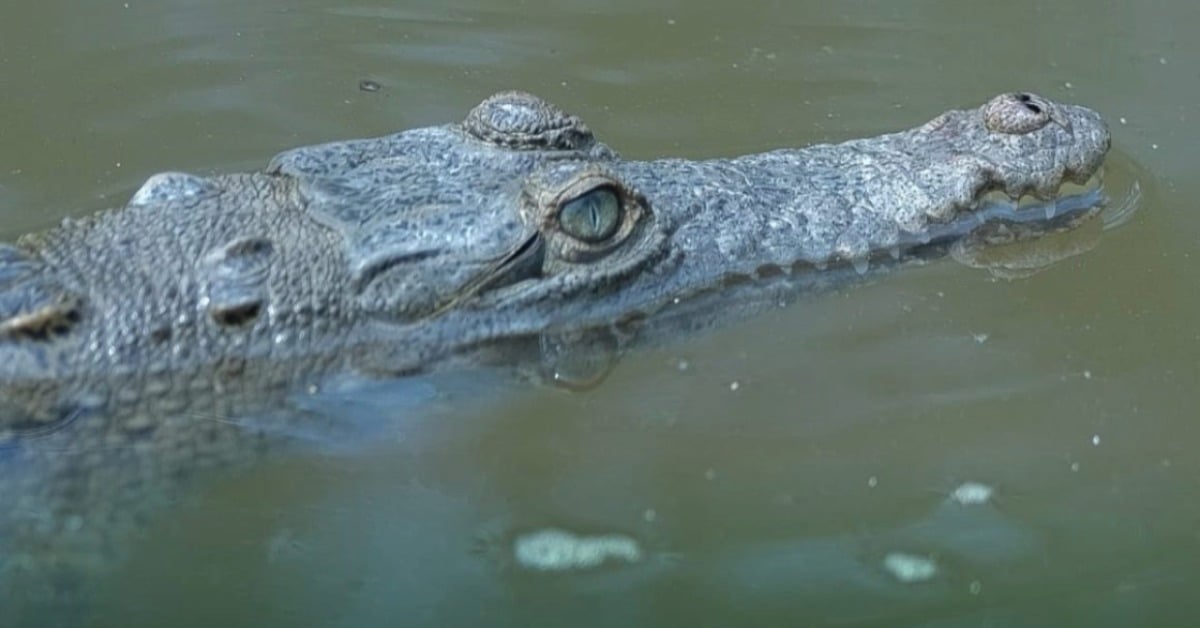
Crocodile reports are climbing in Cancún. Local officials now see six to seven sightings a month, with most calls from neighborhoods that border the mangrove. Residents point to Corales, Lombardo Toledano, and Donceles. A recent tourist bite at Nichupté Lagoon underscored the risk when people get too close. Scientists and authorities say the picture is larger than one scare: a protected wetland under pressure, seasonal breeding, heavy rains, and a fast-growing city. Here is what the numbers mean, where the animals live, and how Cancún can respond.
Cancún crocodile sightings
Crocodile sightings have risen this year, according to a local round-up of calls handled by authorities. Officials describe “six to seven reports a month,” a change from last year’s pace. Reports cluster in urban zones near mangroves. Those include Corales, Lombardo Toledano, and Donceles. The pattern reflects where city blocks meet water. It also reflects a public that now calls sooner when they spot a reptile.
Other local outlets echo the same geography and cadence. Coverage this week again includes Corales, Lombardo Toledano, and Donceles, noting an average of seven monthly sightings. The through-line is proximity to mangrove and canals. In Cancún, that often means streets that drain toward the Nichupté system and its brackish pockets.
A recent bite sharpened concern
Early September brought a stark reminder. Police and paramedics responded after a U.S. visitor was bitten near kilometer 11 of the Hotel Zone, by the lagoon across from a Hyatt property. He had approached to take photos. He was treated and listed as stable. The case is exceptional, but it tracks with a simple rule: distance saves people and animals alike.
What the numbers do—and don’t—say
Raw counts can vary by agency and week. In August, a regional daily tallied 30 sightings so far this year across beaches and urban areas, citing firefighters and environmental officials. Back in March, the city’s Fire Department said they typically intervene in about 12–15 calls a year, reflecting past norms. The contrast suggests 2025 is running hot, not that attacks are common.
Nichupté’s mangroves are not an empty green patch on a map. They are a federally protected Área de Protección de Flora y Fauna with 4,257 hectares of wetlands and channels. The site holds American crocodiles (Crocodylus acutus) and Morelet’s crocodiles (Crocodylus moreletii), alongside turtles and wading birds. It is also a Ramsar wetland of global value. The habitat sits inside city limits, by design and decree.
Both crocodile species in Mexico are under special protection in the national NOM-059 list, which guides law enforcement and management. That means the public cannot harass or harm them, and officials relocate animals when needed. As Cancún densifies around the lagoon, encounters rise at the edges—construction noise, runoff, and flooded easements all shift where animals move. Officials and biologists have warned that degraded water and significant works near Nichupté can push wildlife to new ground. The claim warrants closer monitoring, as it aligns with what residents observe.
Season, rain, and behavior
This year’s spike overlaps with nesting and the period when adults guard young. Heavy summer rains cause canals to swell, allowing reptiles to roam into ditches and streets. Those bursts fuel calls from homeowners and drivers. Most animals try to return to cover when they can. When fences or curbs block them, firefighters and civil protection staff step in to guide or capture and release. The safest move for witnesses is simple: back away and dial emergency services.
Tourism is Cancún’s lifeblood, and wildlife is part of its appeal. But a phone held too close can turn a calm lagoon into a rescue. The recent bite case followed a close approach for photos. That behavior is common across beach towns and often ends with minor injuries—and shaken people. It can also end with a reptile destroyed. Distance prevents both outcomes.
What would help now
Short term, clear signs at known haul-out spots, better lighting at lagoon edges, and swift call-and-response keep people safe. Public reminders should focus on maintaining social distancing, avoiding contact, and reporting any symptoms. Long term, Cancún will need tighter stormwater controls, water-quality checks in Nichupté, and wildlife corridors where fences now trap animals. That is conservation and public safety in one plan.