Cancún has launched a new digital guide that brings together cultural, sports, tourism routes, and downtown information in one place. The platform looks modest, but it fits a broader effort to show visitors more than the hotel zone and give residents a clearer way to follow events across the city. For international readers, the launch offers a useful window into how local officials want Cancún understood in 2026: not only as a beach destination but also as a city with its own center, agenda, and identity.
A municipal guide with a larger message
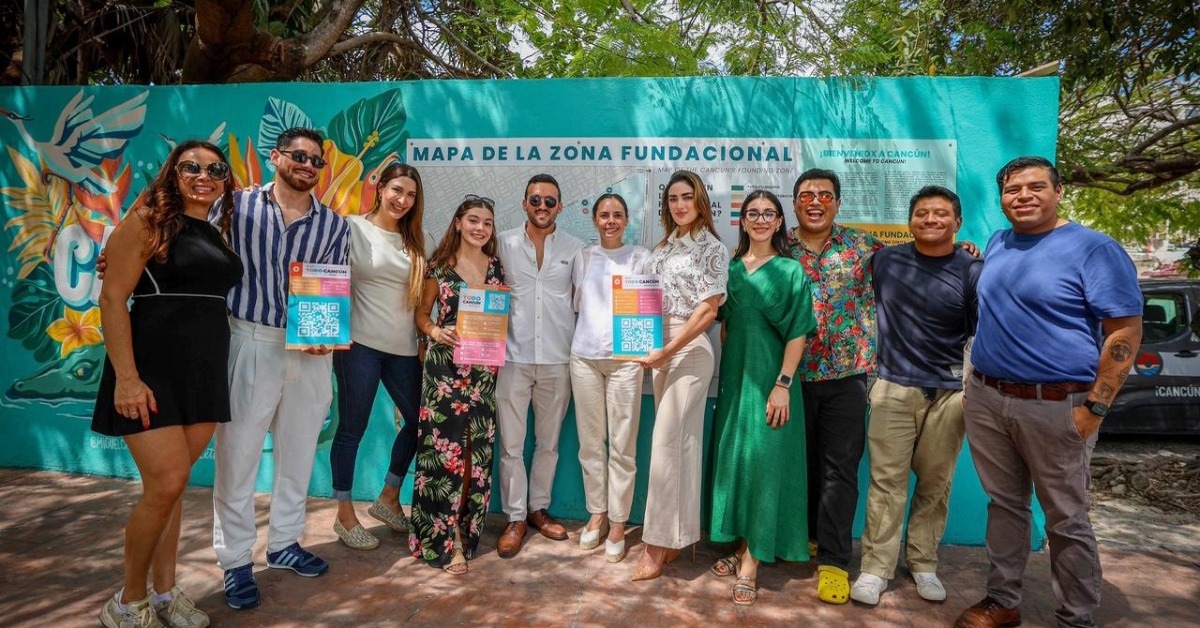
Cancún Mayor Ana Paty Peralta has launched Todo Cancún, a platform that brings together tourism, culture, sports, and district information. The municipal government announced the launch on March 27. Tourism coverage widened on March 30. Users can open it in a phone browser or scan a QR code beside the Palacio Municipal on Avenida Nader.
At one level, the tool is simple. It works as a centralized directory. At another level, it reflects a larger municipal goal. Officials want residents and visitors to move through Cancún with fewer information gaps. They also want more attention on places outside the hotel zone.
That matters because local information is often scattered. Event calendars sit in one place. Sports schedules sit in another. Route ideas and public services are somewhere else. For a visitor who knows only the beaches, downtown can remain invisible. Todo Cancún is meant to reduce that problem.
What visitors will find inside
The platform is divided into four sections: Cultura, Deportes, Distrito Cancún, and Turismo. The culture section gathers event listings and location details for venues across the city. The sports section points users to upcoming games and main venues, including Estadio Andrés Quintana Roo, Estadio Cancún 86, the Poliforum, and Estadio Beto Ávila.
The tourism section goes beyond a basic list of attractions. It includes themed routes to help users explore the city more organized. Those routes include Ruta del Sabor, Ruta ZOFU, Ruta Cultura, Ruta Parques, and Ruta Luxury. The Distrito Cancún section adds a map of the Zona Fundacional, plus dining, bar, café, and lodging options in the older center.
For international readers, one practical detail stands out. The site also places emergency contacts in the same space. Users can find Guest Assist, police, Cruz Roja, and consular contact information without leaving the platform. It is also a web page, not a separate app. That lowers the barrier for short-term visitors.
Why the downtown angle matters
The launch makes more sense inside a longer city strategy. In April 2025, the municipal government presented a digital and physical revitalization plan for the Zona Fundacional. That effort included QR codes, business promotion, and a wider push to draw people back into the first part of the city.
Seen that way, Todo Cancún does not look like a standalone tourism product. It looks like the public-facing continuation of that work. The city is trying to make the older urban core easier to find and easier to understand for people who stay focused on beaches, resorts, and the hotel strip.
The timing also fits a broader identity push. Cancún will mark its 56th anniversary on April 20, with public events scheduled throughout the month. A guide that ties together venues, routes, and downtown reference points supports that message. It presents the city as more than a shoreline destination.
More than a soft tourism story
This is still a soft city story. It does not carry the weight of a security, economy, or infrastructure decision. Yet it says something real about how Cancún wants to present itself. The message is that the city should be read as more than a resort destination. It has public venues, neighborhood businesses, sports spaces, and a civic center that the government wants visitors to notice.
That may also matter for residents. A single municipal page can make it easier to track what is happening across the city, especially when information is spread across several offices. For downtown businesses, inclusion in route maps and district information could also help visibility, especially if the city keeps the portal current.
The larger test will come after the launch. Directories are easy to publish. They are harder to maintain. Event schedules change quickly. Business information changes, too. If the city updates Todo Cancún often, it could become a useful reference for visitors and locals alike. If updates slow, it may become one more official page that people stop checking.
For now, the platform is a small but clear sign of where the municipal government wants the conversation to go. It wants Cancún to be understood not only through its beaches, but through its downtown, its public spaces, and its everyday city life.