Quintana Roo’s nautical sector says it plans to invest up to MXN 2 million in new safety and protection works near El Meco, a marine area off northern Cancún that has become increasingly important for tours and water activities.
The announcement came from the Asociación de Náuticos de Quintana Roo, which said the spending would go toward a buoy system, clearer limits for swimming areas, and related infrastructure meant to protect both people in the water and nearby reef zones.
The group also said the project would be backed by environmental impact studies and ecological analysis. That matters because the proposal is not only about moving buoys into the sea. It is also about showing that new tourism infrastructure can operate within environmental rules in a sensitive coastal area.
Part of the plan is tied to legal certainty in El Meco. The association said it wants a trust structure to support the concession framework in the area. In simple terms, the industry is trying to reduce uncertainty over how the site is managed while also making the case that better order in the water can improve safety and reduce damage.
Why this area matters
The story is bigger than a single investment figure. El Meco sits in a part of the Cancún coast where tourism growth, reef protection, and public access meet. The area is north of the hotel zone and is linked to marine tourism, drawing swimmers, snorkelers, and boat operators.
According to the sector’s own figures, El Meco handled about 1.3 million visitors in 2025, with roughly 650,000 participating in water activities. That helps explain why operators are pushing for a more defined layout in the water. The same reports say the site’s visitor flow has continued to grow, which raises pressure on both safety systems and natural habitat.
That pressure is not only commercial. It is physical. When swimmers, boats, and reef zones overlap without clear limits, the risk of collisions, confusion, and environmental harm increases. A marked bathing area and a better buoy network can help separate uses that otherwise compete in the same narrow stretch of water.
The association also pointed to reported incidents in the area during 2025. That gives the safety argument more weight. Even without a major policy change, local authorities and operators have a clear reason to reduce preventable risks before the next busy tourism cycle.
Why buoy systems matter
A buoy system may sound minor, but in reef areas, it can shape how people move, where boats stop, and which parts of the marine environment absorb the most pressure. In practice, buoying can do several jobs at once. It can mark a safe space for swimmers, keep traffic away from fragile zones, and give operators clearer rules in crowded waters.
That approach is not new in this part of Quintana Roo. The official management program for Parque Nacional Costa Occidental de Isla Mujeres, Punta Cancún y Punta Nizuc calls for buoying and signage to help define zones, support user safety, and protect reef communities. The same official management document describes the park’s coral formations as part of the Mesoamerican Reef, one of the most important reef systems in the western Atlantic.
That broader context matters for readers who follow coastal development in Quintana Roo. This is not just a tourism-services issue. It is also a conservation issue in a protected marine corridor that supports recreation, marine life, and shoreline stability.
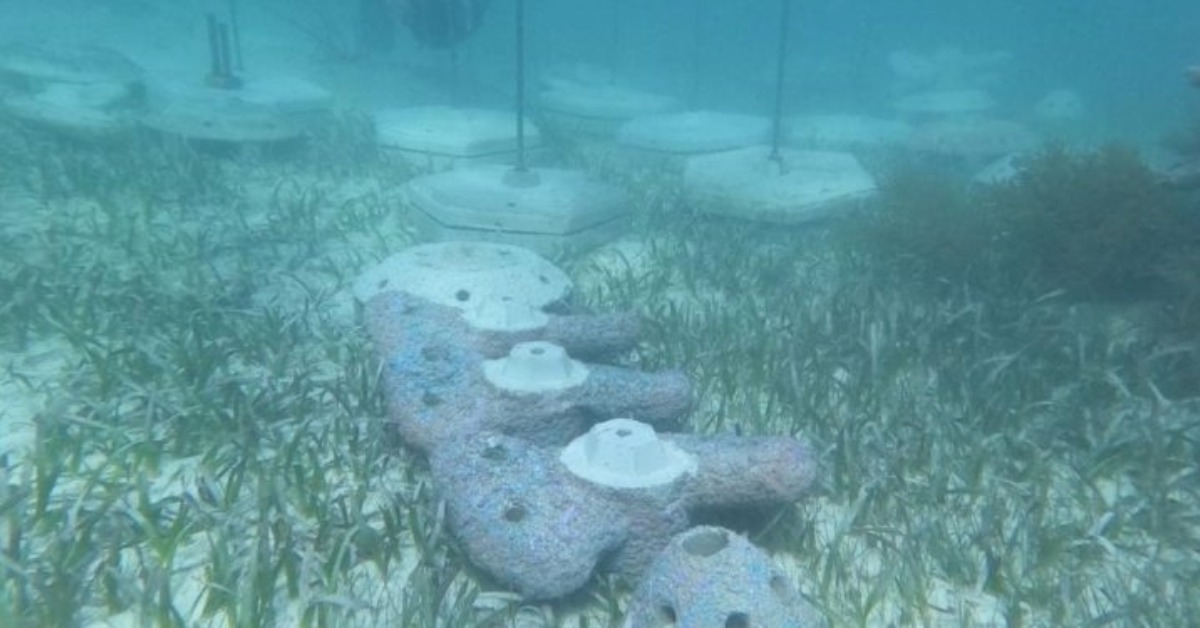
The latest announcement also fits a wider pattern. In March, officials and operators said they were reviewing proposals for additional artificial reef structures within the same national park area. The stated goal was to expand places suitable for snorkeling and diving while reducing pressure on heavily used reef sites. In other words, the region is not only trying to manage existing demand. It is also trying to spread that demand more intelligently.
What the plan could mean for residents and visitors
For residents, especially foreigners who live in Cancún or spend long periods in the area, the most practical effect would be a more defined and easier-to-read coastal space. Clearer swim limits and more visible maritime markers can make a day in the water feel less improvised.
For visitors, the message is similar. The association used the announcement to remind tourists to hire certified boats and ask basic safety questions before booking. That includes checking whether a vessel has valid registration, visible safety gear, and a trained crew. In a market crowded with marine excursions, that advice is not incidental. It is part of the industry’s attempt to distinguish regulated operators from informal ones.
For the tourism sector, the plan is also economic. Safer operations can reduce risk, protect reputation, and support premium pricing in a destination that depends heavily on marine recreation. If clearer rules also reduce reef damage, operators have another incentive to support the changes. The reef is not separate from the business model. It is one of its foundations.
Still, the key test will be execution. Announcing investment is easier than placing infrastructure in the right spots, finishing the required studies, and keeping the system maintained over time. The strongest version of this plan would create a safer swimming environment without turning reef protection into a secondary concern.
That is why the environmental review side of the proposal deserves as much attention as the money itself. If the project moves ahead, the real question will be whether safety, tourism access, and reef protection can all be improved at once. In Quintana Roo, that balance is often promised. It is harder to prove.