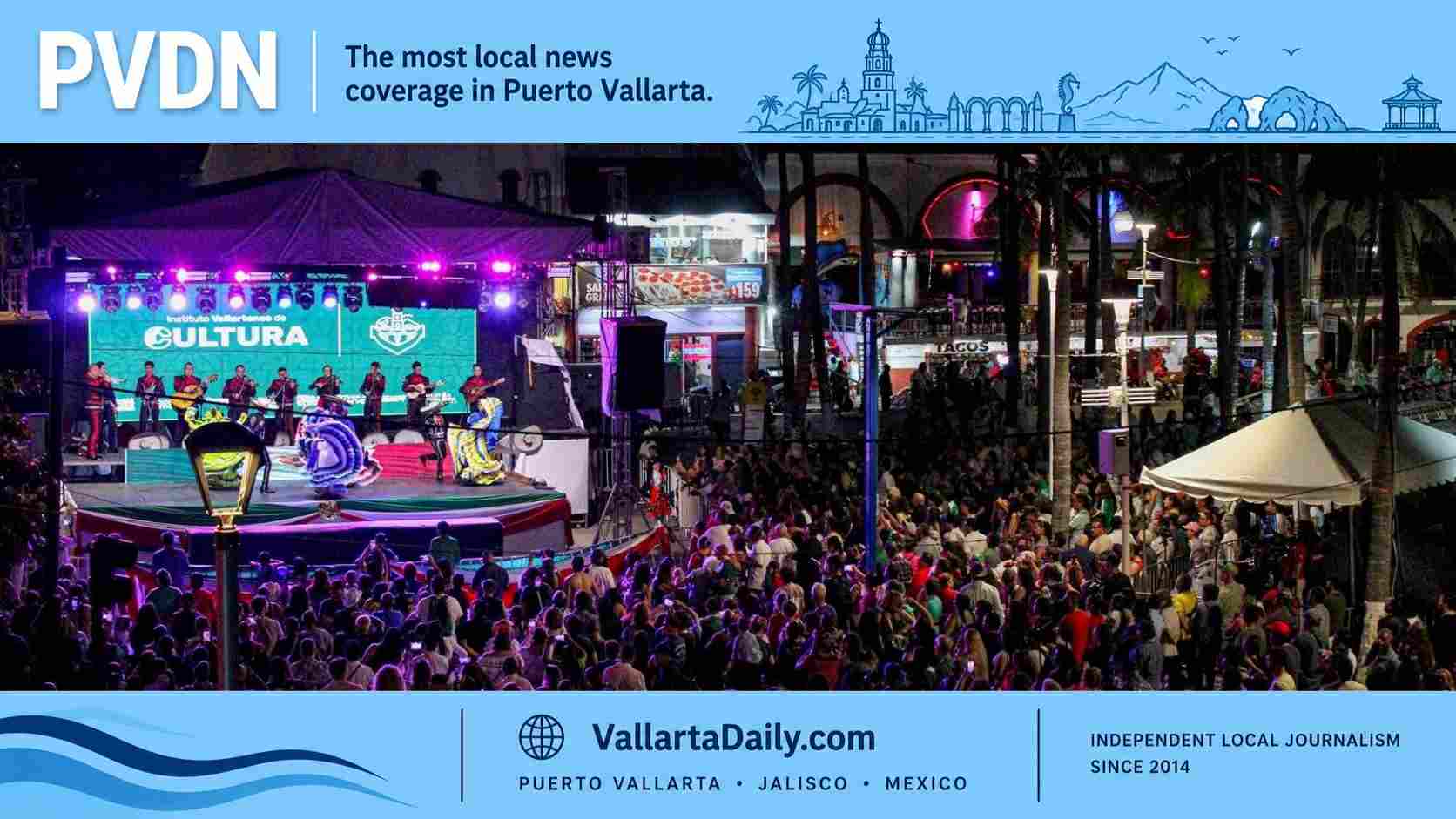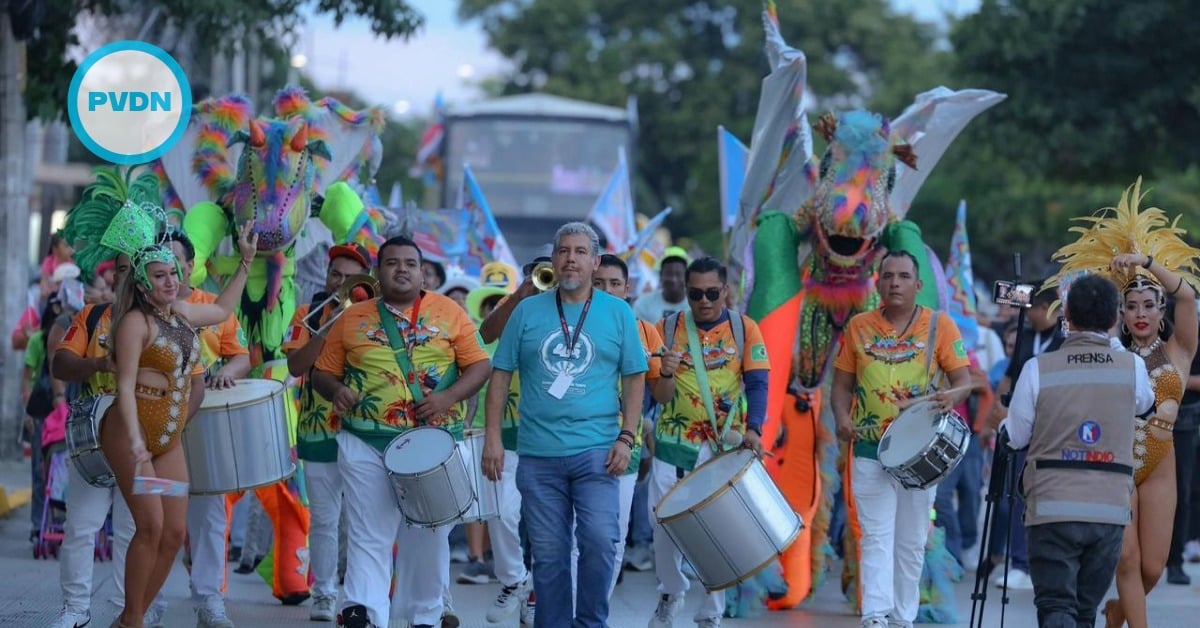
The 45th edition of Mexico’s flagship theater festival opened in Cancún with an ovation and a promise. The National Theater Showcase is in town through Nov. 15, a first for the city, bringing 29 productions, 87 public activities, and more than 500 artists to stages and plazas from downtown to the Hotel Zone. The curtain went up at Teatro de la Ciudad with a civic welcome and a parade performance that walked the audience to the door, a nod to the festival’s goal this year: take theater to the public, not the other way around.
Organizers say the program blends marquee companies with local work and street interventions. The official program lays out a dense calendar across the 10-day run, with shows, talks, workshops, a book fair, late-night conversations, and an international networking forum. The festival’s curatorial note centers on youth, migration, multicultural identity, and indigenous roots—subjects that feel current in a destination built by newcomers.
National Theater Showcase
What does that look like on the ground? Eleven venues, public and private, host the festival—from Teatro 8 de Octubre and Teatro Álamos to Parque de las Palapas, Malecón Tajamar, and Puerto Juárez. That mix matters. It pulls regulars into new spaces and puts casual audiences in the path of performance. The venue map alone tells a story: a city better known for beach clubs and resorts can still stage a civic, walkable cultural experience—if the stages are spread where people already are.
Numbers help, but access matters more. Many events are free, and the city is emphasizing open plazas and schools alongside black boxes. Festival leaders have been blunt about their bet: first-time theatergoers. That’s not just a slogan. The programming favors approachable forms, outdoor pieces, family titles, and discussions that keep artists in the lobby and public squares after the lights come up. That’s how you build a habit, not just a headline week.
Opening night doubled as a statement of intent from local and federal cultural authorities. The city called the showcase “a great cultural party” and listed the 16 participating states—from Baja California to Yucatán—underscoring that this is a national snapshot, not a traveling roadshow built in Mexico City and dropped on a beach. Officials also confirmed the scale: 29 works across 11 venues with more than 500 artists on deck. Those are big-city numbers, now attached to a young municipality still defining its cultural identity.
The Showcase arrives at a turning point for Cancún’s arts community. For years, local creators have been candid about limited infrastructure and thin budgets competing with the tourism economy. Earlier this year, a widely read piece chronicled how independent spaces have hustled to survive and keep programming for children and queer audiences alive—often with little steady support. A national festival won’t fix that overnight, but 10 days of full houses and visible public value can shift what leaders see as possible.
What success would mean next
Success here is simple to measure and hard to fake. Do people come back on night two and night five? Do parents bring kids to a second show? Do the plazas feel safe and fun during evening performances? If the answer is yes, Cancún strengthens a case for regular state and municipal investment that outlasts any festival. The Showcase has a built-in follow-through plan—critical debate sessions, a book fair, professional workshops, and youth programs designed to keep relationships alive after the curtain falls. That’s where a one-time event becomes a bridge.
Behind the scenes, artists talk about the chance to cross-pollinate. The festival’s theme—migration and multicultural identity—fits Cancún’s story, where locals and arrivals have built a city in five fast decades. Touring companies get new audiences and new questions. Local ensembles get a national spotlight and contacts they can call in the spring. Presenters see what lands outside their home states. Those small, human exchanges are the quiet engine of any showcase; they pay off months later when a touring slot opens or a collaboration emerges.
For residents, the pitch is even simpler: it’s close, cheap, and often free. If you’ve never tried contemporary theater, this week is your best chance. Start with a plaza piece, bring friends, and stay for the post-show talk. The festival is betting you’ll want another seat tomorrow. If they’re right, Cancún won’t just host a national event. It will earn one.