More than 60 hidden cenotes, caves, lagoons, and reported Maya remains still sit around Cancún’s jungle and urban edges.
A local environmental explorer says many of those places are under pressure from urban growth, dumping, and neglect. The warning comes as Cancún continues to expand beyond the hotel zone into areas where water, caves, and traces of old settlements remain close to the surface.
Angelluz Carmona Mejía has lived in Cancún for nine years and has documented the sites as part of a preservation project. He recently pointed to Laguna El Pedregal, near Región 531, as one example of the city’s overlooked natural network.
He said the lagoon has shallow sections but also drops to nearly 20 meters. That poses a risk to anyone entering without knowing the site. His broader warning concerns losing places tied to Cancún’s water system and older cultural landscape.
Pressure from a city built over water
The figure of more than 60 sites comes from Carmona’s own fieldwork. It is not from a newly released public inventory. Even so, his warning fits a problem the city has already acknowledged through its urban cenote cleanup work.
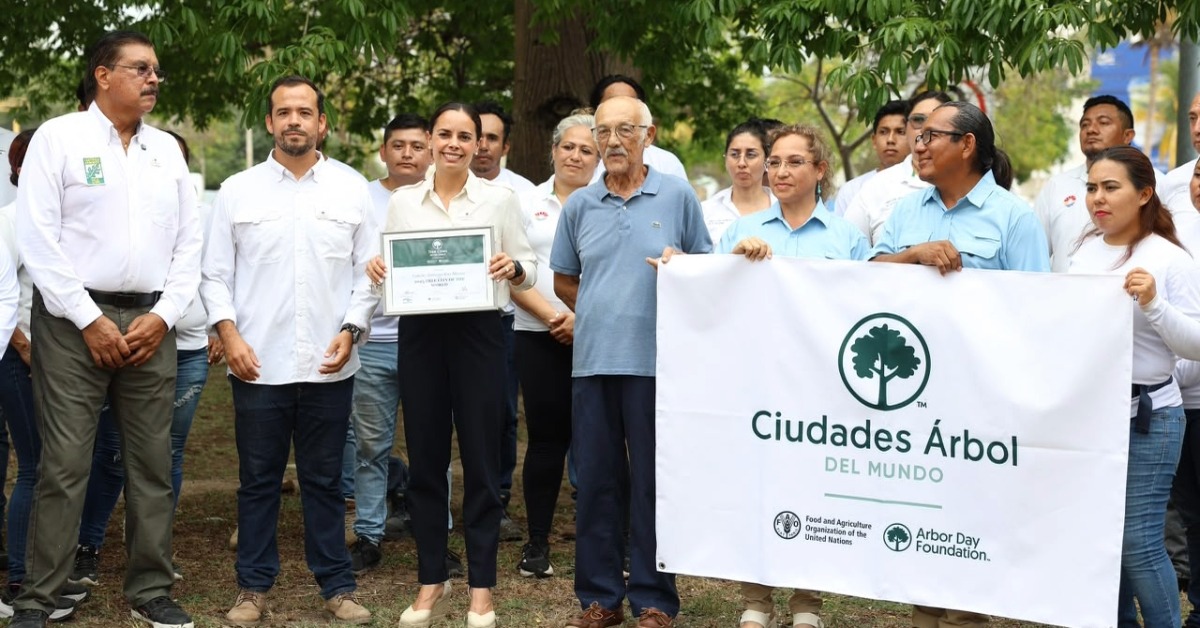
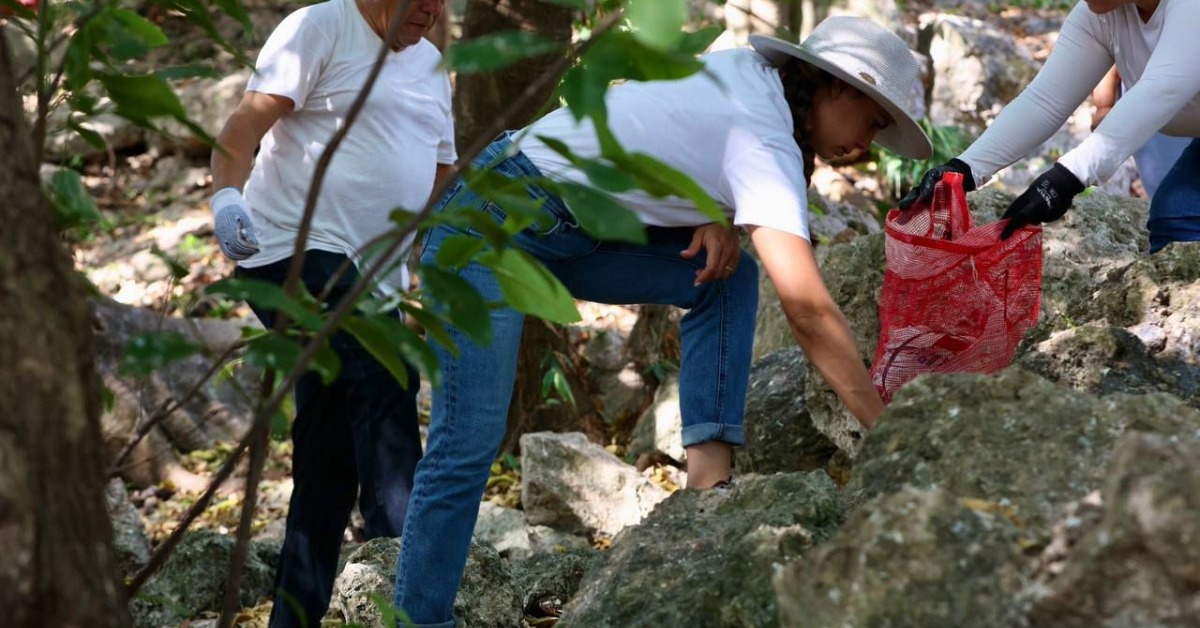
In January 2025, Cancún officials said they had identified 11 cenotes as among the most affected by waste. They were also working to locate 25 more that needed attention. The city said 25 cleanup days in 2024 removed 33.1 tons of waste from 20 cenotes, with help from more than 1,100 volunteers.
Mayor Ana Paty Peralta said at the time, “My priority and my commitment is for Cancún to be known not only for its natural and tourism beauty, but also for leading in sustainability and protection of our planet.”
A 2021 urban cenote report prepared with the city’s ecology office described a formal effort to recover cenotes in critical condition. The problems included contamination, poor visual conditions, and infection risks. Several sites listed in the report had solid waste, low water quality, missing signs, or weak perimeter protection.
Maya history outside the postcard route
Cancún’s best-known archaeological sites are El Rey, El Meco and San Miguelito, along with the Museo Maya de Cancún. Those sites are open, managed, and visible.
Carmona’s account points to something different. He says there are lesser-known remains and old structures scattered throughout Cancún and nearby areas. Some are close to caves and cenotes.
His claim has not been matched in the article to a new INAH announcement. The locations should be treated as reported findings rather than newly confirmed public sites.
Cave systems and cenotes have also drawn attention for older human and cultural evidence. An earlier cave find near the Maya Train route showed how underground systems can hold history as well as water.
A warning, not a new tourist route
The hidden sites should not be read as an invitation to search for unmarked cenotes or ruins. Many are hard to reach, unsafe, on private land, or environmentally fragile.
Unmarked cenotes can have sudden depth changes, unstable edges, poor water quality, and no rescue access. Archaeological objects or structures should be left untouched and reported through the proper authorities.
Carmona’s warning adds another layer to Cancún’s growth debate. The city is not only expanding around beaches, hotels, and roads. In some neighborhoods, it is expanding over places that still hold water, wildlife, and traces of older settlements.