Quintana Roo came roaring back over the Día de Muertos long weekend. The state tallied 332,000 visitors and more than $300 million in spending, while Cancún’s Janal Pixán celebrations drew stadium-sized crowds and its airport handled the lion’s share of foreign arrivals. Behind the headline numbers is a picture of a region leaning into culture to keep shoulder season strong—and a market that still pivots on airlift. Here’s what the data says, and what it means next.
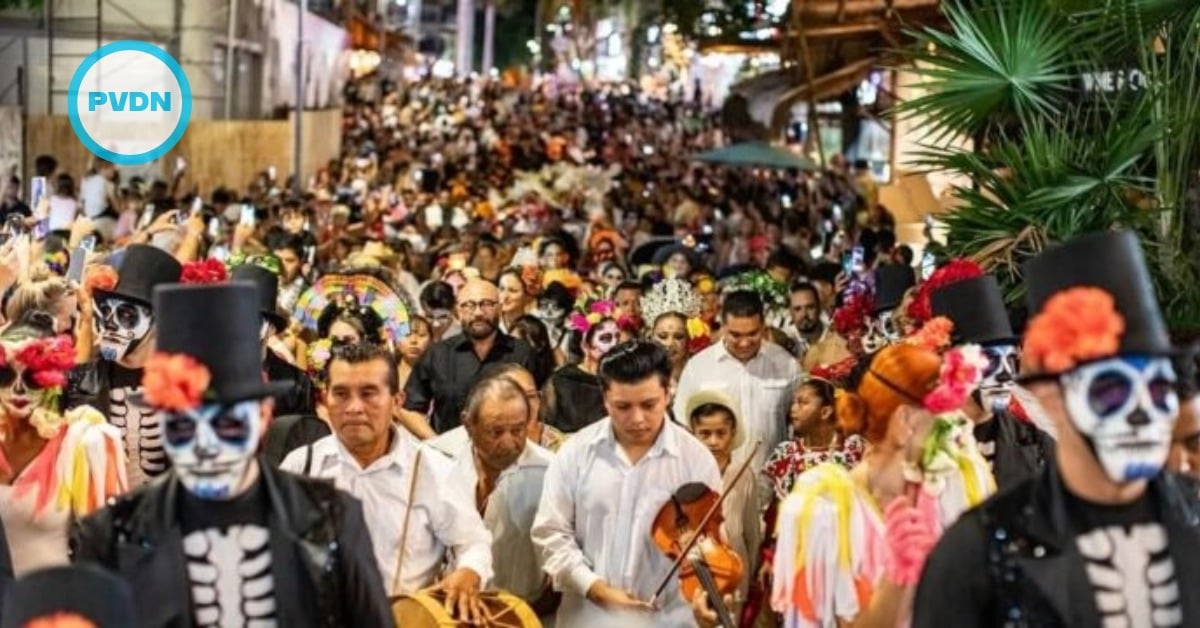
Quintana Roo closed the Día de Muertos long weekend with momentum: authorities projected more than 332,000 visitors and an estimated $307 million in spending across the state, with occupancy averaging around 71 percent. The flagship draw was Cancún’s Janal Pixán festivities, which local officials say drew roughly 70,000 attendees over three days, a sign that culture-led programming can fill the gap between the summer and winter high seasons. These figures were first reported by regional outlets based on state tourism data, including Noticaribe, which detailed the visitor count and revenue taken from the “puente.”
Caribe Mexicano tourism
The weekend also underscored Cancún’s outsized role in international air travel. Local reports indicate its airport accounted for about 61 percent of Mexico’s inbound international arrivals during the holiday stretch—consistent with its yearlong dominance and the heavy U.S. market share. Independent coverage echoed the same breakdown and noted statewide hotel occupancy a touch above 70 percent, in line with what hoteliers saw in Playa del Carmen and the northern corridor.
What happened on the ground backs up the airlift story. On Sunday, Nov. 2, airport operators flagged 461 scheduled flight operations—a brisk pace for shoulder season that helped pack beaches, cenotes, and city plazas. While the airport has ridden some turbulence this fall as international traffic cooled from last year’s highs, it remains Mexico’s top gateway by volume and the workhorse for the state’s tourism machine.
What the numbers mean for winter
Taken together, the weekend suggests a healthy runway into peak season. Cultural programming like Janal Pixán didn’t just fill plazas; it spread demand beyond the beach and into restaurants, museums, and neighborhood events, helping small businesses feel the bump. Nationwide data shows Mexico continues to post strong international flows in 2025, even as growth moderates. That macro backdrop matters: a thriving domestic network and steady U.S. demand set Quintana Roo up to defend market share as winter flights ramp, despite mixed month-to-month airport readings. Caribe Mexicano tourism is still the country’s pace-setter, and the holiday weekend’s mix of culture and connectivity shows why.