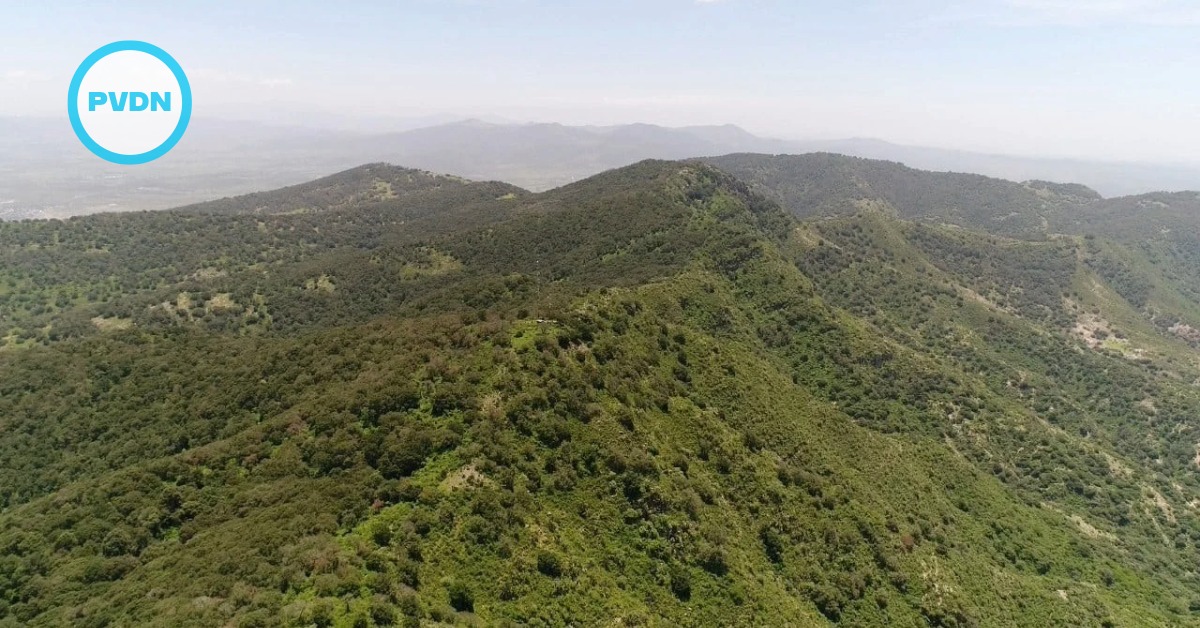
Cerro de los Picachos anchors water capture and wildlife near San Miguel de Allende, sparking new calls to protect the mountain.
International Mountain Day falls each year on December 11. In 2025, the global focus is water security, tied to the fast loss of ice and snow in mountain regions. San Miguel de Allende does not have glaciers overhead. Still, the message lands close to home. People here know that what happens on the ridgelines shapes what comes out of taps, springs, and wells.
That is why Cerro de los Picachos keeps coming up in local conversations this week. Specialists and longtime residents describe the mountain as more than scenery. They talk about recharge, shade, soil, and the thin green belt that holds life together when the dry season bites. They also talk about identity. A place can feel famous for its streets and churches, yet still depend on a quiet, rugged backdrop it rarely protects with the same energy.
Cerro de los Picachos
Cerro de los Picachos is tied to a larger volcanic landscape known as Palo Huérfano. Academic field work describes a crater shaped like a horseshoe, dropping close to 400 meters. The same research places the mountain’s elevation range roughly between 1,922 and 2,765 meters above sea level. That spread matters because it creates stacked habitats, even across a short drive from the city.
Lower slopes can hold thorny, dryland plants built for heat and scarce rain. Higher up, conditions change. Oak forest becomes a key feature, along with deeper soils in sheltered areas. Local ecological descriptions compare the mountain to a sponge. Rain that falls on healthy slopes does not just rush away. It can soak into the ground, slow down erosion, and help feed small watersheds that support both rural communities and downstream storage.
Biodiversity is not an abstract claim here. Species records for the area include amphibians, reptiles, birds, and mammals that need connected habitat to move, feed, and breed. Even when people do not know the species names, they notice what disappears first: fewer birdsong mornings, fewer signs of small mammals, fewer native plants on disturbed slopes.
Pressure on the landscape is not new. Research notes a pattern that shows up across Mexico’s fast-growing towns: land conversion and fragmentation. As roads extend, and as ranching, farming, and real estate push outward, patches of native vegetation get boxed in. Once that happens, fires spread differently, invasive plants take hold more easily, and wildlife corridors get cut.
The risk is not only to wildlife. It is also to water reliability. In places that rely on seasonal rains and groundwater, losing vegetated cover on high ground can change runoff patterns. Storm water arrives faster, dirtier, and with more force. Over time, that can mean less infiltration and more erosion, which is the opposite of what a thirsty region needs.
When protection lags behind the pride
People in San Miguel de Allende often speak about Cerro de los Picachos with pride. The harder part is turning pride into rules, budgets, and enforcement that last longer than a news cycle. Mexico has several paths for conservation, from federal protected natural areas to state and local designations. Each comes with tradeoffs, but the basic idea is the same: define boundaries, set allowed uses, and commit to long-term management.
There has been organized work around this mountain for years. Conservation advocates tied to a local botanical garden have pushed for formal protection since the 1990s. A state-level ecology agency began steps in the 2010s to safeguard a wide zone that includes the Picachos range and nearby water bodies. The work was described as both scientific and social, because any lasting plan has to include rural communities, landowners, and the people who use the mountain for hiking, grazing, and daily life.
This week’s attention, sparked by International Mountain Day, is less about one ceremony and more about an overdue question. If Cerro de los Picachos is central to water, biodiversity, and local identity, then the status quo is not neutral. It is a choice. The mountain will keep doing its job for as long as the slopes can hold soil, trees, and shade. The real issue is whether the town will do its part before the next dry year makes the costs feel personal.